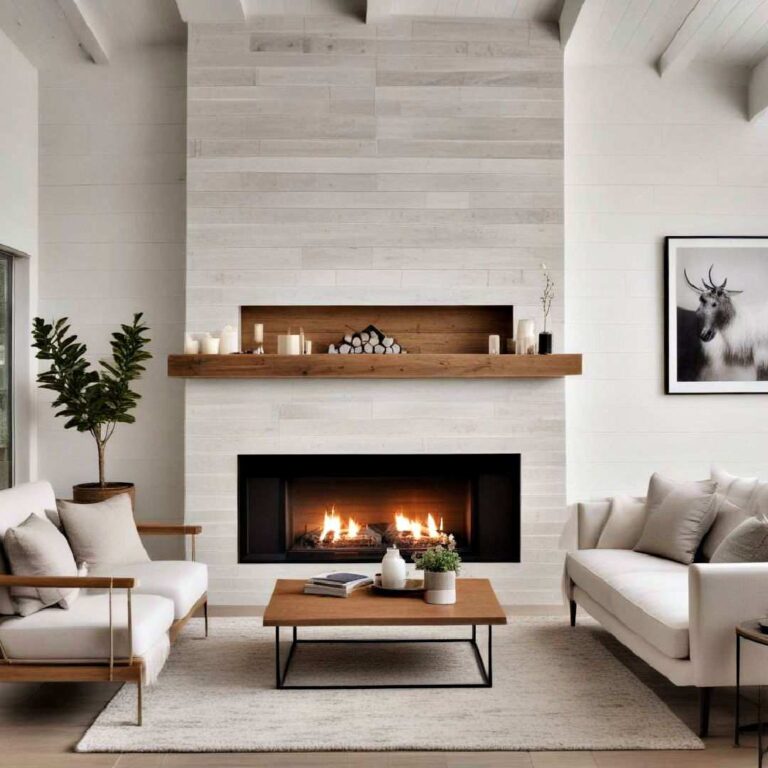

1. Vintage Revival: A New Beginning
Step back into the 1940s, an era of inventive interiors that harmoniously blended practicality with style. As innovative ideas from the war front made their way into the home, people got creative with materials and design, yielding spaces that were both aesthetically pleasing and functional. From the emergence of sleek Mid-Century Modern furniture to the enduring allure of soft pastel hues, the 1940s offer a treasure trove of interior design concepts that continue to captivate. Whether you’re drawn to bold geometric patterns or the soft textures of classic chintz fabrics, these 20 iconic 1940s interior design ideas provide endless opportunities to transform your home into a nostalgic yet timeless haven.
2. Pioneering Mid-Century Modern Bedrooms
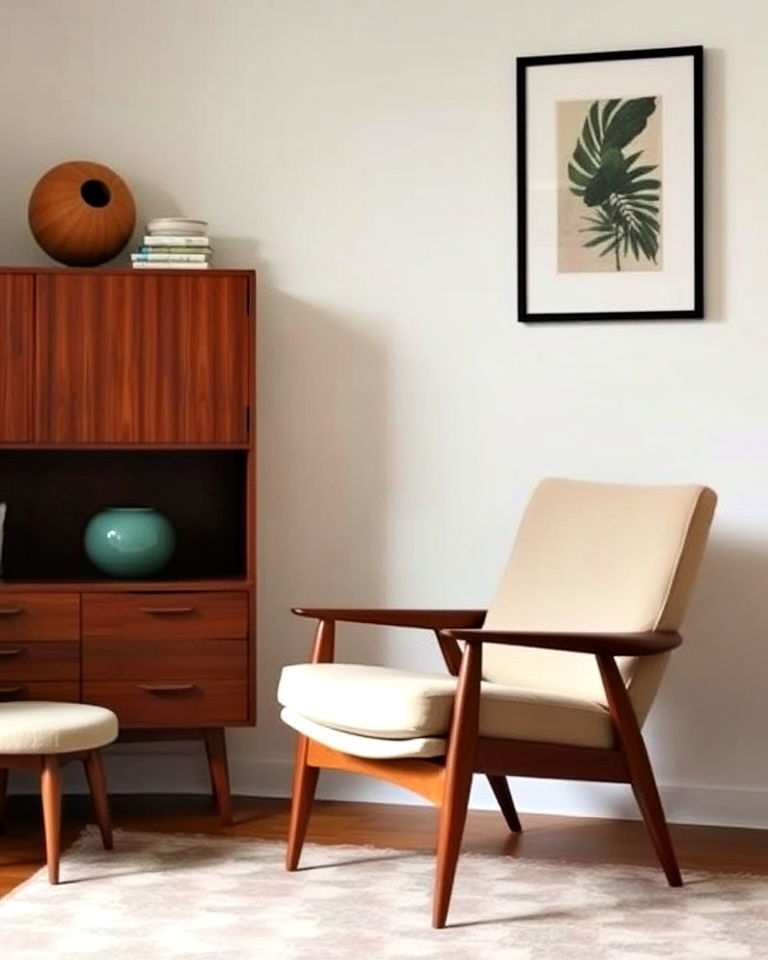
The 1940s ushered in a new era of Mid-Century Modern bedroom design, characterized by clean lines and functional forms. Furniture from this era boasted simple shapes, tapered legs, and minimal ornamentation, making it adaptable to various room styles. Pieces crafted from teak, walnut, or oak were popular, adding warmth and a natural ambiance to interiors. Incorporating a vintage mid-century chair or sideboard can instantly infuse a room with a timeless yet vintage vibe, creating a unique space that exudes character.
3. Geometric Patterns Redefine Interior Design
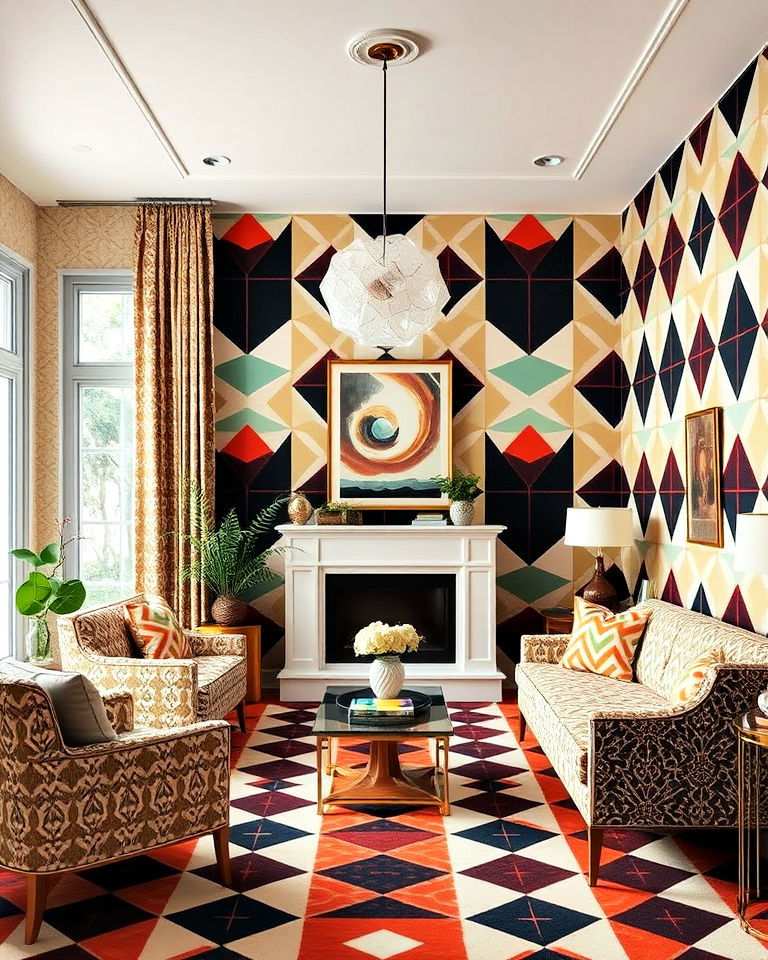
In the 1940s, geometric patterns became a prominent design choice, particularly in wallpaper and fabrics. These bold patterns, often featuring angular shapes and repeating motifs, added an energetic and creative touch to rooms. By incorporating geometric accent walls or patterned textiles for curtains or upholstery, you can bring a sense of movement and playfulness to any interior, transforming the space into a visually striking haven.
4. Whimsical Floral Prints and Fabrics
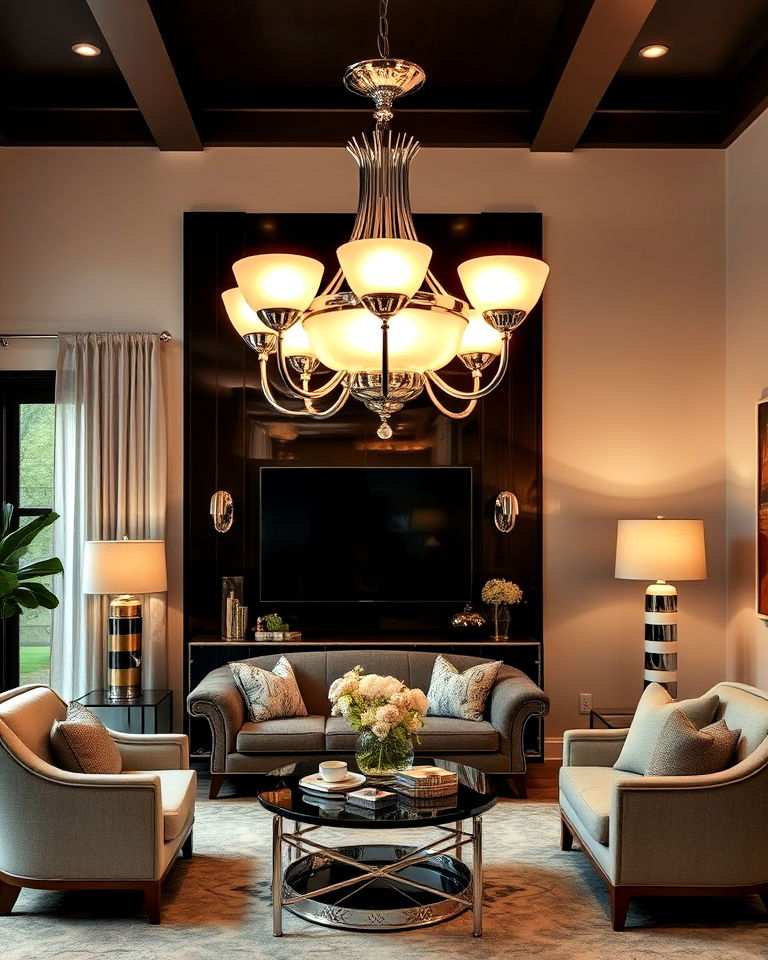
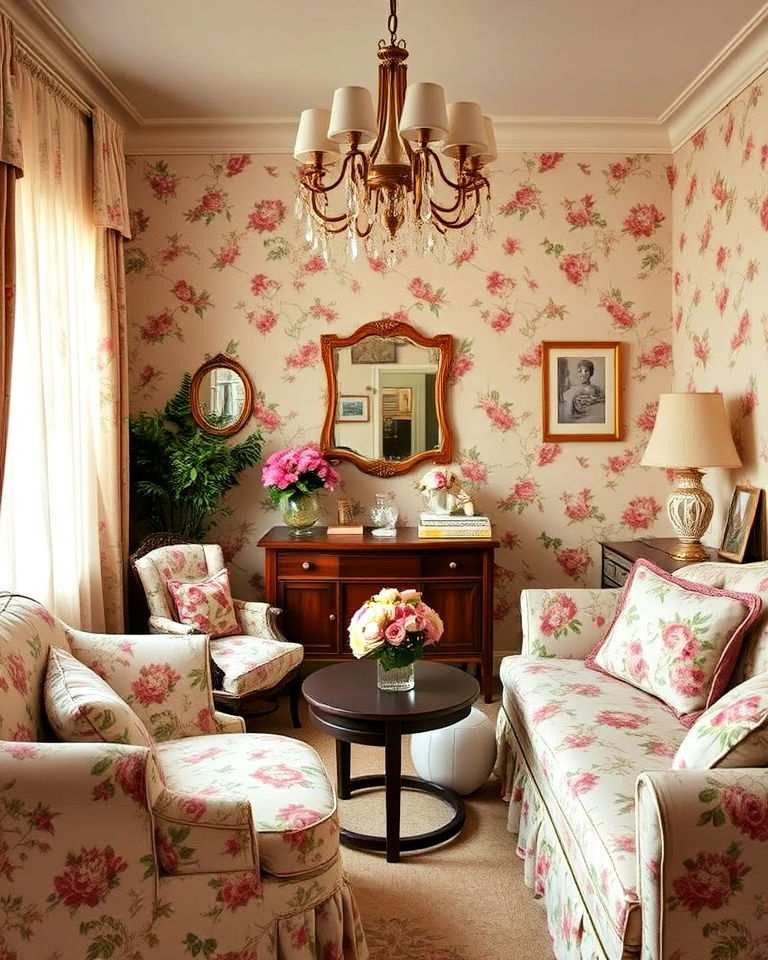
Discover 1940s interior design ideas that blend classic charm and functional elegance for a timeless home aesthetic. Florals were a staple of 1940s interior design, adding softness and warmth to rooms. These delicate patterns, often in muted tones, were found on curtains, sofas, and bedding. Floral upholstery helps create a cozy and nostalgic atmosphere while adding a touch of femininity. By combining these prints with solid, neutral tones, you can strike a balance, ensuring the florals don’t overwhelm the space, and instead contribute to a harmonious and inviting design.
5. Revival of Vintage Elegance
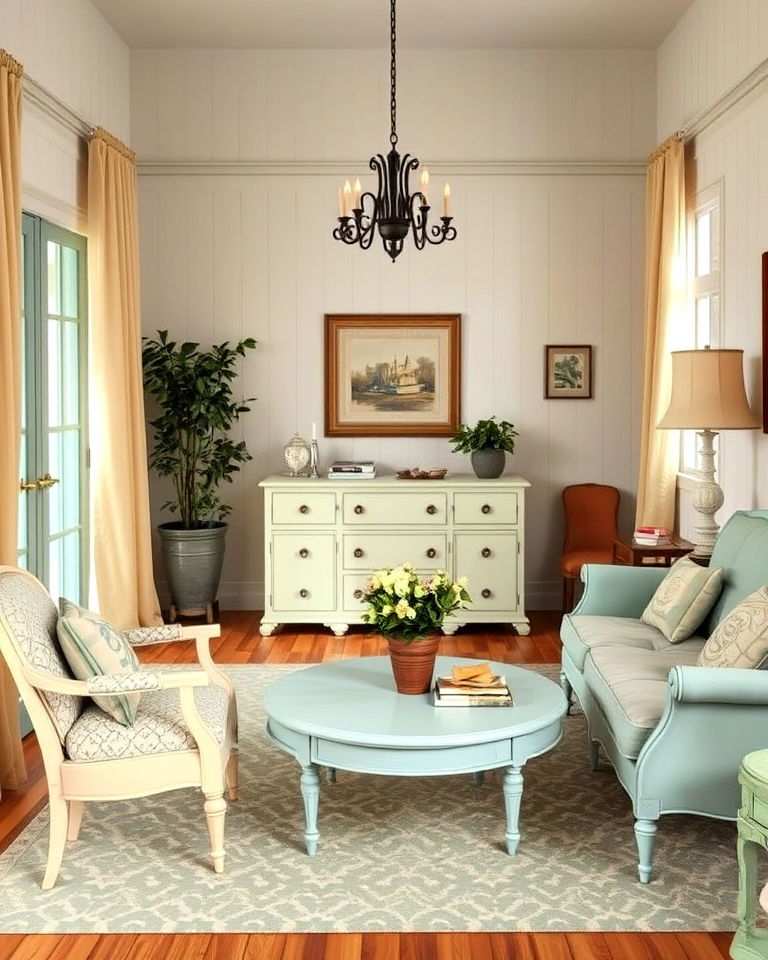
In the 1940s, painted wooden furniture emerged as a practical yet sophisticated design element. The palette of soft greens, creams, and blues breathed new life into worn furniture pieces, infusing them with a personal and homey charm. By incorporating vintage-painted furniture into modern interiors, homeowners can seamlessly blend a vintage aesthetic with subtle color nuances, creating a visually engaging space.
6. Timeless Flooring Trends
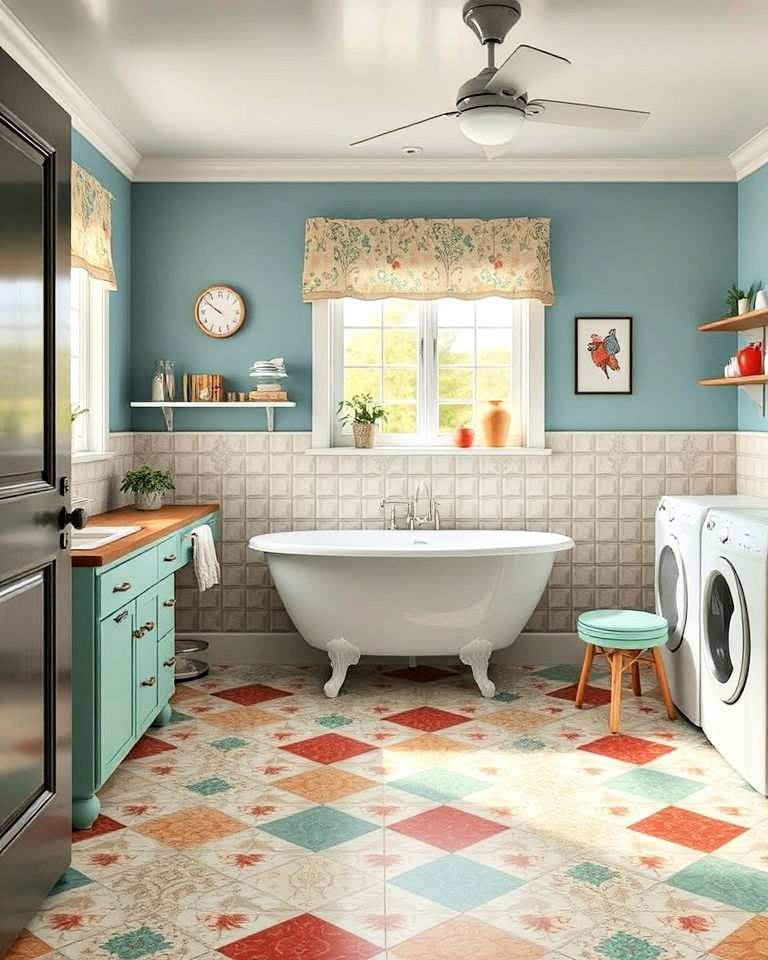
Linoleum’s durability and affordability made it a staple in 1940s homes, boasting a wide array of bold colors and patterns that often emulated stone or tile. Its ease of maintenance and resilience rendered it an ideal choice for kitchens and bathrooms. Bringing vintage-inspired linoleum into a retro kitchen or laundry room adds a nostalgic yet practical touch, elevating the design element with a sense of history and character.
7. Efficient Storage Solutions
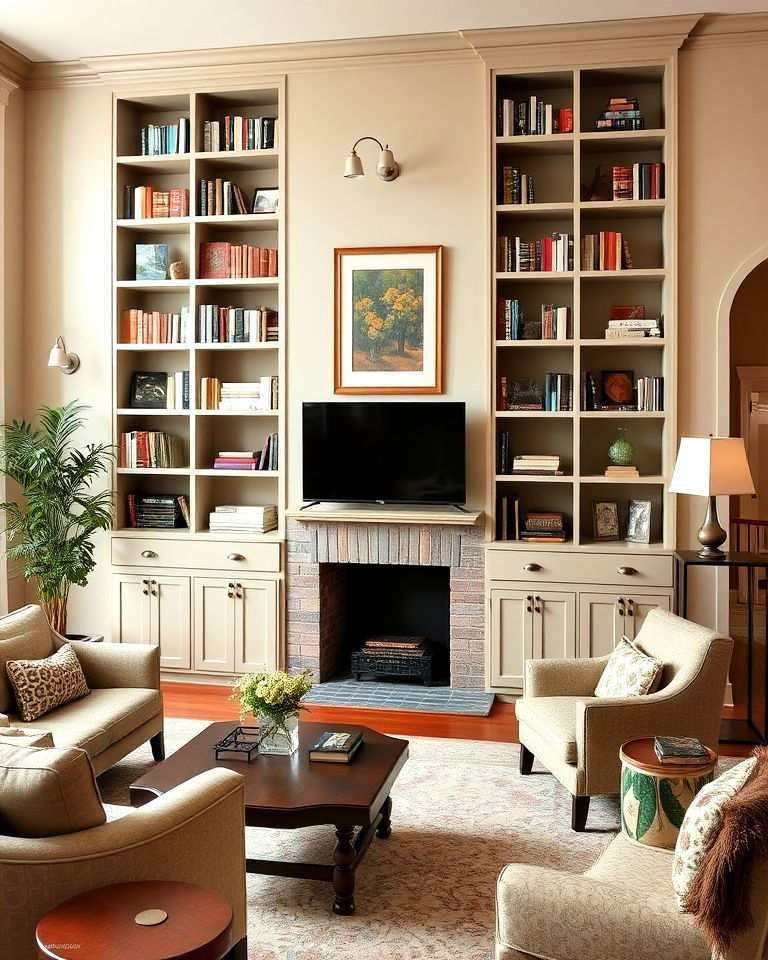
Delving into 1940s interior design reveals clever storage solutions that continue to inspire today. Built-in shelving was a masterful way to maximize space, as witnessed in living rooms and dining areas. Blending seamlessly into the architecture, these shelves offered storage without the bulk of freestanding furniture. By incorporating built-in bookshelves or display units, homeowners can create a streamlined, organized look that perfectly showcases books or collectibles while saving precious floor space.
8. Enduring Pattern Repeats
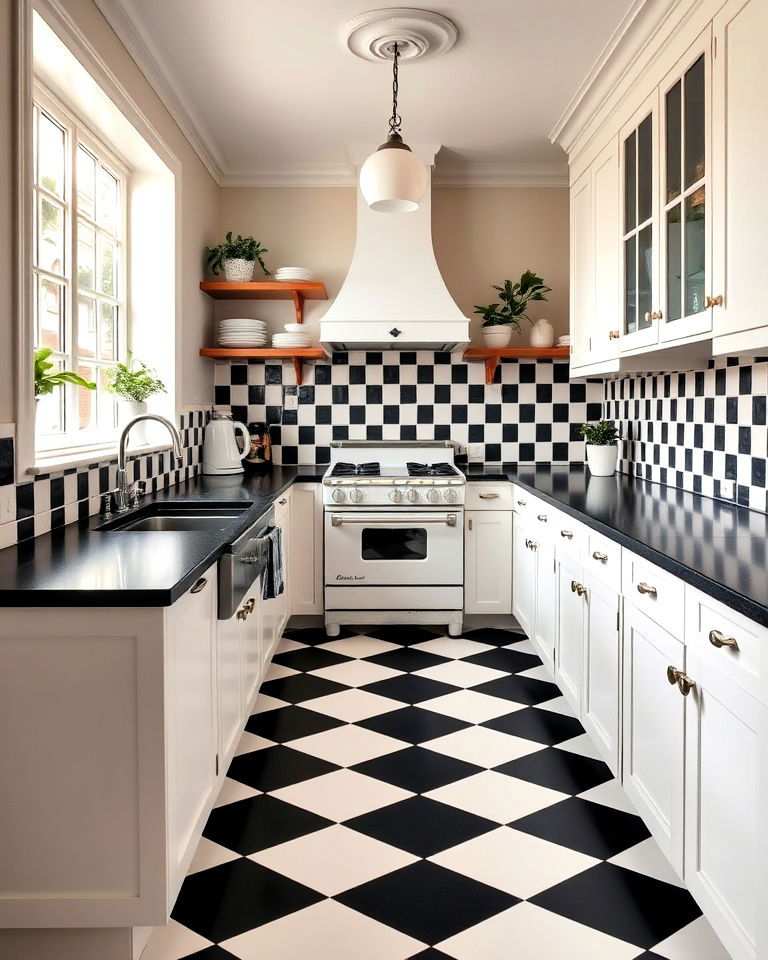
Checkerboard tile patterns, particularly in black and white, were a defining design element in 1940s kitchens and bathrooms. This bold, high-contrast look imbued spaces with a sense of fun and order, while also introducing a touch of sophistication. By reintroducing checkerboard tile today – whether on floors or backsplashes – homeowners can create a timeless and dynamic space that effortlessly balances vintage charm with modernity.
9. Softening Interior Spaces
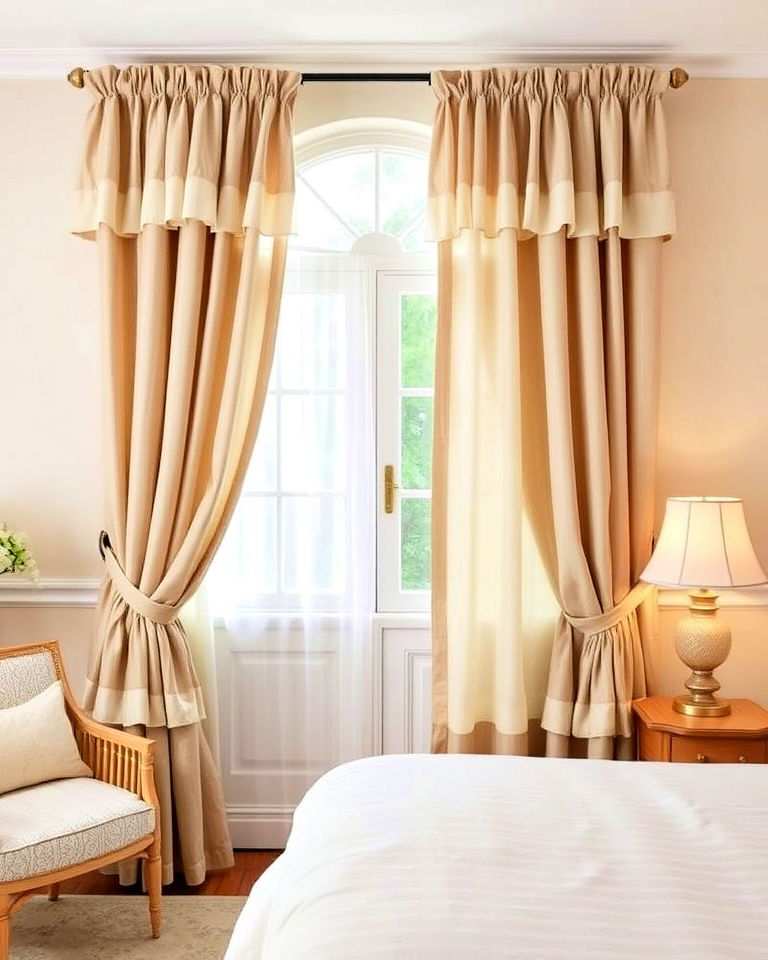
In the 1940s, window treatments often featured ruffles and layers, adding a delicate touch of elegance and softness to interiors. These lacy curtains, crafted from lightweight fabrics like cotton or lace, created a breezy, romantic ambiance in living rooms and bedrooms. To achieve a modern twist, consider subtly ruffled curtains in neutral tones, which can lend a vintage yet sophisticated charm to any space, adding a touch of understated elegance.
10. Industrial Touches
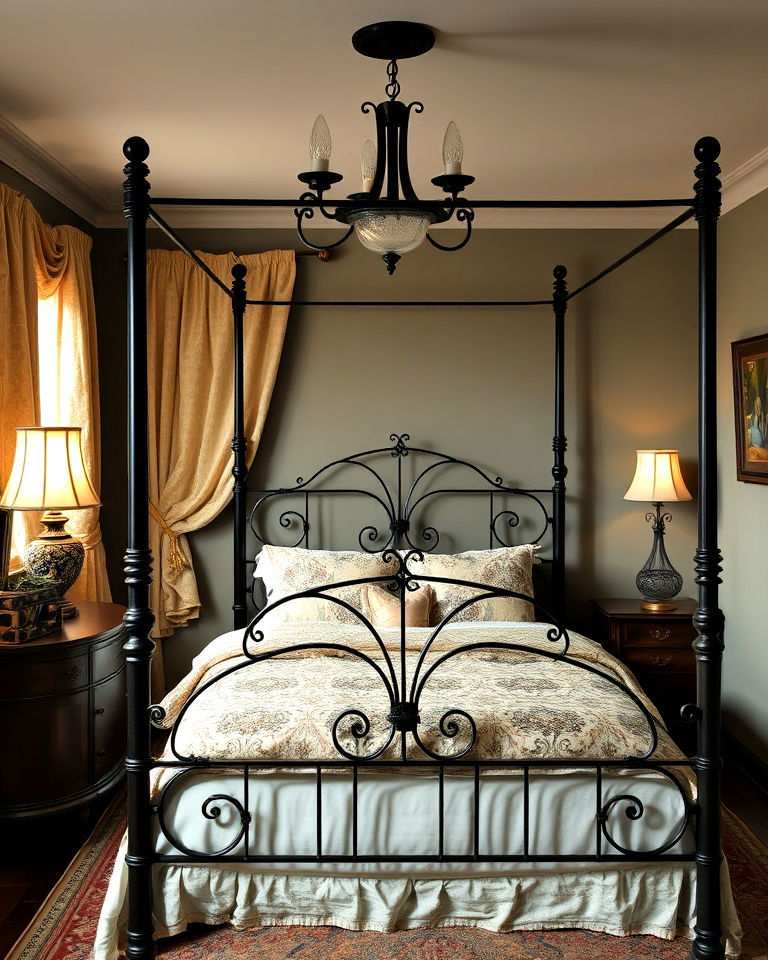
Wrought iron played a significant role in 1940s interior design, particularly for decorative accents like bed frames, curtain rods, and furniture details. Its sturdy yet intricate designs showcased craftsmanship and added an element of industrial chic to homes. Today, incorporating wrought iron accents can bring an industrial yet vintage touch to a room, offering a durable and stylish way to enhance interiors with a retro flair, and infusing spaces with a sense of history and industrial sophistication.
11. Reviving Vintage Elegance: Chintz Fabrics
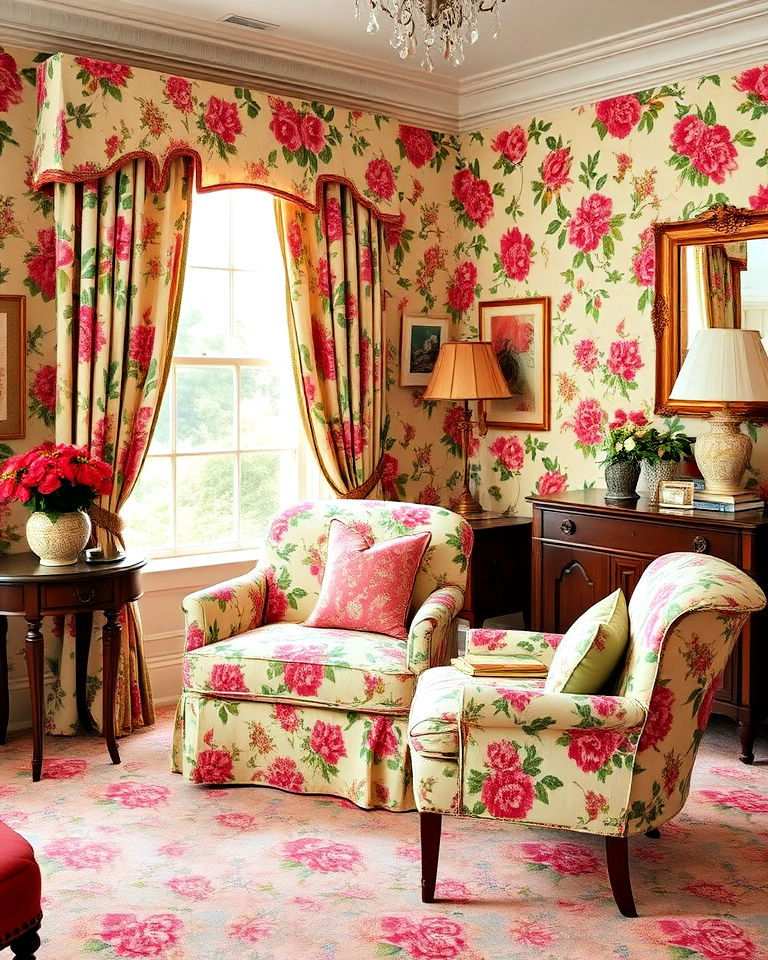
In modern interior design, chintz fabrics have experienced a resurgence in popularity, thanks to their distinctively glossy finish and vibrant floral patterns. Once a staple in 1940s homes, where it was used for upholstery, curtains, and slipcovers, chintz brings a charming and lively atmosphere to contemporary rooms. Whether through throw pillows or a statement chair, incorporating chintz fabrics can instantly infuse a space with a vintage, cozy feel.
12. Elegant Silhouettes: Skirted Furniture
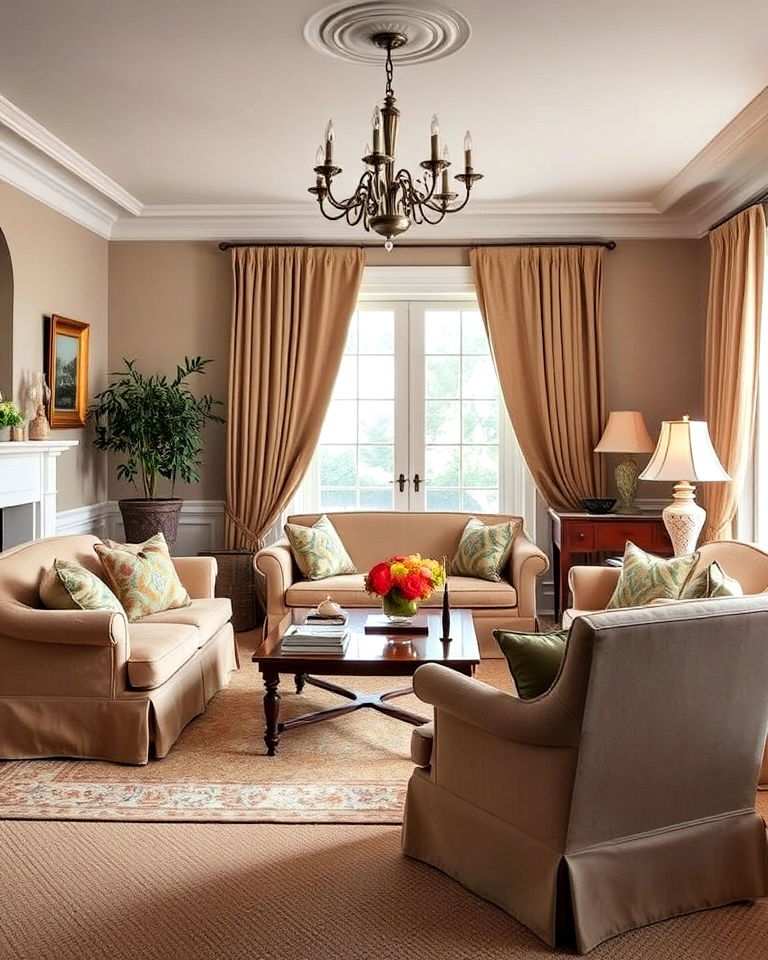
1940s interior design often featured skirted furniture, including plush sofas and armchairs. The fabric skirting not only concealed the legs but also added a touch of formality and sophistication to the room. To recreate this look in modern homes, consider opting for furniture with tailored, elegant skirts. This timeless style will lend a classic and refined appearance to living spaces while subtly softening the overall design.
13. Soft Hues of the Past: Pastel Color Palettes
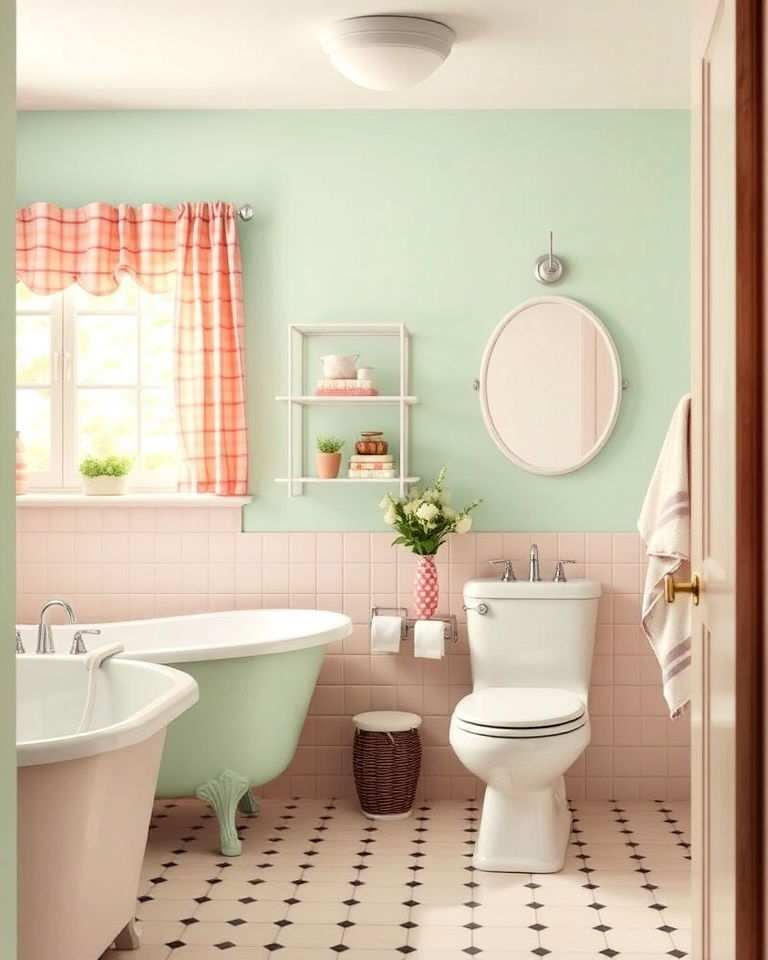
During the 1940s, soft pastel color schemes gained widespread popularity, with hues like mint green, soft pink, and powder blue finding their way into kitchens, bedrooms, and bathrooms. These delicate colors created a soothing and lighthearted atmosphere. By incorporating pastels into contemporary interiors either through wall paint or accent pieces, homeowners can create a subtle, calming retro vibe that won’t overpower the room.
14. Tropical Getaway: Reviving 1940s Tropical Prints
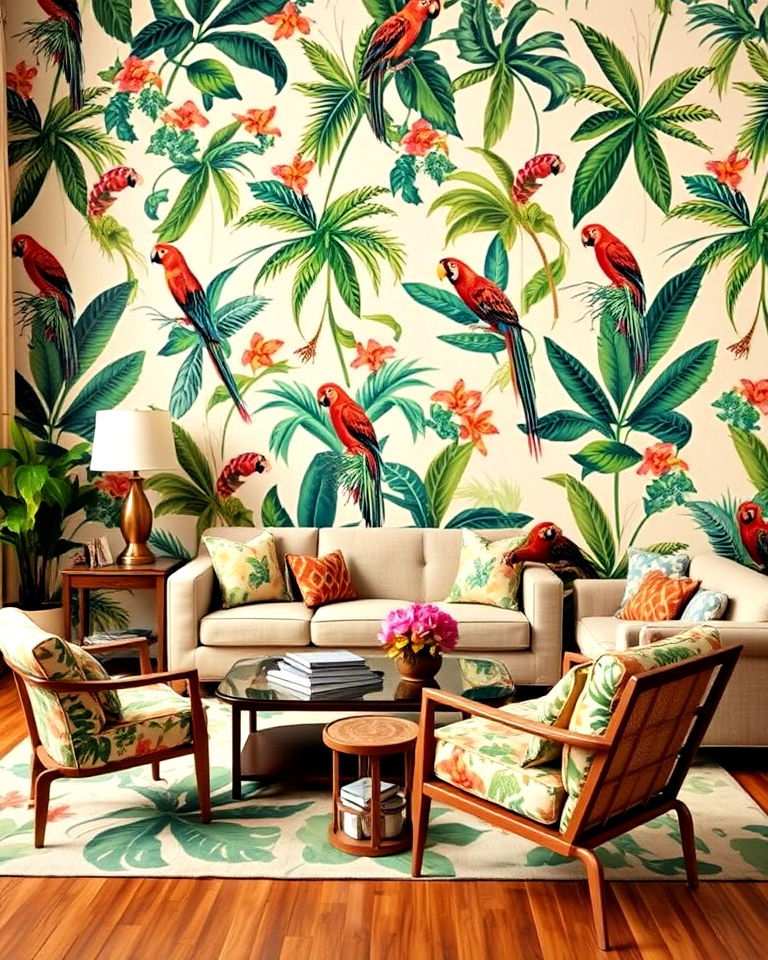
By combining mid-century aesthetics with warm, inviting elements, homeowners can create a cohesive theme inspired by 1940s home interiors. Tropical motifs, often found on wallpapers and fabrics, were a fun and exotic trend in 1940s design. To extend the tropical vibe beyond living areas, consider incorporating tropical bathroom ideas that echo the prints of the time. Featuring lush palm leaves, parrots, and vibrant florals, these prints reflect a post-war desire for escapism. Adding tropical prints in a modern home—whether through wallpaper or accent pillows—can inject a playful, bold statement that livens up the space with a vintage yet adventurous feel.
15. Cozy Retreats: Cottage-Style Kitchens
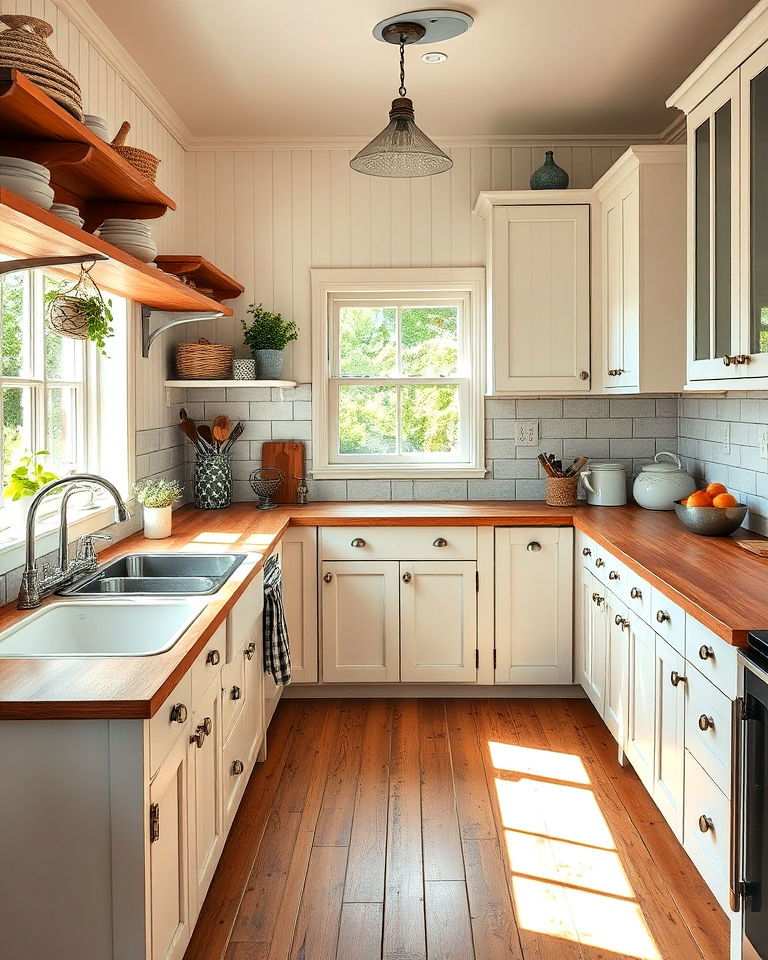
Cottage-style kitchens, with their rustic charm and homey feel, were a staple in 1940s homes. Characterized by open shelving, painted cabinets, and vintage hardware, these kitchens exuded a warm and inviting atmosphere. To bring that same cozy, cottage aesthetic into a modern kitchen, consider incorporating elements like whitewashed cabinets, ceramic sinks, and wooden countertops. By doing so, homeowners can create a practical yet charming space that feels like a warm retreat.
16. Lightweight Luxuries: Bamboo and Rattan Furniture
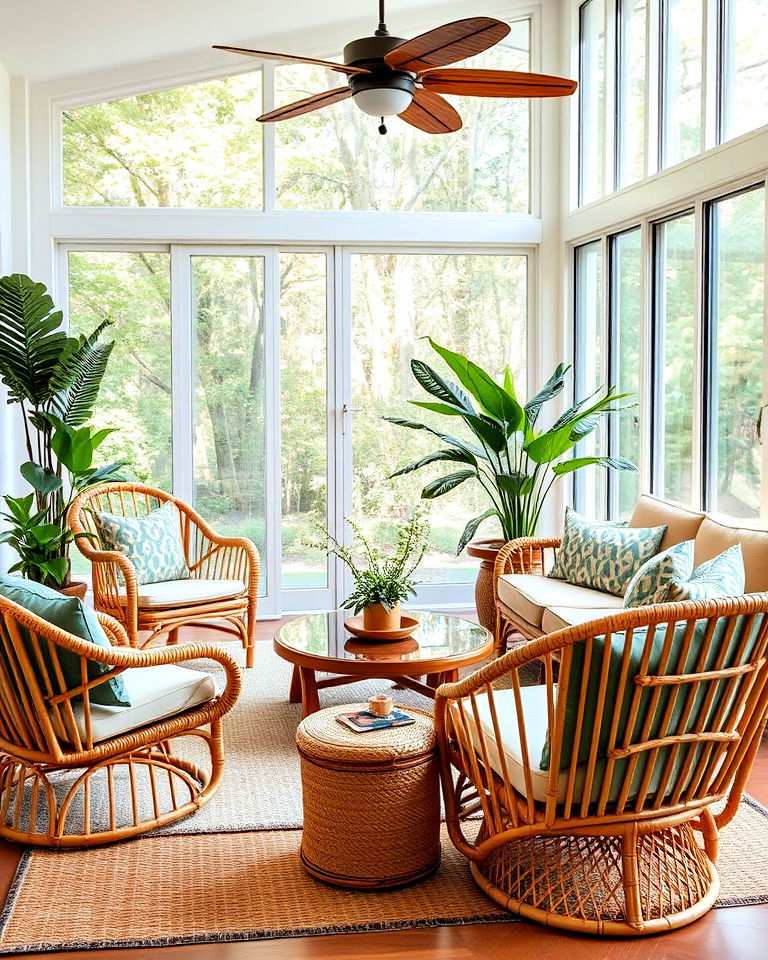
In the 1940s, bamboo and rattan furniture gained popularity as lightweight and natural alternatives for indoor and outdoor spaces. These materials added a relaxed, breezy feel to interiors, making them a staple in many 1940s homes. By incorporating rattan chairs or bamboo coffee tables into a contemporary living room or sunroom, homeowners can create a casual, vintage touch that blends beautifully with both modern and bohemian styles.
17. Texture and Depth: Paneled Walls
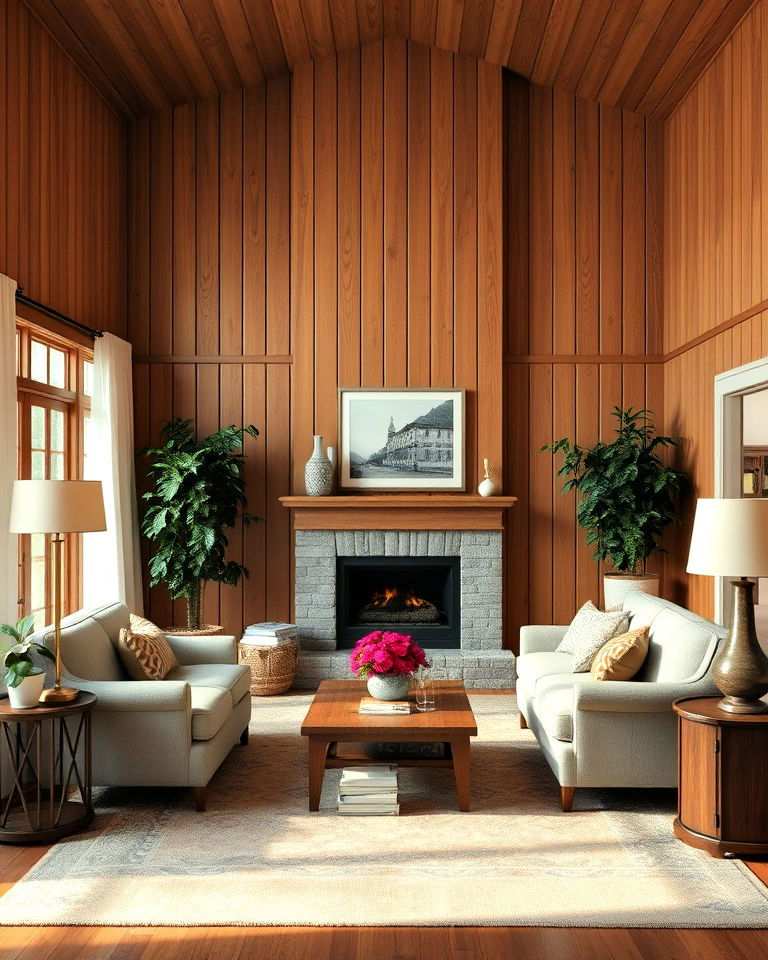
Wood paneling was a common feature in 1940s interiors, particularly in dens or living rooms. This rich, warm texture created a sense of coziness and sophistication, instantly elevating the room. While traditional wood paneling might feel outdated, modern interpretations using painted panels or shiplap can give a room texture and depth, adding character without overwhelming the space. By incorporating paneled walls into a contemporary design, homeowners can create a space that feels both timeless and modern.
18. Mirrored Furniture
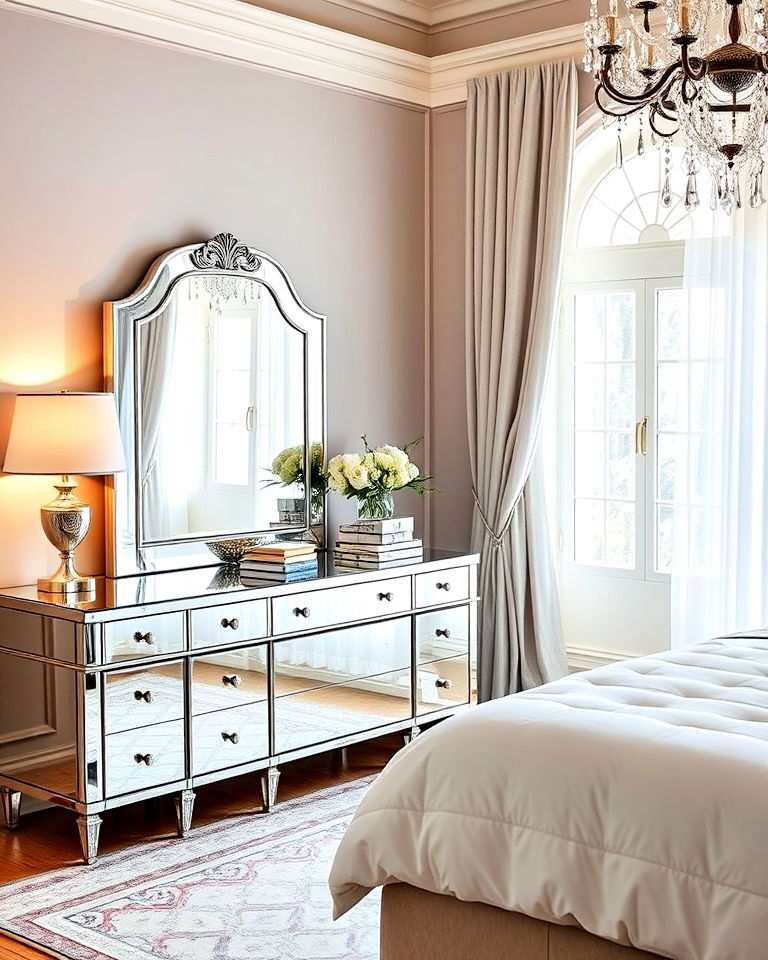
The allure of mirrored furniture has been a staple in interior design for decades, with its roots dating back to the 1940s. Characterized by its glamorous and elegant appeal, mirrored surfaces became a go-to choice for vanities and cabinets during this era. When incorporated into modern interiors, such as a bedside table or console, mirrored furniture effortlessly brings an art deco-inspired flair, injecting brightness and a touch of sophistication into any space.
19. Subway Tile Backsplashes
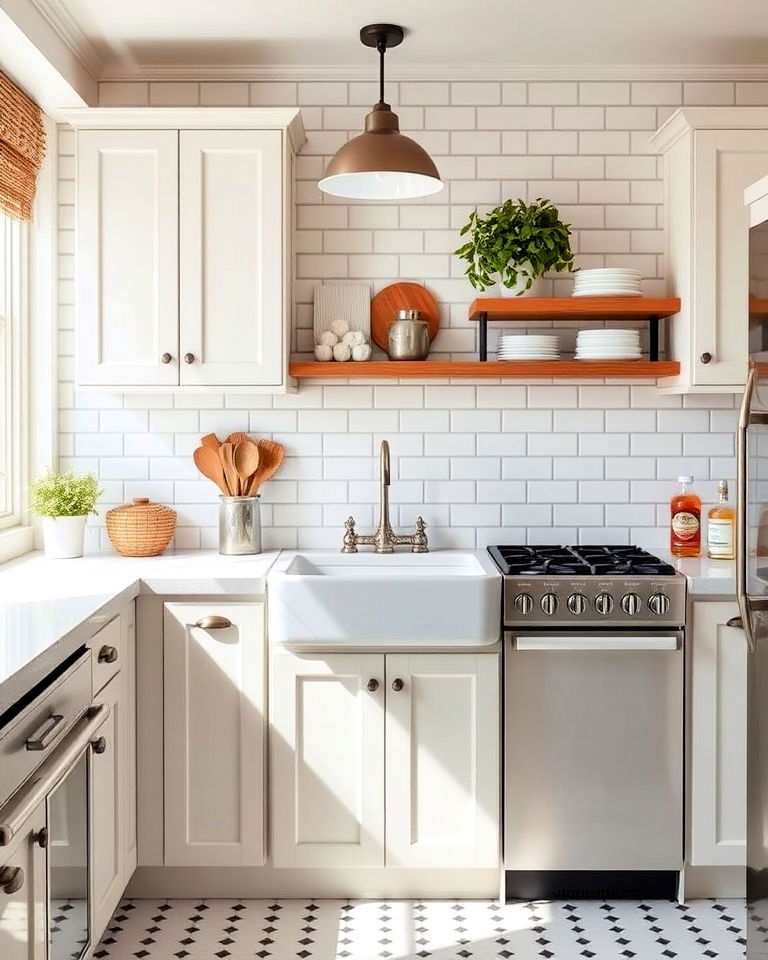
Drawing inspiration from the 1940s, homeowners can seamlessly merge retro style with contemporary comfort in their living spaces. One of the most iconic design elements from this era is the use of white subway tiles for kitchen and bathroom backsplashes. Not only were these tiles a popular choice due to their simplicity and durability, but they also created a clean, timeless look that continues to resonate in modern design. By incorporating subway tiles into today’s kitchens or bathrooms, homeowners can achieve a classic, low-maintenance backdrop that effortlessly blends with both vintage and contemporary elements.
20. Vintage Appliances
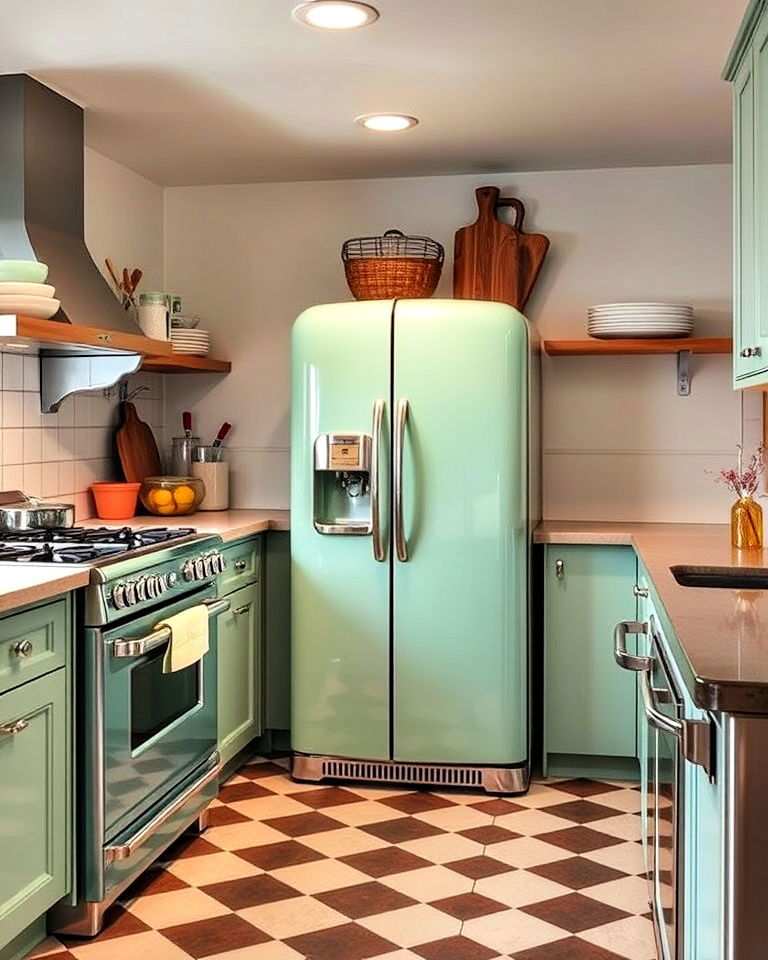
In the post-war era of the 1940s, appliances underwent a transformation, evolving from purely functional objects to stylish and sophisticated additions to the kitchen. Characterized by rounded edges and chrome finishes, these vintage-inspired appliances not only served a purpose but also added a touch of glamour to the space. Today, incorporating retro-inspired appliances, such as a colorful refrigerator or a classic range, brings a sense of nostalgia to the kitchen while maintaining modern efficiency. These standout features seamlessly blend the old with the new, creating a charming and practical space that is both functional and aesthetically pleasing.

Meet Tomas Clayton, a seasoned plant gardener who has been passionate about horticulture since he was a child. Tomas John developed a love for the natural world and a strong appreciation for the beauty of plants while growing up on a farm.