
1. Florals in Full Bloom
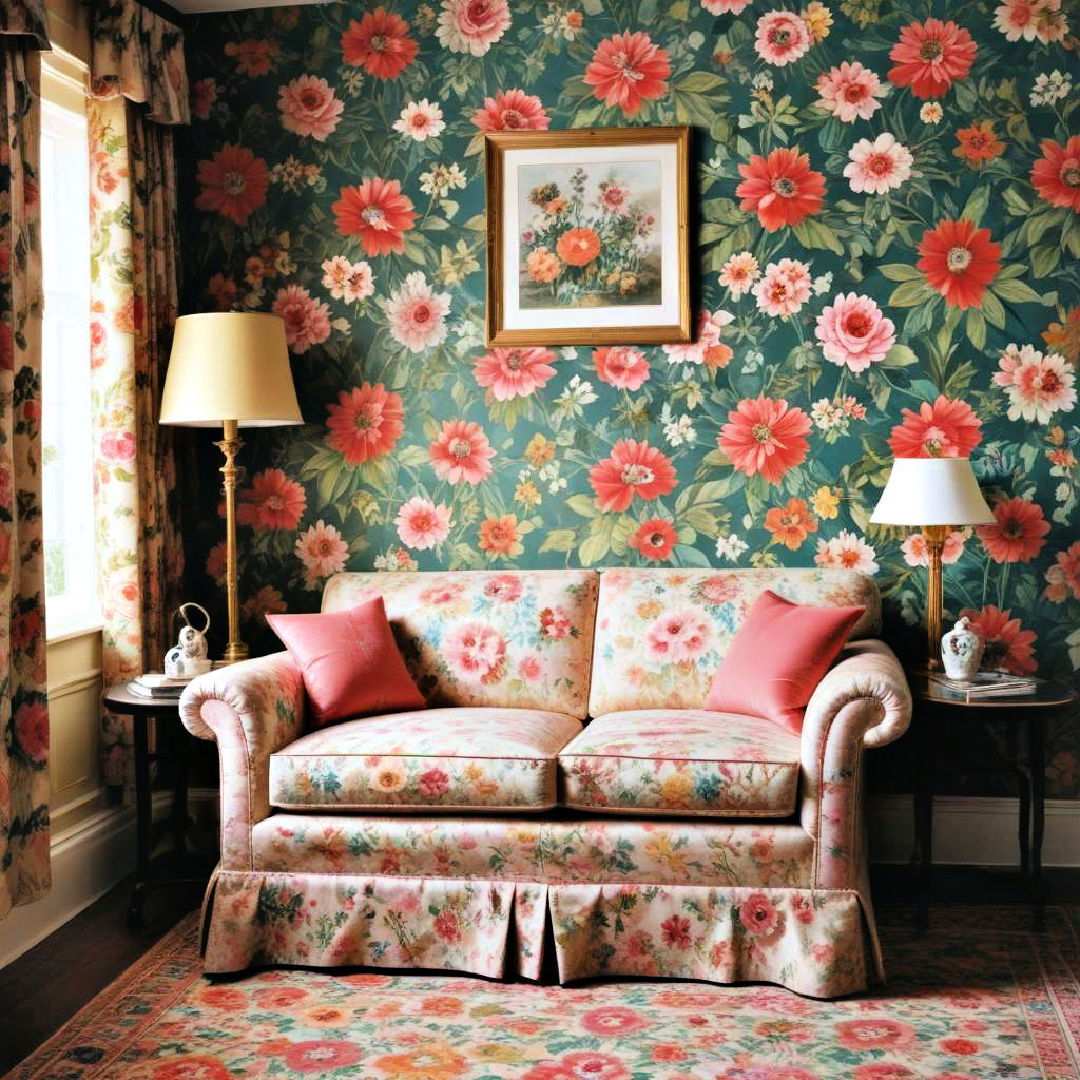
Vibrant floral patterns on upholstery and wallpaper were a hallmark of 1990s design, making them a perfect fit for floral-inspired nursery ideas. These large-scale prints brought a sense of warmth and comfort to living spaces, creating a cozy yet lively atmosphere that was equal parts inviting and stimulating. By incorporating these designs into sofas, chairs, and accent walls, homeowners could add a fresh, nature-inspired touch that brought the outdoors in, elevating their aesthetic living room vibe with a burst of colorful energy. The beauty of this trend lay in its ability to strike a balance between a homely feel and lively patterns, making it an ideal choice for those seeking a welcoming and vibrant aesthetic.
2. Soothing Earthy Hues
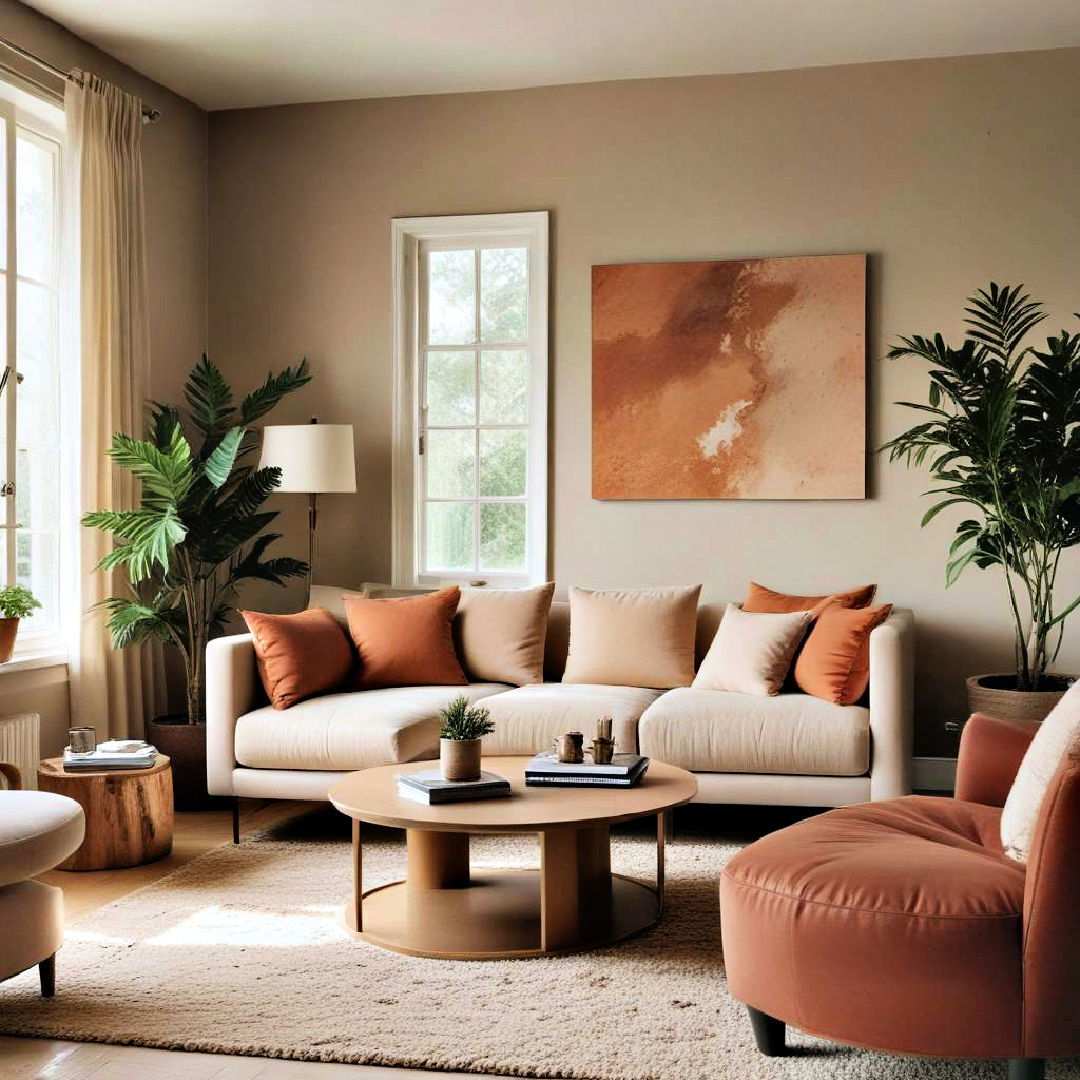
The 1990s interior design landscape was characterized by a prevalence of muted earth tones, with colors like beige, taupe, and terracotta playing a starring role. These calming hues brought a sense of natural warmth to spaces, making homes feel more grounded and serene. By incorporating these tones into walls, furniture, and flooring, homeowners were able to create a soft, understated environment that was both timeless and cozy. This trend was a masterclass in understated elegance, perfect for those looking to add a touch of subtle sophistication to their living spaces without sacrificing warmth and personality.
3. Track Lighting
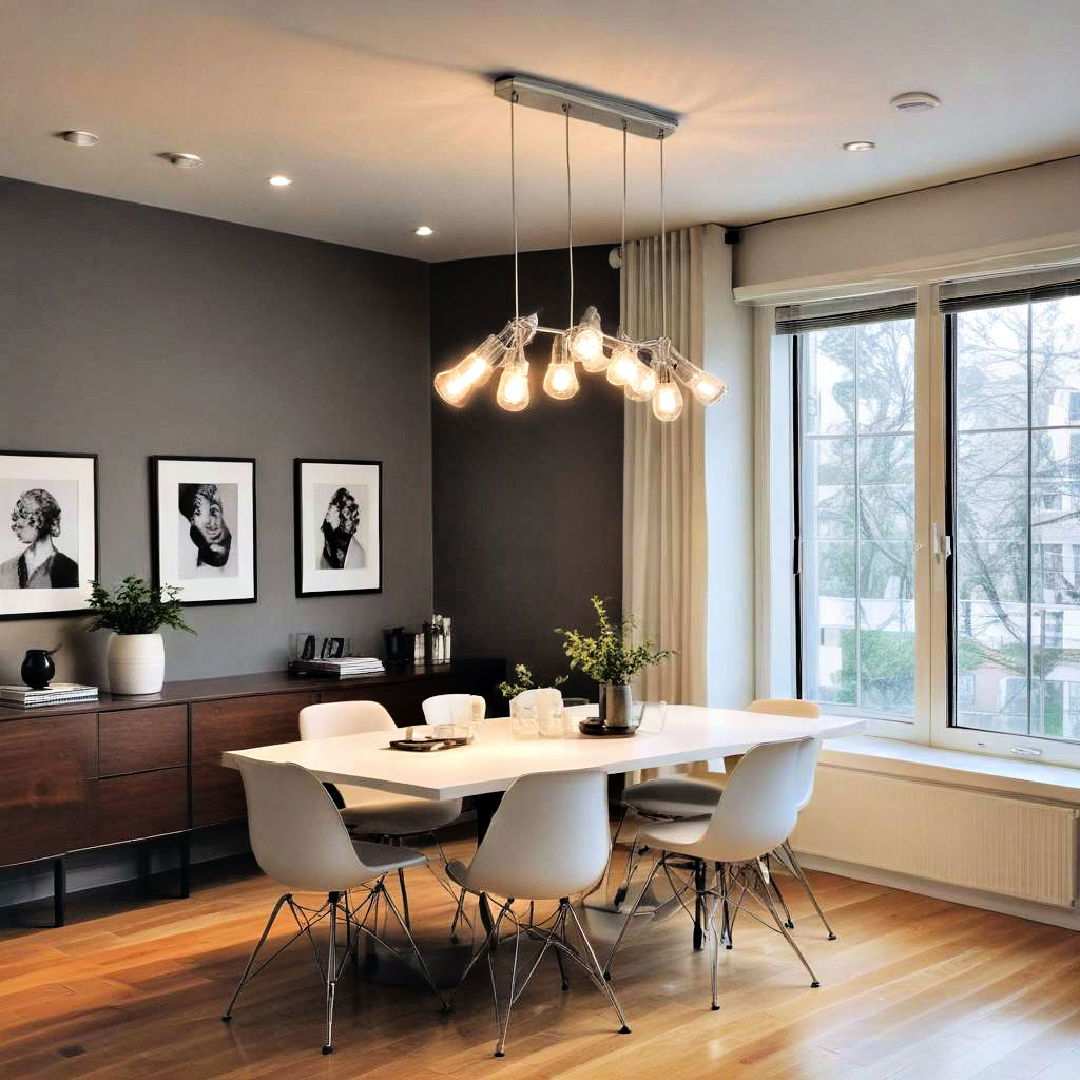
Retro-inspired interior design often incorporates bold colors, eclectic patterns, and minimalist furniture to evoke a nostalgic feel. During the 1990s, track lighting emerged as a popular choice for illuminating rooms while adding a touch of modernity, effortlessly blending with minimalist decorating ideas. This versatile lighting solution enables homeowners to focus light on specific areas, such as art pieces, countertops, or reading nooks, all while maintaining a sleek and minimalist design. Beyond its aesthetic appeal, track lighting also offered functional advantages by being adjustable and customizable, making it an ideal choice for highlighting a room’s best features.
4. Plaid Patterns
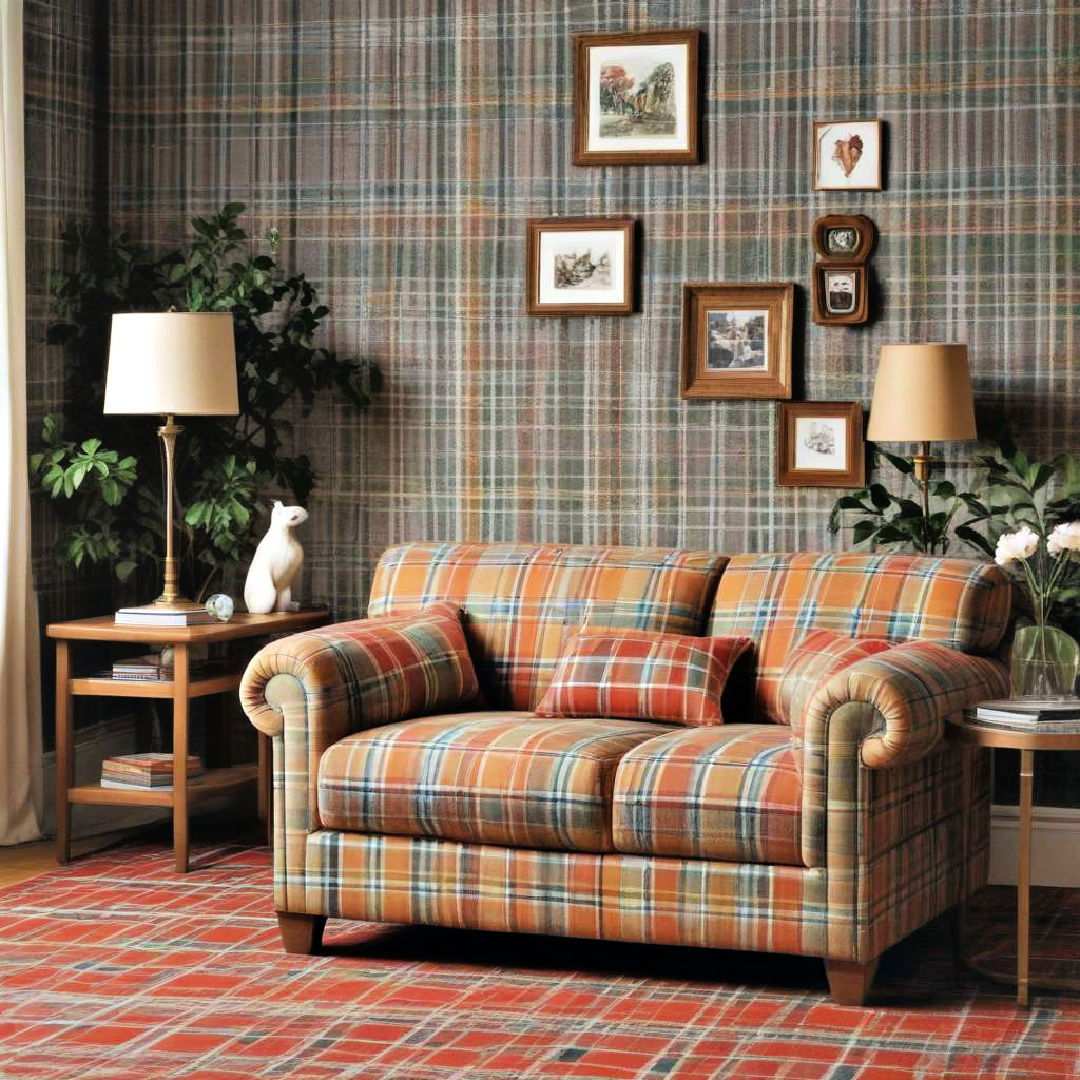
Plaid fabrics were a defining feature of 1990s interior design, frequently appearing in upholstery, bedding, and other decorative elements. These patterns, often characterized by deep reds, greens, and blues, lent a rustic yet comfortable charm to rooms. Plaid’s adaptability allowed it to seamlessly fit into both traditional and modern interiors, imparting a sense of coziness and a hint of country style. This trend made spaces feel approachable and lived-in without sacrificing style.
5. Open-Shelving in Kitchens
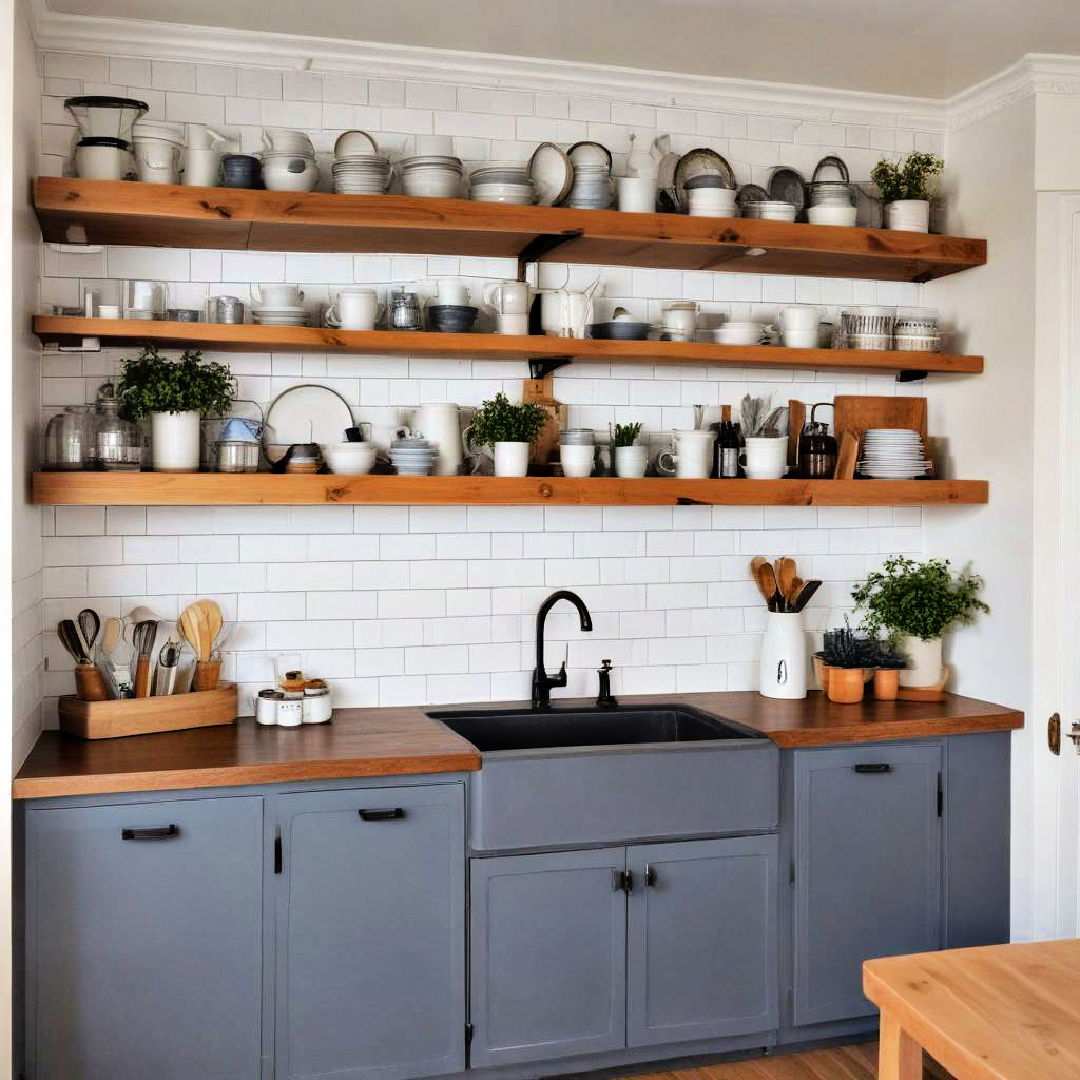
In the 1990s, open shelving in kitchens became a notable trend, striking a balance between functionality and display. Homeowners utilized open shelves to showcase their favorite dishware, plants, and kitchen décor, making the kitchen feel more accessible and lived-in. This concept allowed for easy access to frequently used items while adding a personal touch. As a result, the trend catered to both form and function, making it an ideal choice for those who valued an organized yet stylish kitchen space.
6. Leather Furniture
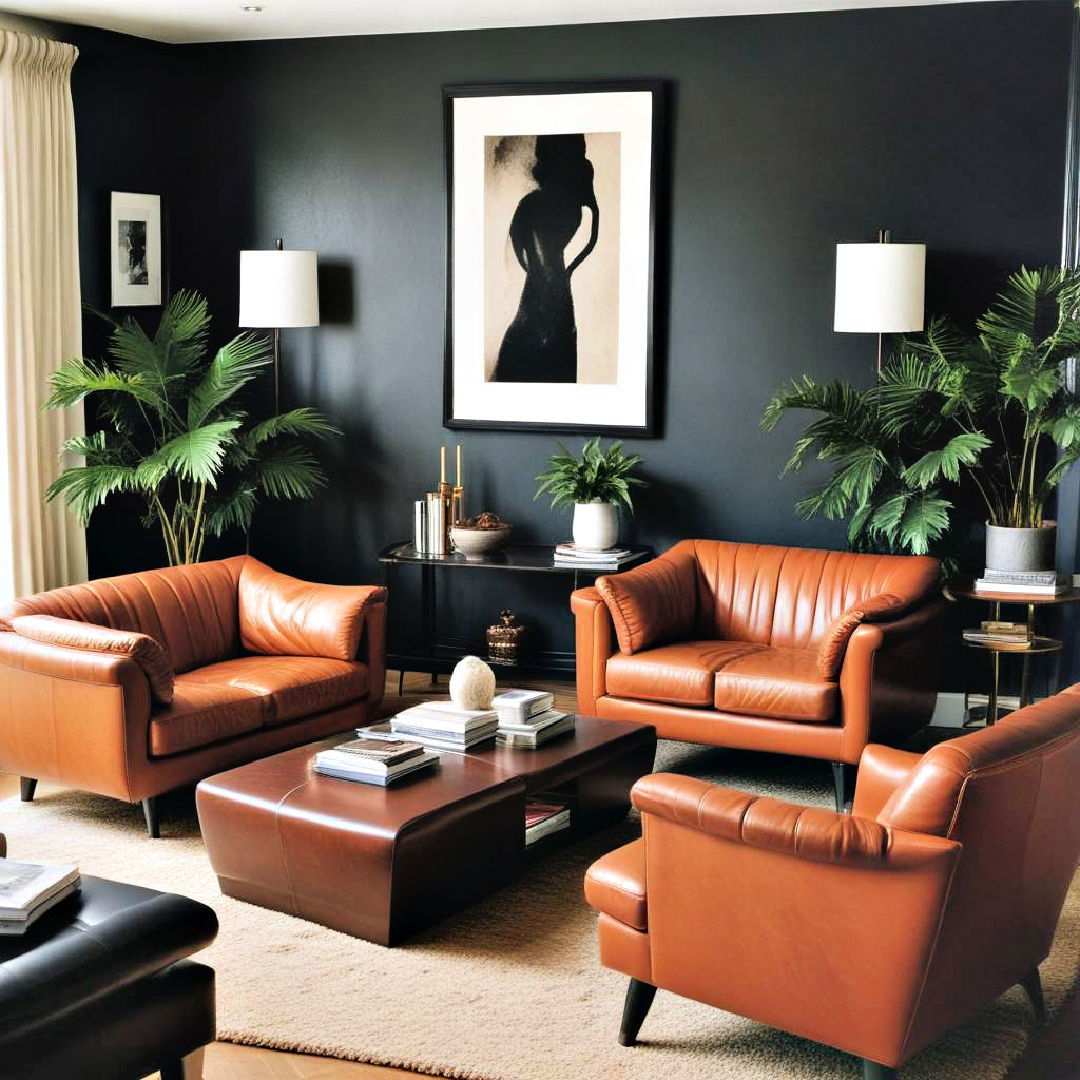
Leather sofas and armchairs were a staple of 1990s interior design, imparting a sleek, masculine edge to living rooms and dens. Often found in rich, dark tones like brown and black, leather furniture exuded sophistication while also being durable and easy to clean. This trend was particularly well-suited for families and anyone seeking a long-lasting, stylish seating option that conveyed both comfort and class.
7. Wallpaper Borders
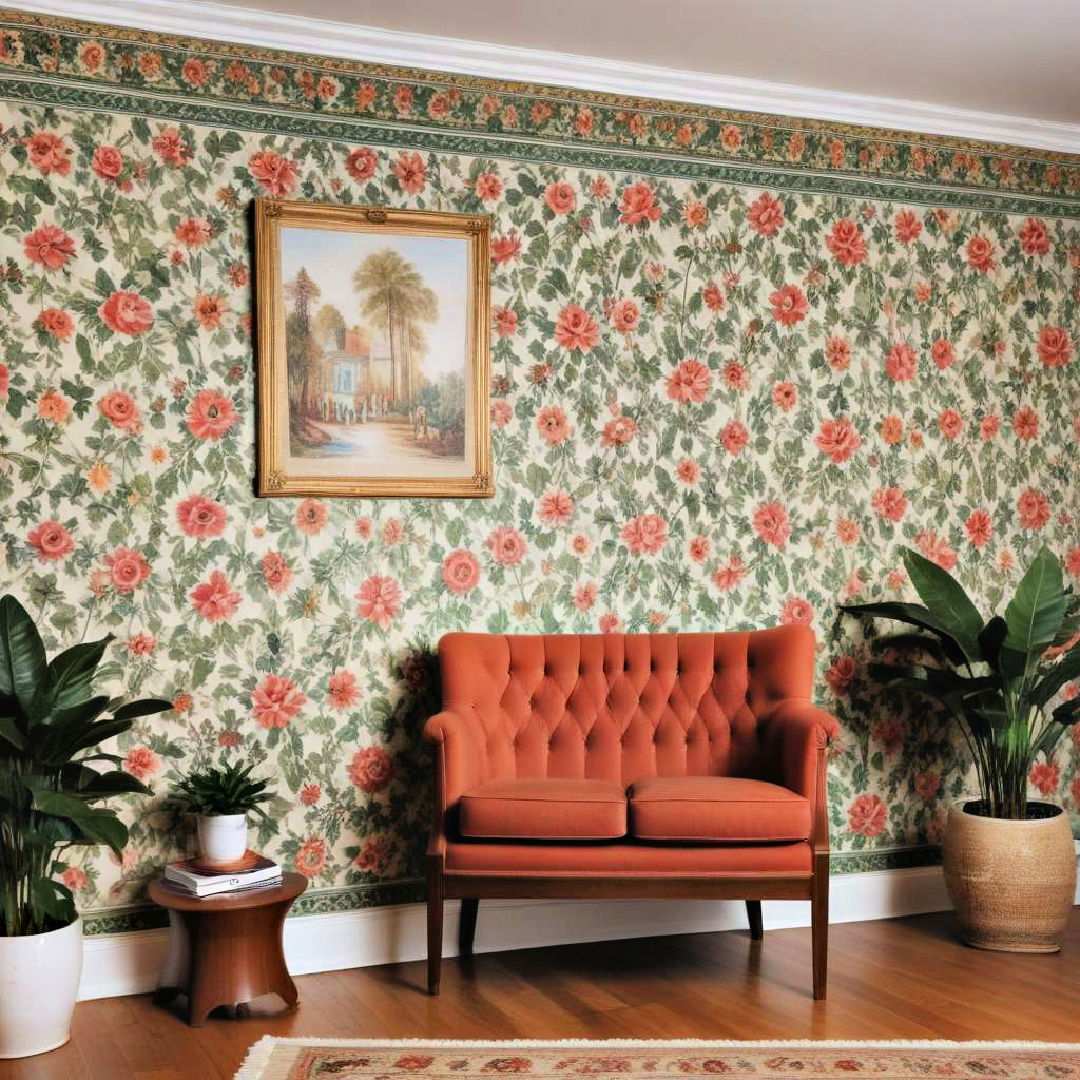
A living room with 1990s-inspired interior design can be created by incorporating vintage decor, geometric patterns, and warm tones. One way to add detail to a room is by incorporating vintage-style wallpaper borders, often featuring patterns like florals. These borders were typically placed at the top of walls, just below the ceiling, or around doorways, offering a simple yet effective way to enhance a room’s design without committing to full wallpaper coverage. This trend allowed homeowners to add personality to their space while maintaining flexibility with paint colors.
8. Light Wood Finishes
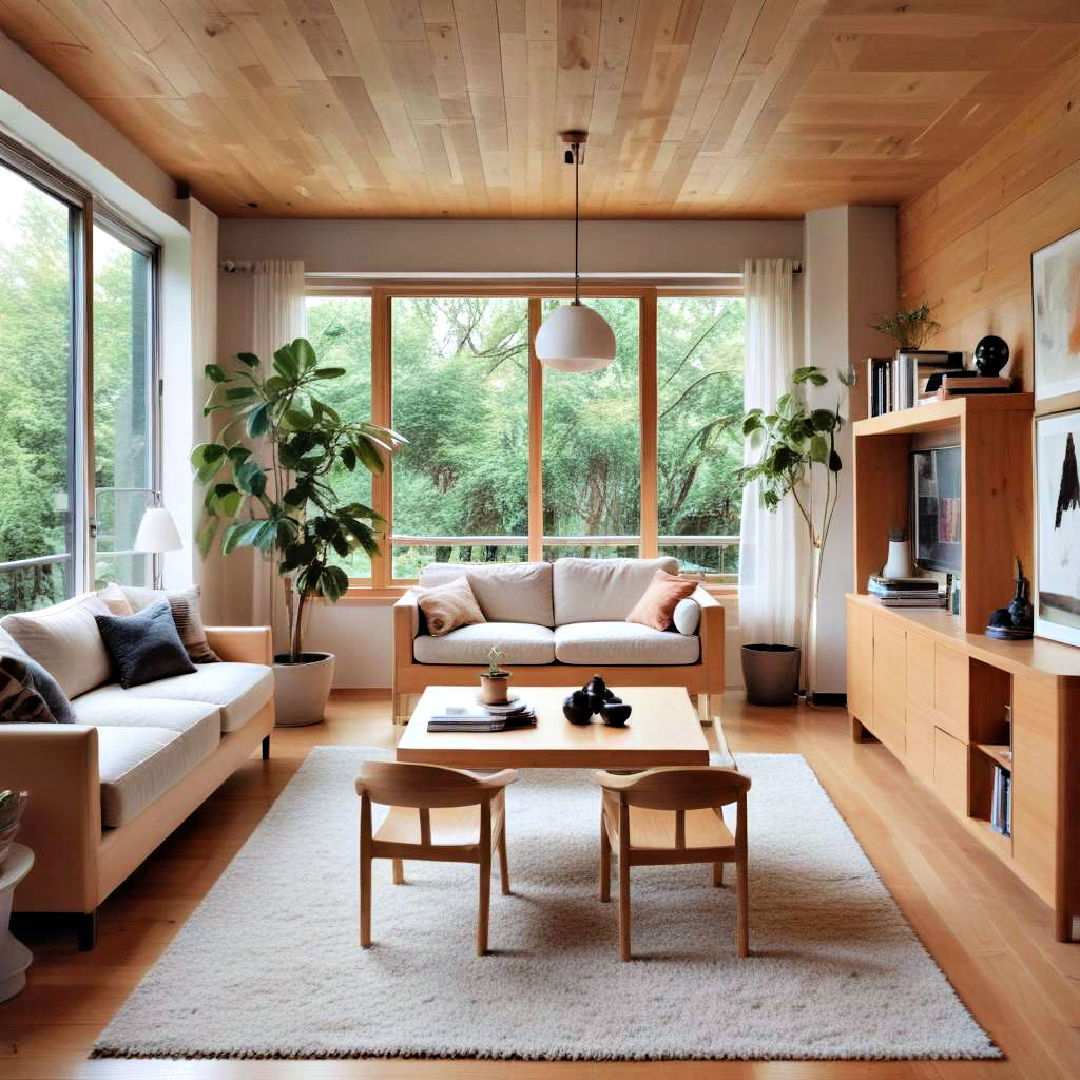
The 1990s witnessed a notable shift towards lighter wood tones in furniture and flooring, with blonde wood and similar finishes dominating the design landscape. This trend brought a fresh, airy feel to homes, contrasting with the heavier, darker furniture styles of previous decades. By incorporating light wood finishes, homeowners were able to create spaces that embodied a natural, clean aesthetic, blending seamlessly with modern and traditional interiors alike.
9. Shabby Chic
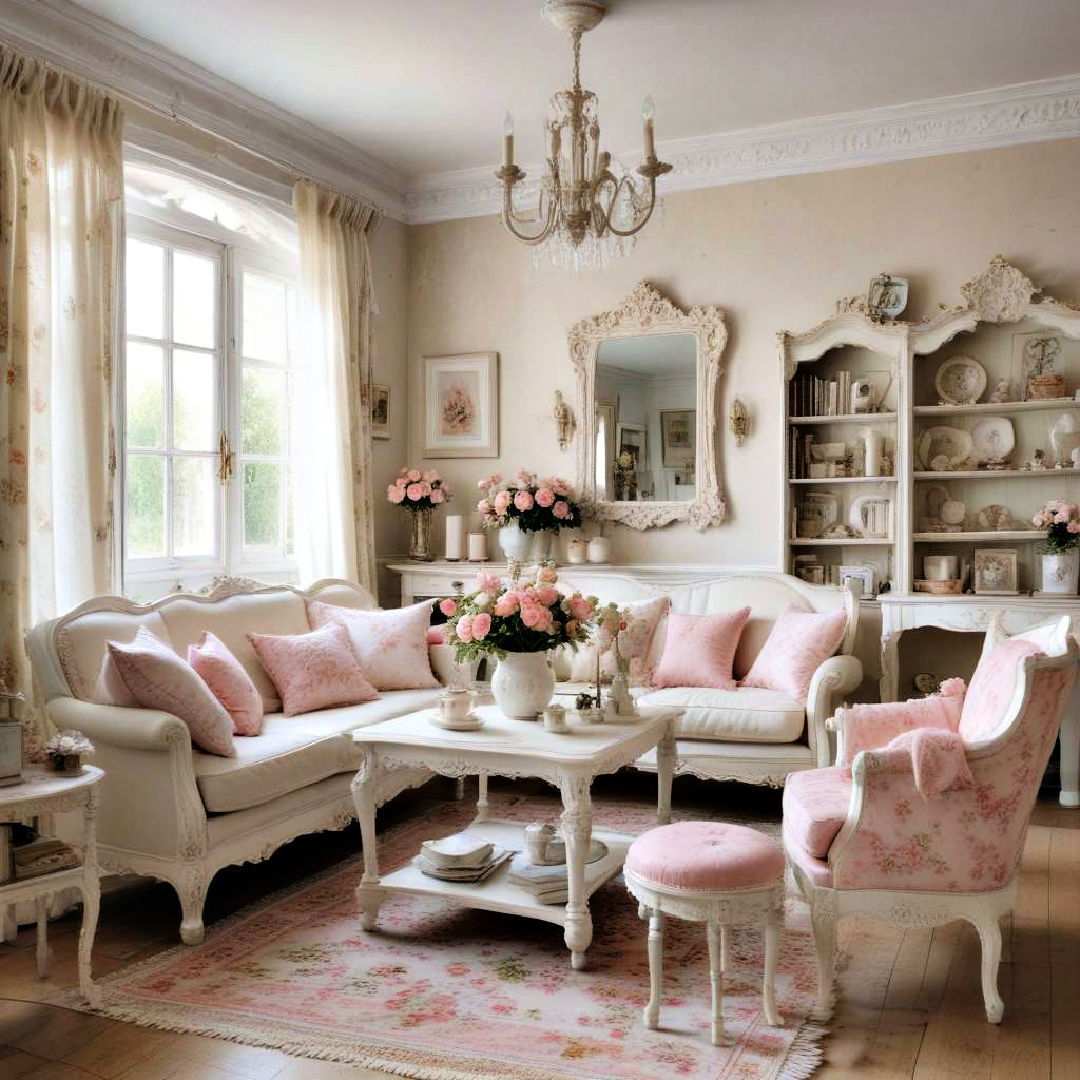
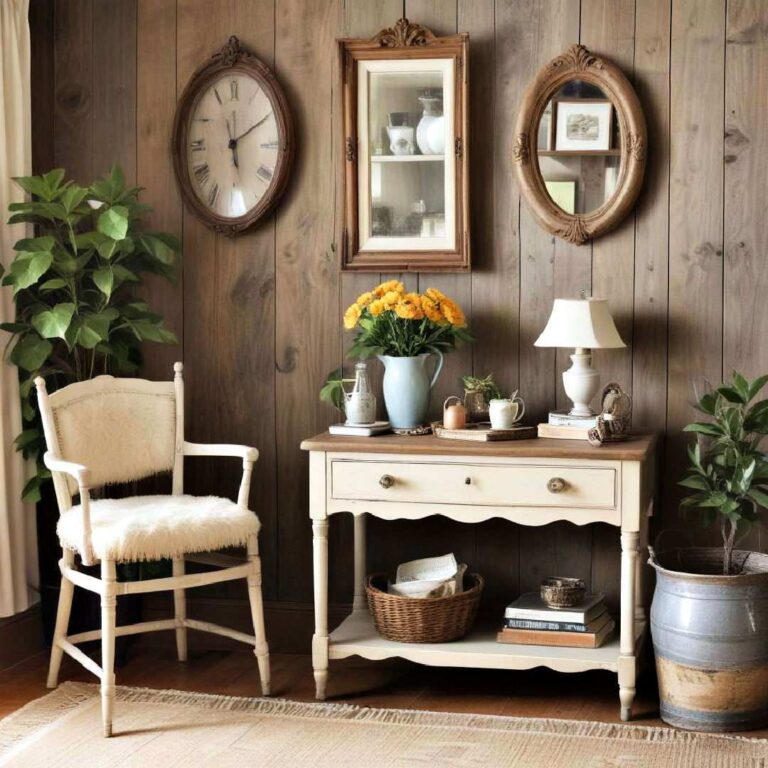
Shabby chic, a distinctive design aesthetic, gained immense popularity in the 90s. Characterized by distressed furniture, vintage living room ideas, and soft colors, this style offered a romantic, lived-in feel that beautifully combined elegance with comfort. The enduring appeal of shabby chic lies in its ability to create spaces that exude charm, personality, and a touch of nostalgia, perfect for those seeking a home that’s both stylish and relaxed.
10. Faux Finishes
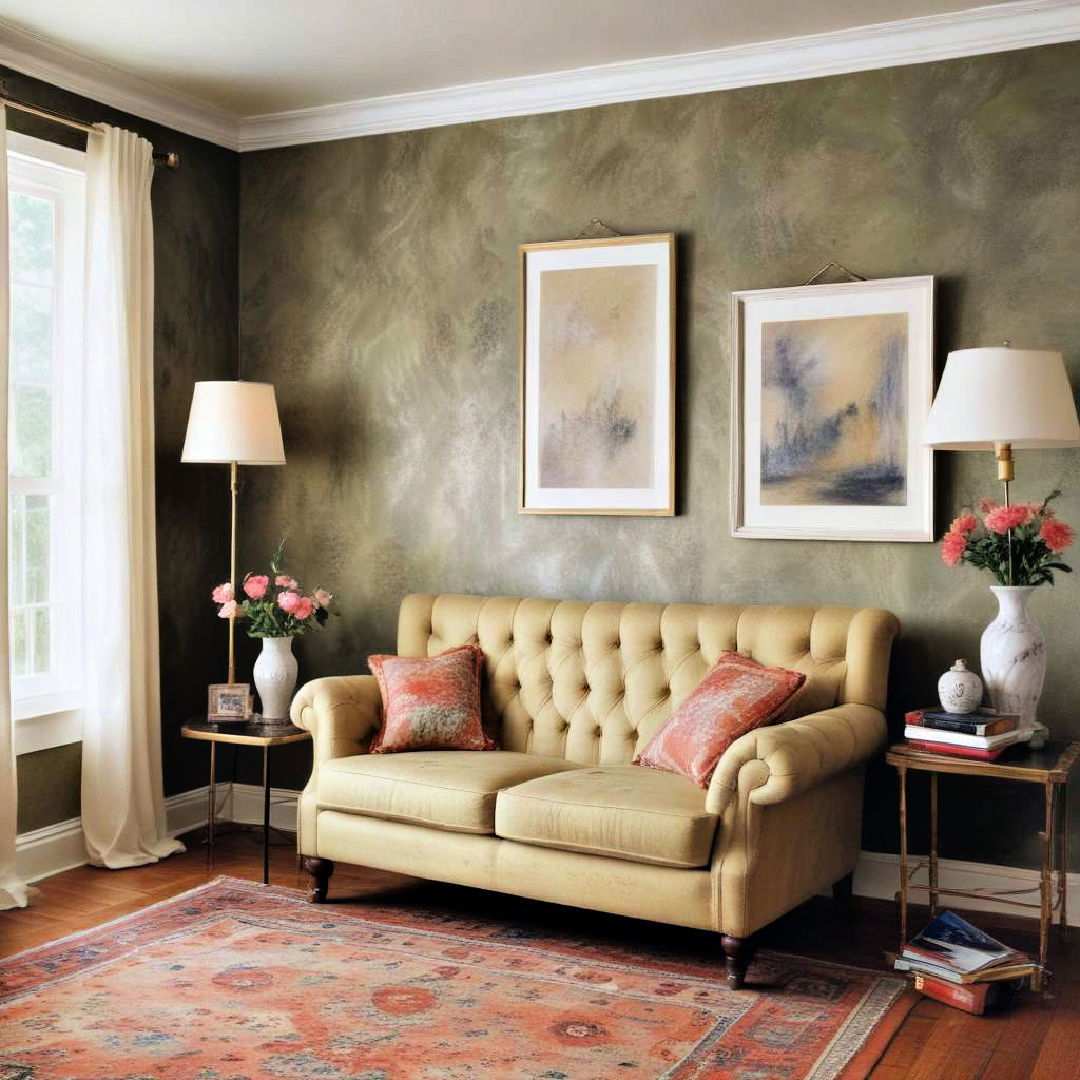
Faux finishes on walls, including techniques like sponge painting or rag rolling, were a prominent feature of 90s design trends. These textured paint methods allowed homeowners to replicate the look of materials such as marble, stone, or suede at a fraction of the cost. The result was a more dimensional, artistic look on walls, adding depth and interest to rooms. Faux finishes provided a creative, DIY-friendly way to personalize interior spaces and add a unique touch.
11. White Kitchens
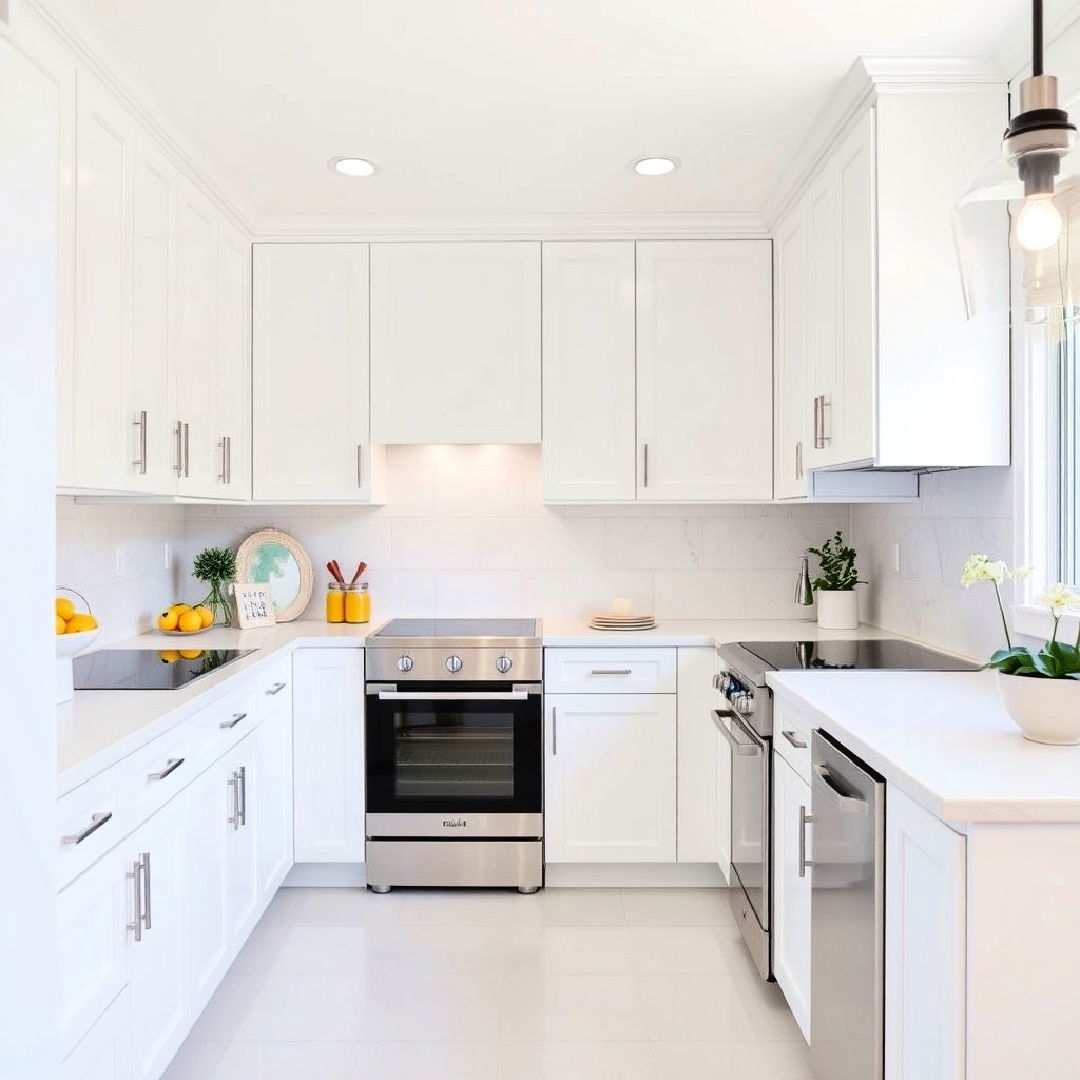
The all-white kitchen became a major trend in the 90s, creating a clean, crisp look that was both bright and refreshing. White cabinets, countertops, and backsplashes gave kitchens a streamlined and modern feel, while also making spaces appear larger and more open. This trend was both timeless and practical, appealing to homeowners who valued simplicity and a fresh, uncluttered look, making it an enduring choice for many.
12. Glass Block Walls
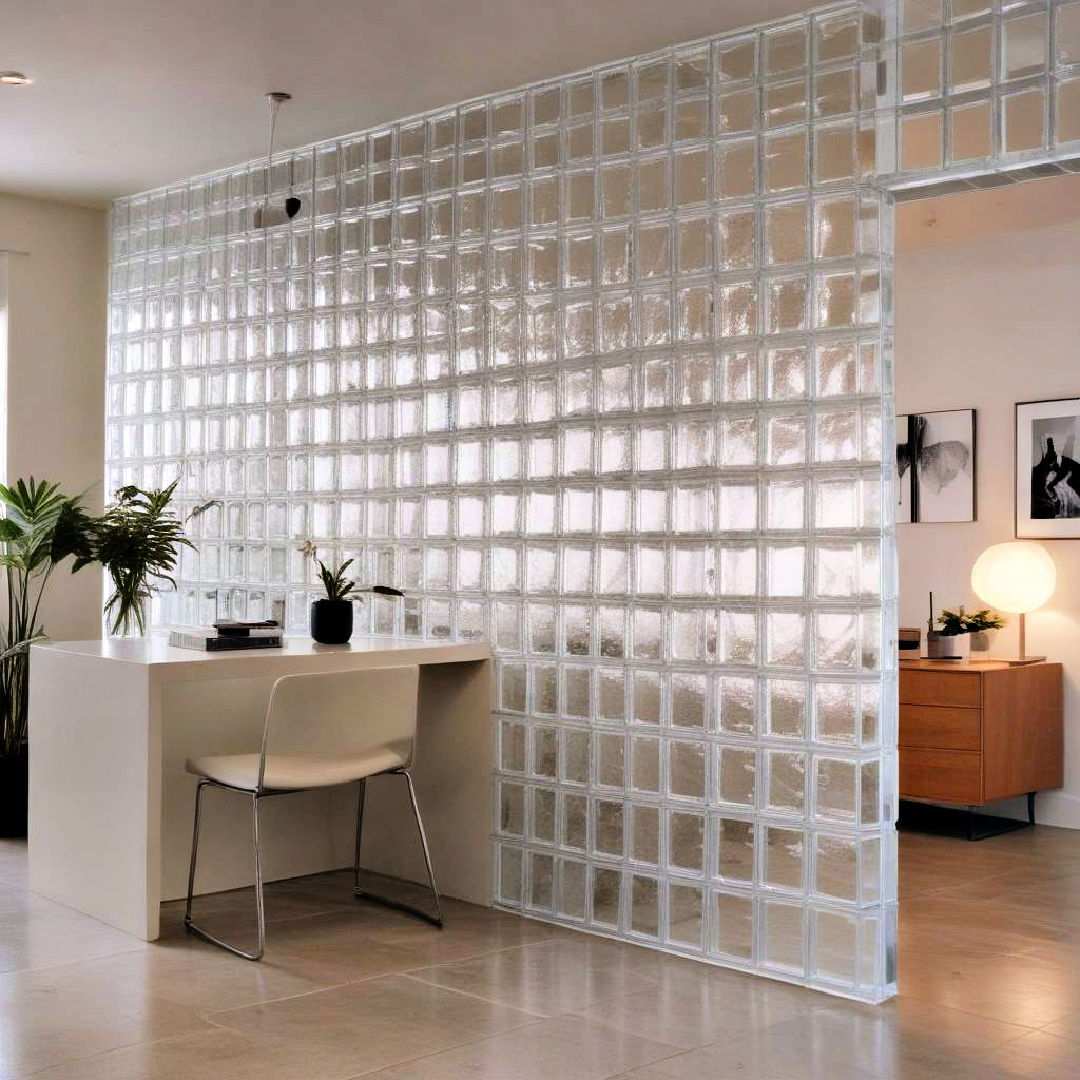
Glass block walls were a notable feature in the 90s, used to divide spaces or add privacy while still allowing light to flow through. These semi-transparent blocks were often found in bathrooms, entryways, or even as room dividers. Glass blocks offered a unique way to create separation without losing light, making them ideal for anyone looking for a modern twist on traditional privacy solutions.
13. Ceiling Fans
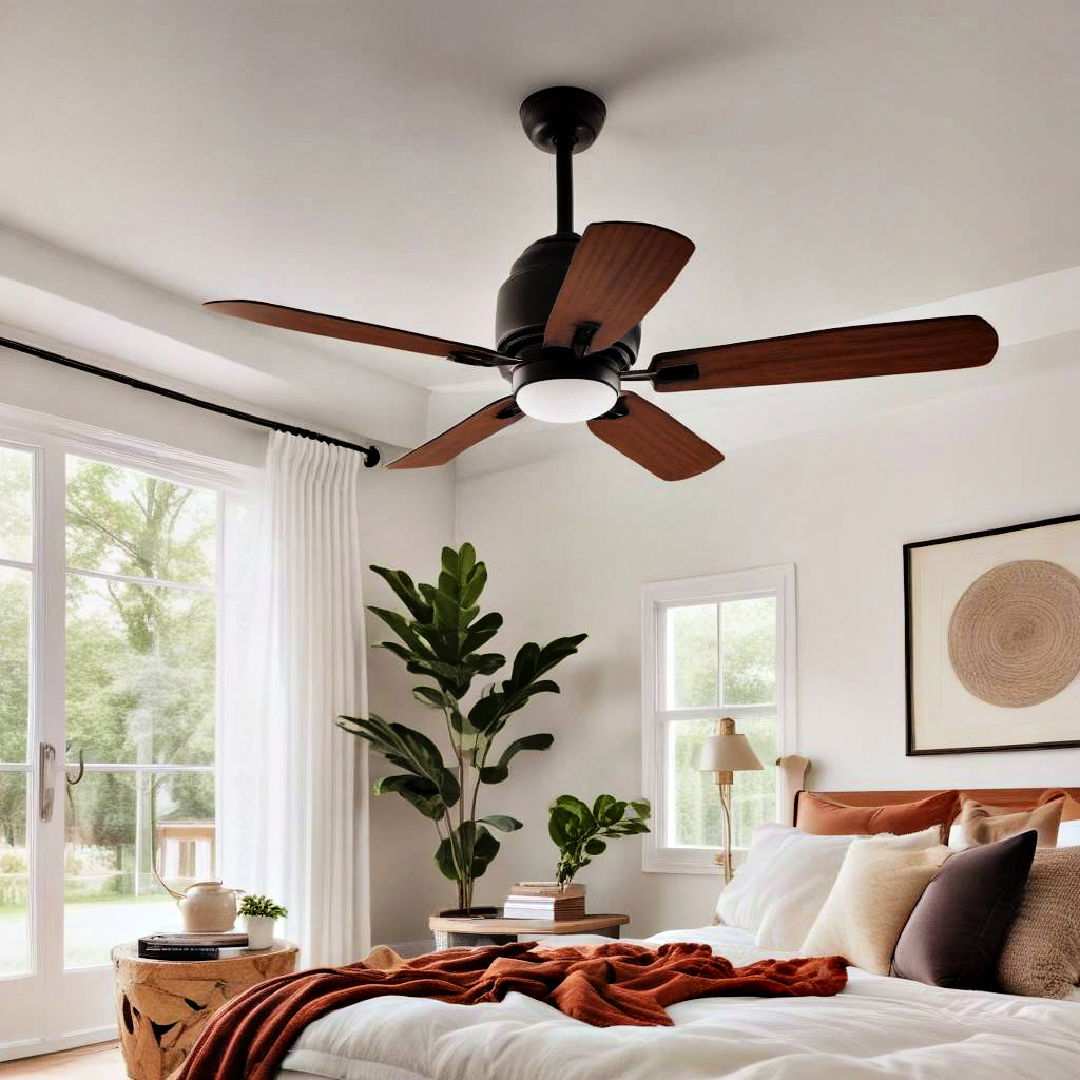
Ceiling fans became a key design element in the 90s, providing both practical cooling solutions and a decorative touch. Fans with wooden or metal blades were often used to add style to bedrooms, living rooms, or outdoor spaces. Beyond functionality, ceiling fans in the 90s were crafted to blend into the décor, with many featuring ornate or minimalist designs that complemented various interiors, making them a versatile and practical design choice.
14. Neon and Pastel Accents Revival
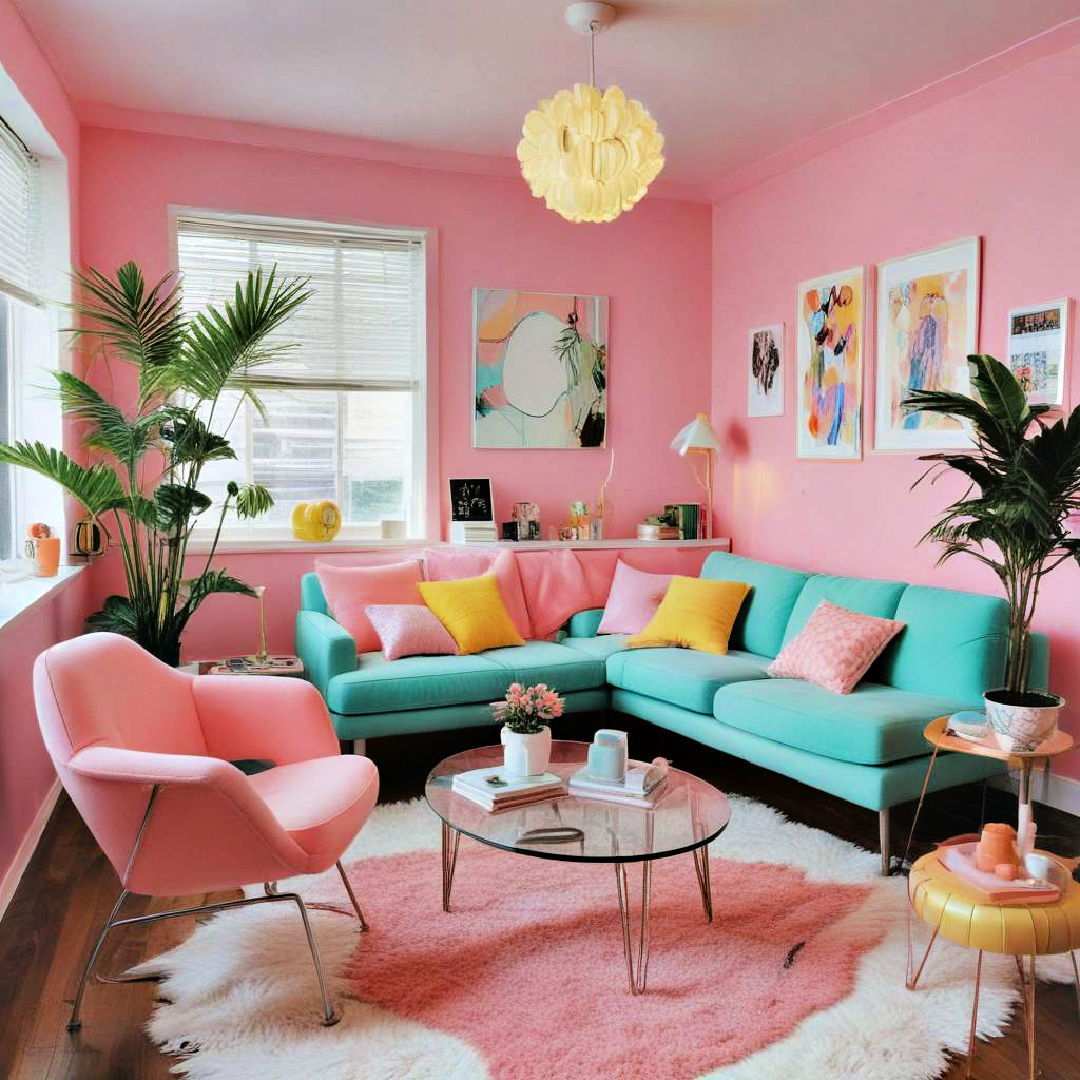
Step back in time and experience the nostalgia of 1990s interior design by blending minimalist elements with vibrant accents. The incorporation of neon and pastel hues added a playful, youthful touch to 90s interiors. These colors, often featured in accessories, artwork, or furniture pieces, injected a splash of personality into neutral spaces. Neon lighting, pastel throw pillows, and bold art prints were just a few ways this trend brought vibrant energy to homes, appealing to those who craved a touch of whimsy in their décor.
15. Arched Doorways and Windows: A Mediterranean Touch
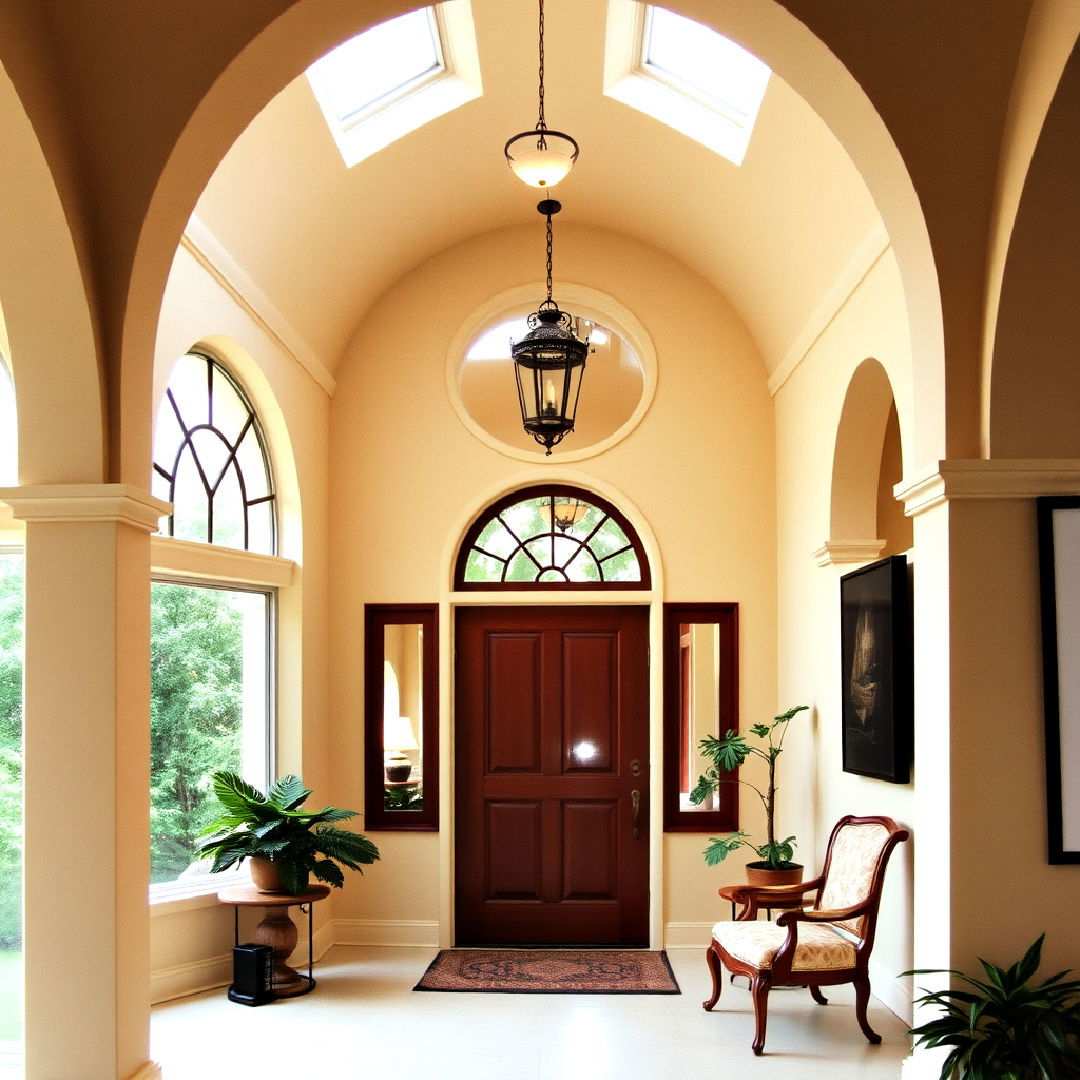
The 1990s saw a resurgence of Mediterranean architectural design, characterized by the incorporation of arched doorways and windows. These curved elements softened the sharp angles of traditional architecture, introducing a touch of vintage elegance. Arches were commonly found in living rooms, hallways, and entryways, adding a classic, sophisticated feel to homes. This trend was perfect for creating a subtle sense of grandeur without overwhelming the space, making it a staple of Mediterranean living room ideas.
16. Bean Bag Chairs: Ultimate Comfort
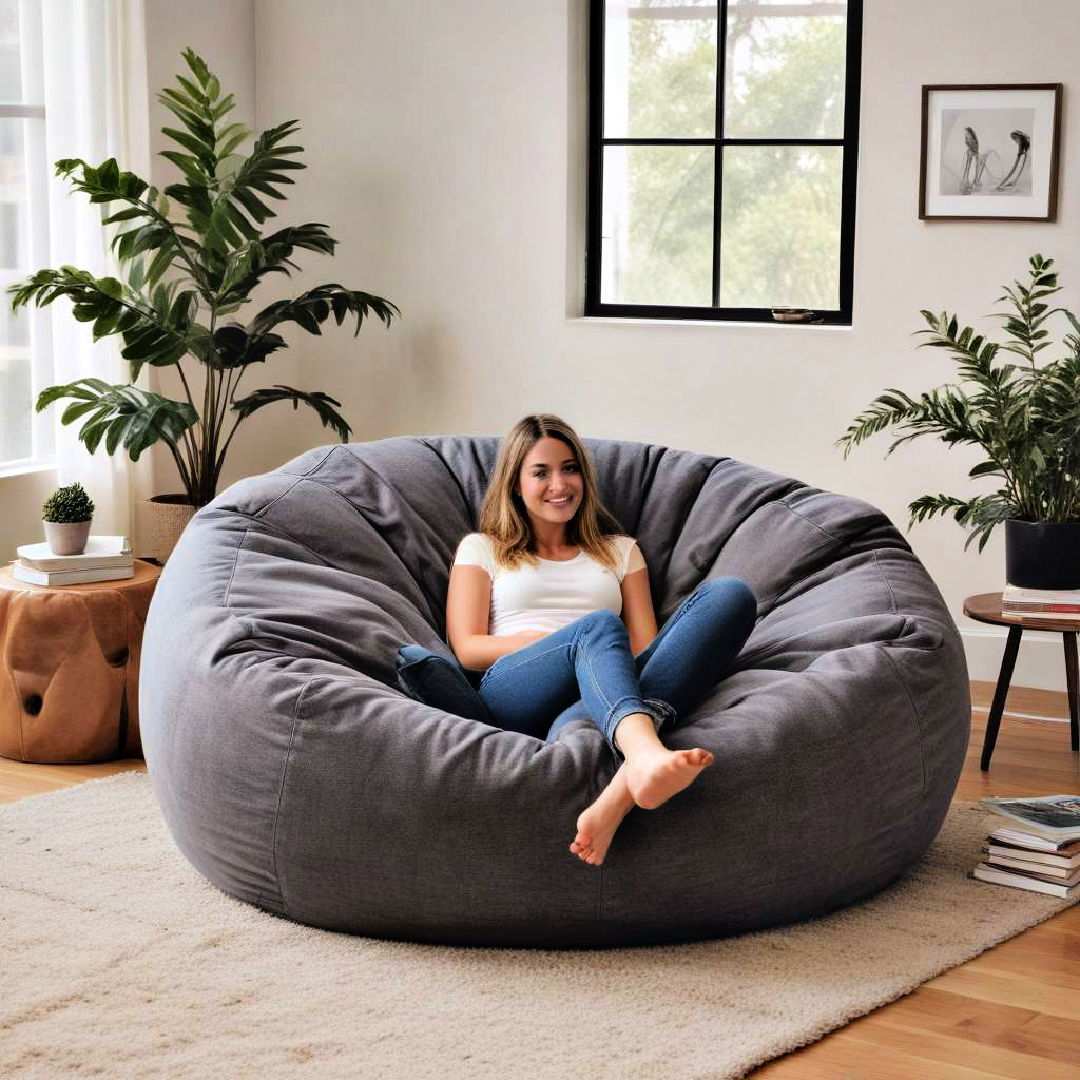
Bean bag chairs, a staple of 90s living rooms and kids’ rooms, offered a playful and comfortable seating option. These oversized, cushy chairs added a relaxed vibe to any space, making them ideal for lounging, reading, or watching TV. With various colors and fabrics available, they became a fun and versatile décor choice for creating cozy, inviting spaces that encouraged relaxation.
17. Minimalist Scandinavian Design: Less is More
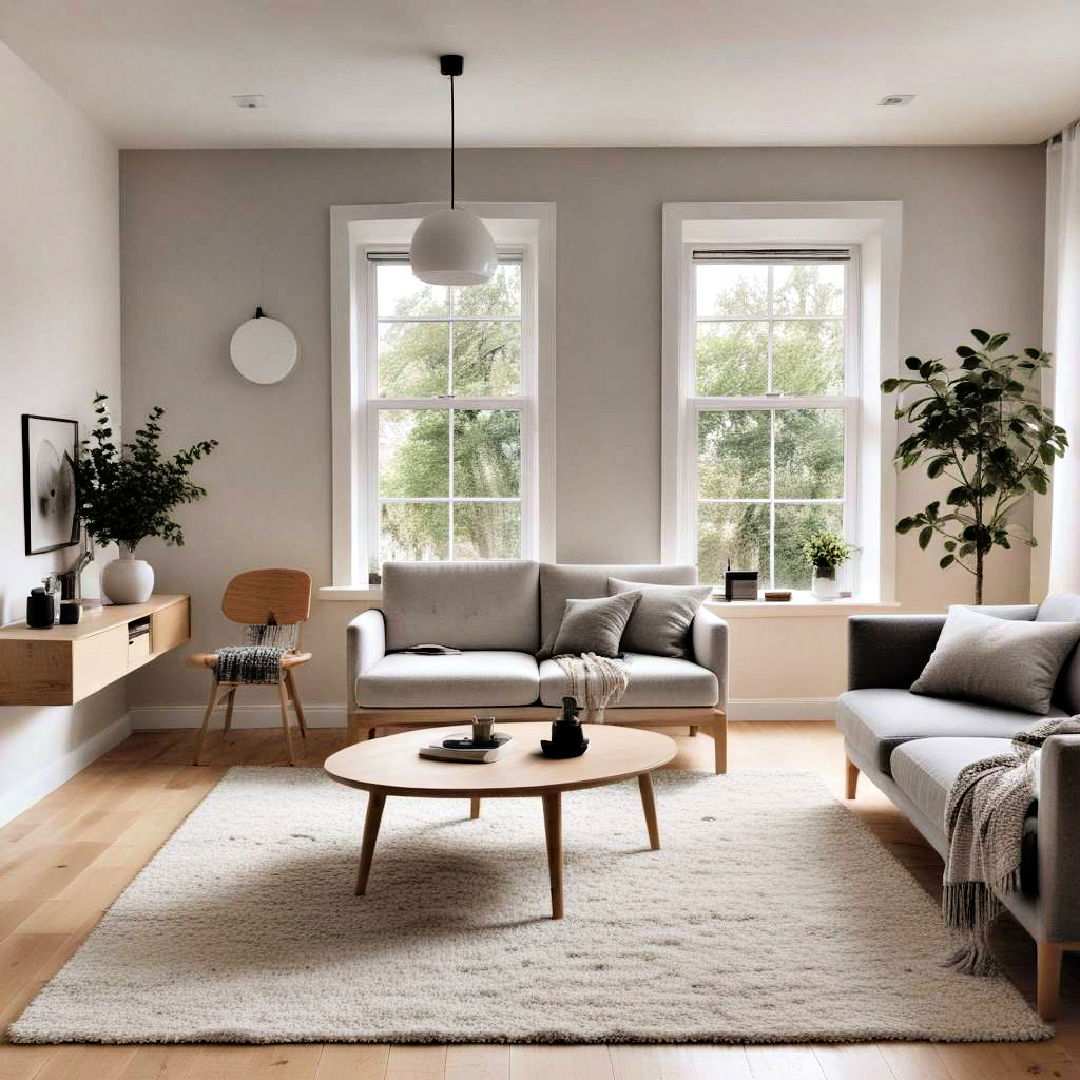
The 1990s witnessed the rise of minimalist Scandinavian design, which emphasized clean lines, functional furniture, and natural materials like wood and wool. This style focused on simplicity and practicality, creating uncluttered, serene environments that prioritized comfort and organization. It was perfect for those looking to balance modern aesthetics with a sense of calm, making homes feel airy and peaceful.
18. Wall-to-Wall Carpeting: A Warm and Inviting Trend
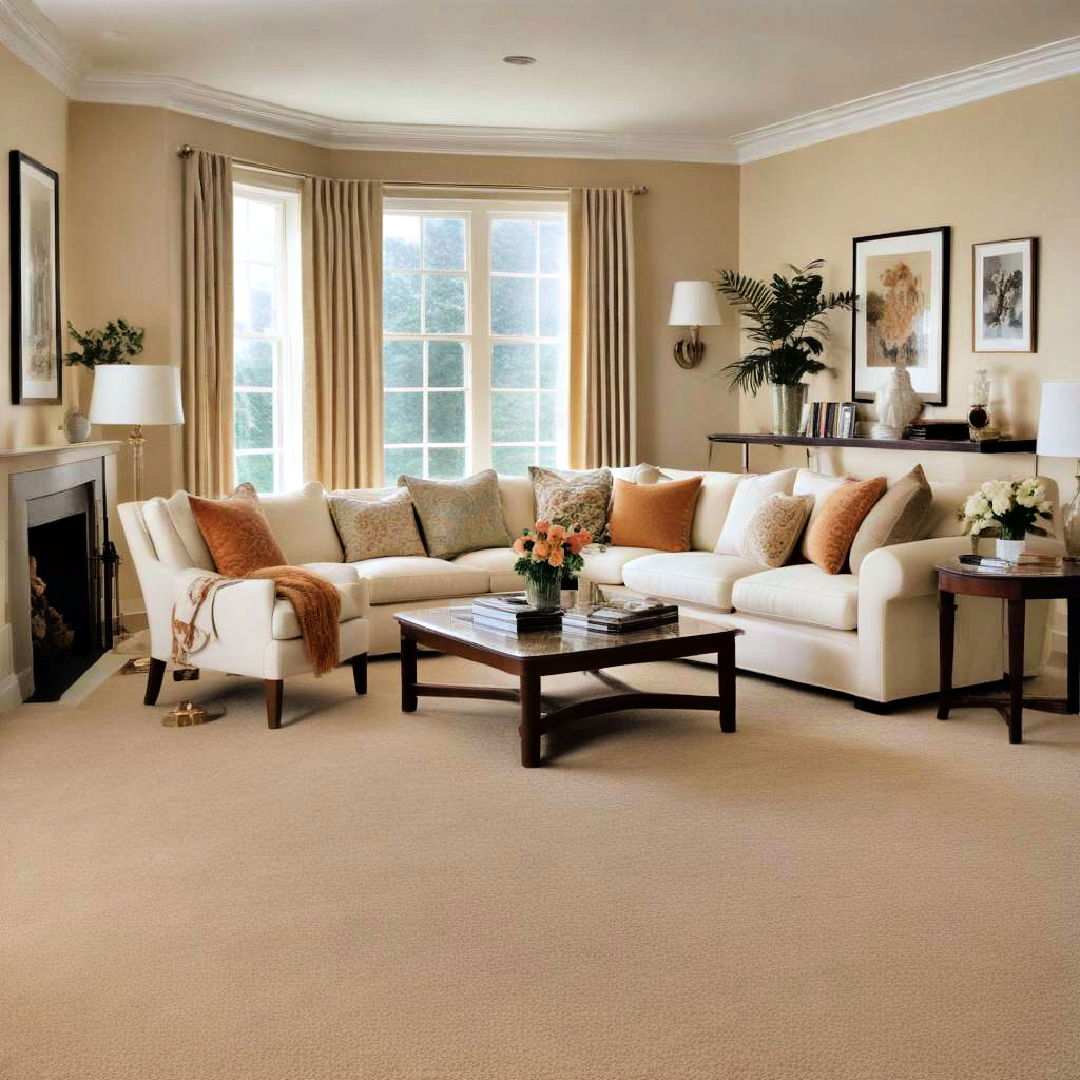
Wall-to-wall carpeting was a defining feature of 1990s homes, providing softness and warmth underfoot in living rooms, bedrooms, and even bathrooms. Carpeting was often installed in neutral tones like beige, gray, or cream, making it a versatile backdrop for various furniture styles. This trend prioritized comfort and insulation, ideal for families and those who enjoyed cozy, plush interiors that felt like a warm hug.
19. Southwestern Influence: Desert Chic
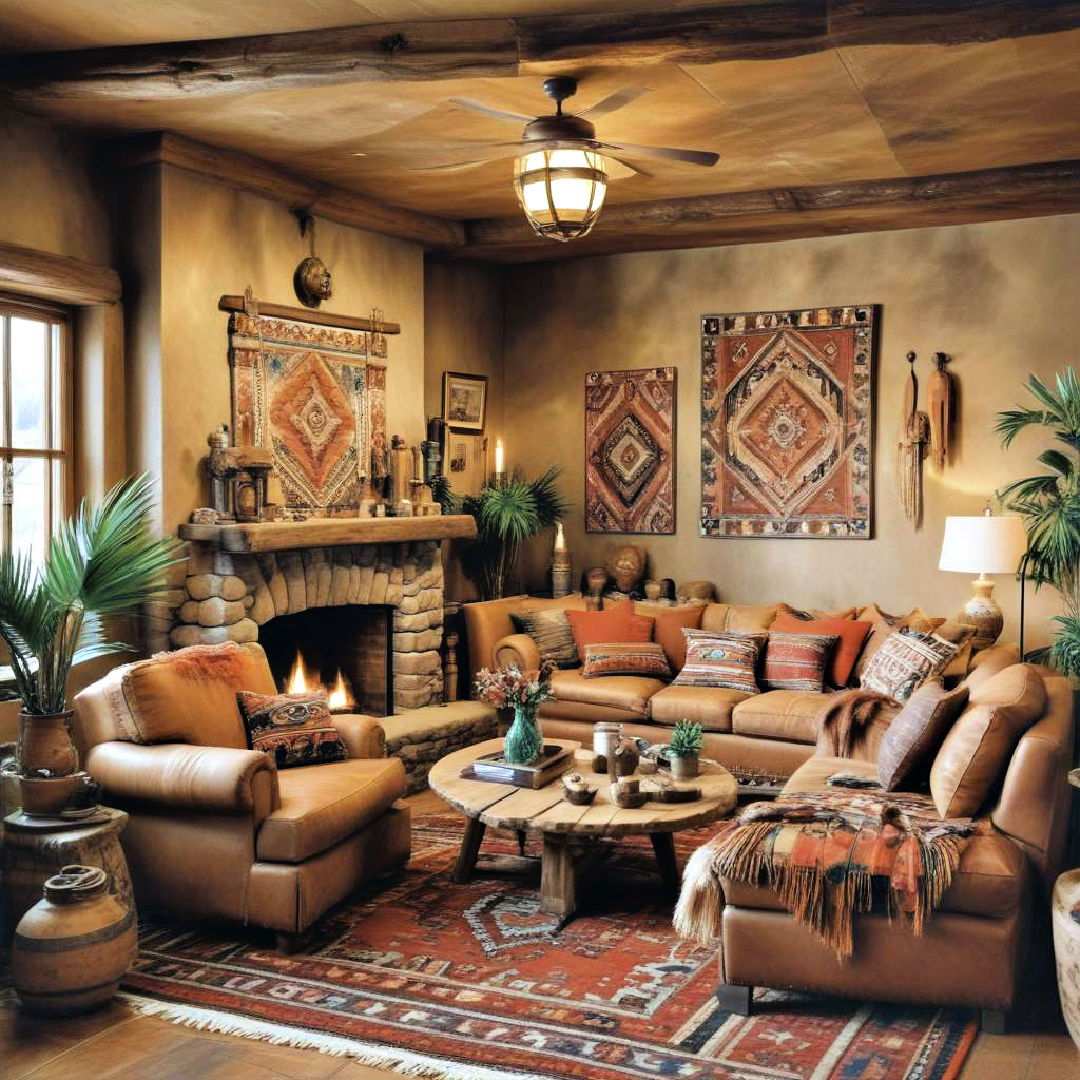
Inspired by the American Southwest, this trend introduced earthy colors, rustic textures, and patterns like Navajo prints into 90s interiors. Terracotta tiles, woven rugs, and sun-faded colors like coral, turquoise, and sand were common elements. This style brought a warm, desert-inspired aesthetic that was both laid-back and culturally rich, making it perfect for anyone looking to introduce a bit of southwestern charm into their home and create a unique, inviting atmosphere.
20. Timeless Design Elements
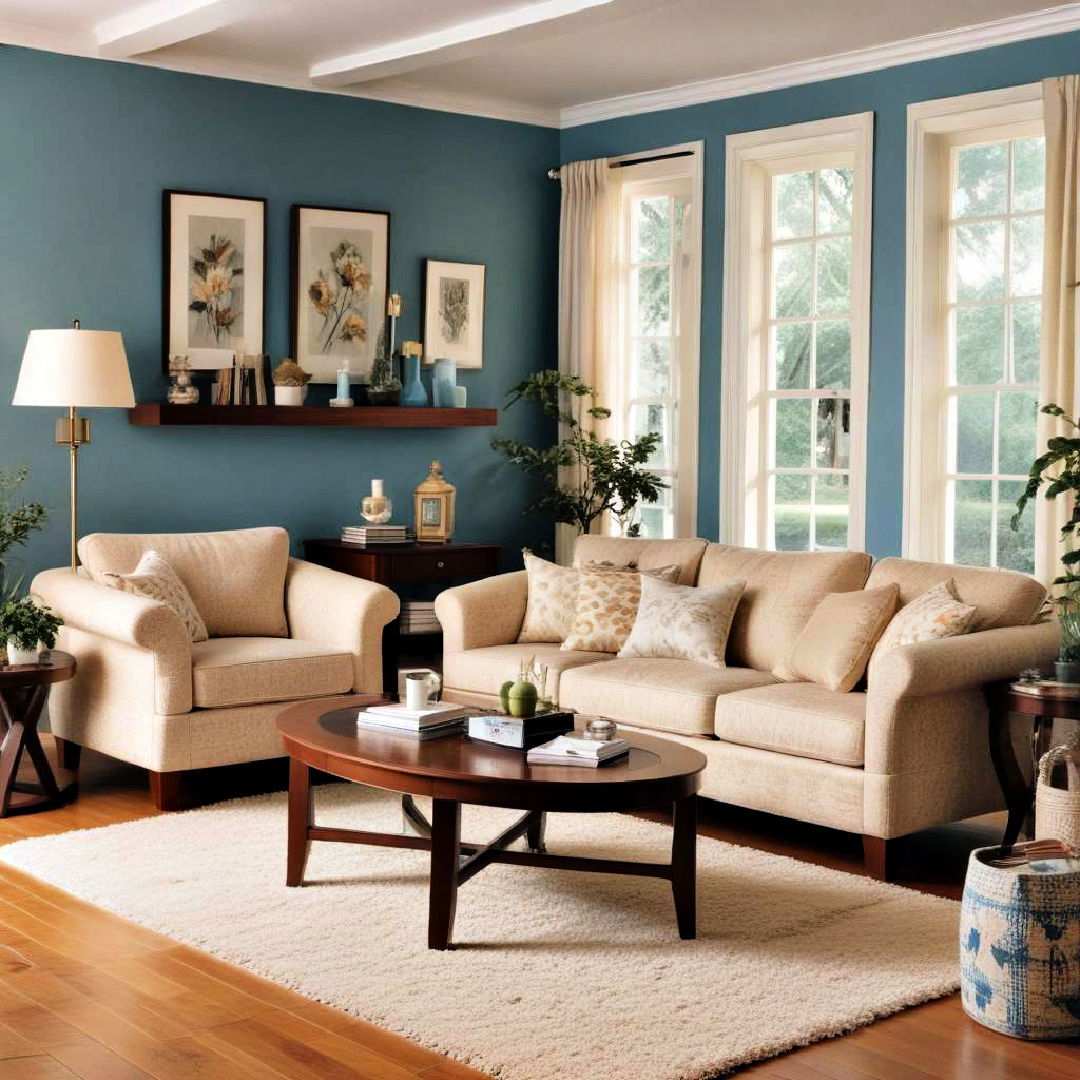
Bring a nostalgic charm to your space by embracing the essence of 90s interior design, where retro flair, bold textures, and eclecticism converged. In living rooms and bedrooms, harmonious design was achieved through matching furniture sets, which consisted of sofas, chairs, and tables from the same collection. This approach created a polished, cohesive look, although it sometimes bordered on uniformity. For those seeking a consistent aesthetic without the complexity of mixing styles, this trend was an attractive choice.
21. Functional Window Treatments
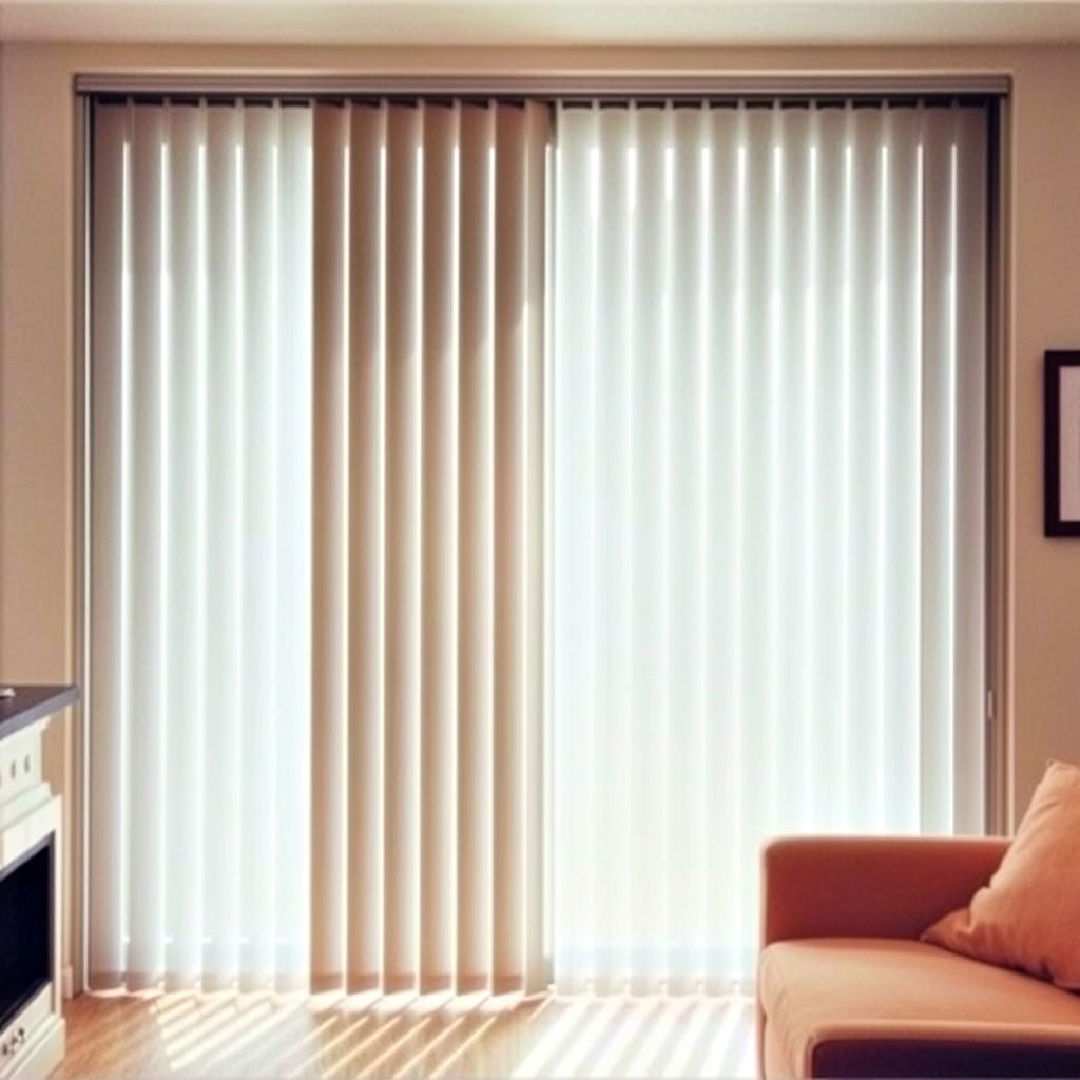
During the 1990s, vertical blinds became a staple in modern window treatments, particularly for large windows and sliding glass doors. Offered in a variety of materials, including vinyl and fabric, they provided an efficient way to control light while maintaining a sleek appearance. With their ease of functionality and adaptability to various room styles, vertical blinds were an ideal solution for homeowners seeking streamlined window solutions.
22. Space-Saving Innovations
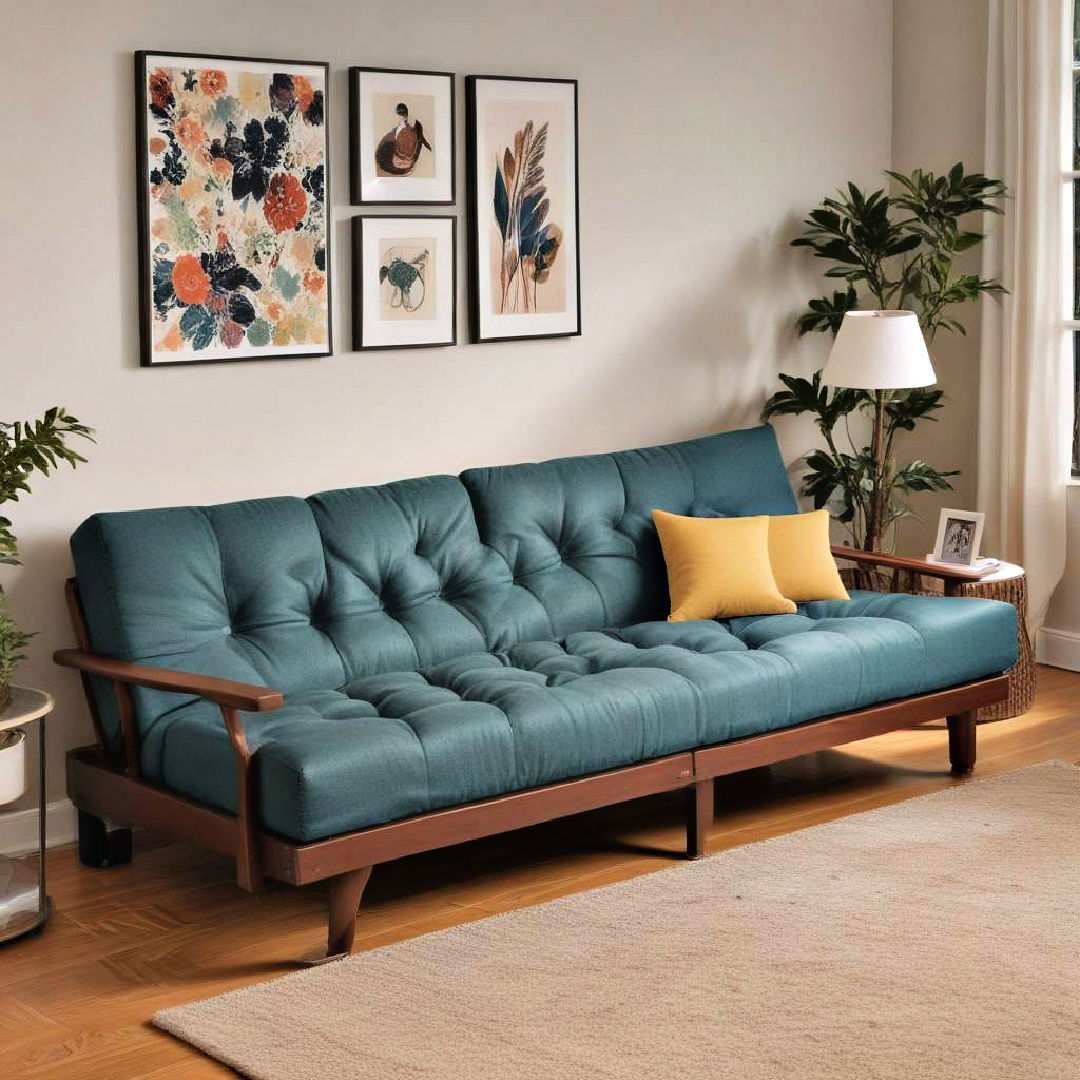
In the realm of 90s home decor, futons were a versatile and practical solution for limited spaces, serving both as seating and sleeping areas. These couch-bed hybrids often featured metal or wooden frames and were designed to be easily folded out, making them suitable for casual, multipurpose living spaces. By combining functionality with flexibility, futons became a staple in many 90s homes, particularly in smaller apartments and guest rooms.
23. Three-Dimensional Artistry
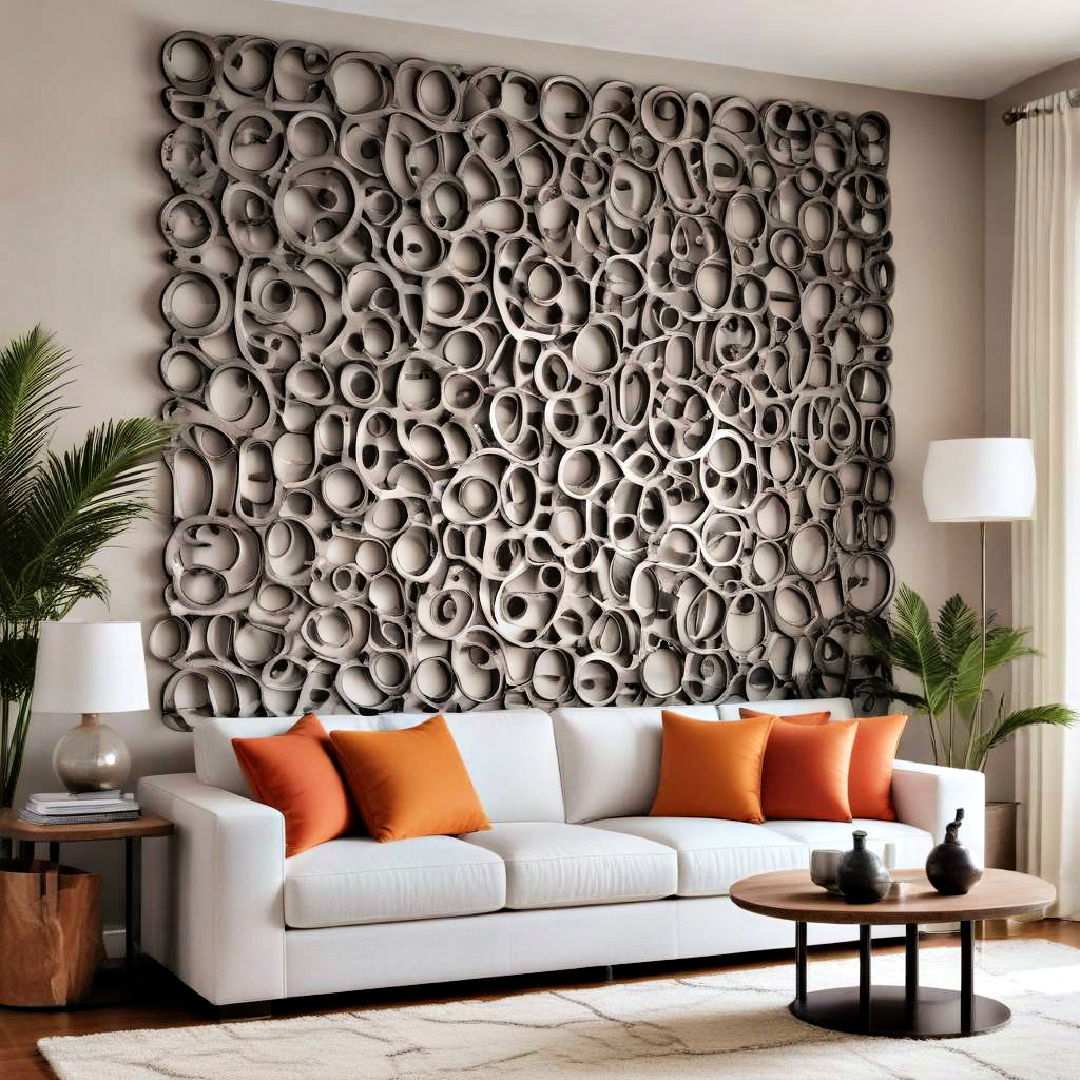
To add a modern, artistic touch to 90s interiors, homeowners often turned to large, sculptural wall art made from materials like metal and wood. Frequently abstract in design, these pieces served as focal points on walls, bringing a sense of dimensionality and creativity to otherwise plain spaces. This trend enabled homeowners to infuse their living rooms, hallways, or dining areas with visual interest and personality.
24. Eco-Friendly Accents
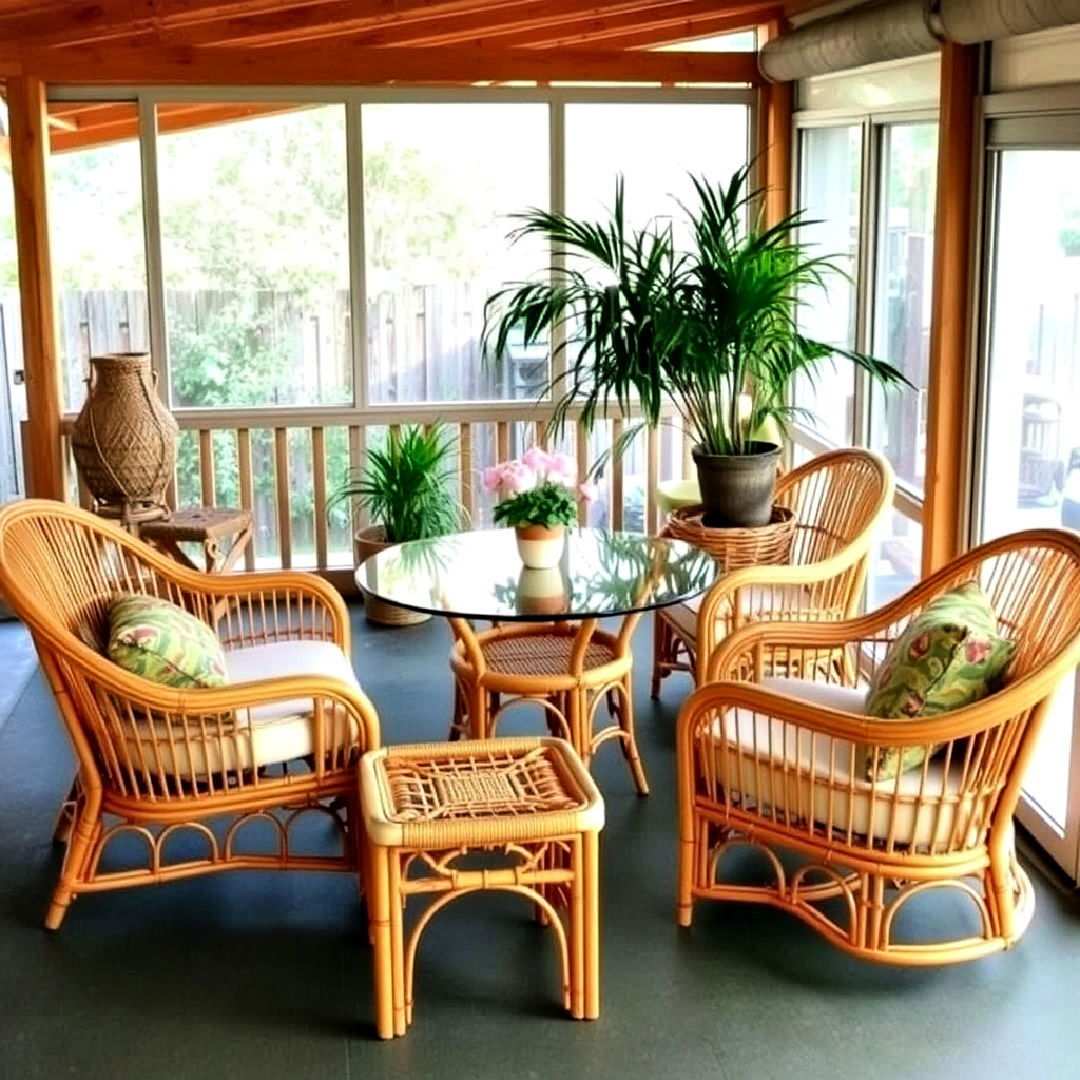
The 1990s saw a resurgence of bamboo and rattan furniture, which brought a natural, tropical feel to homes. Commonly found in sunrooms, patios, or beach-inspired interiors, these materials added a relaxed, outdoor vibe to living spaces. Lightweight yet durable, bamboo and rattan pieces were versatile and often paired with cushioned seating or glass tabletops to create a casual yet stylish setting that was perfect for indoor-outdoor living.
25. Rich, Earthy Hues
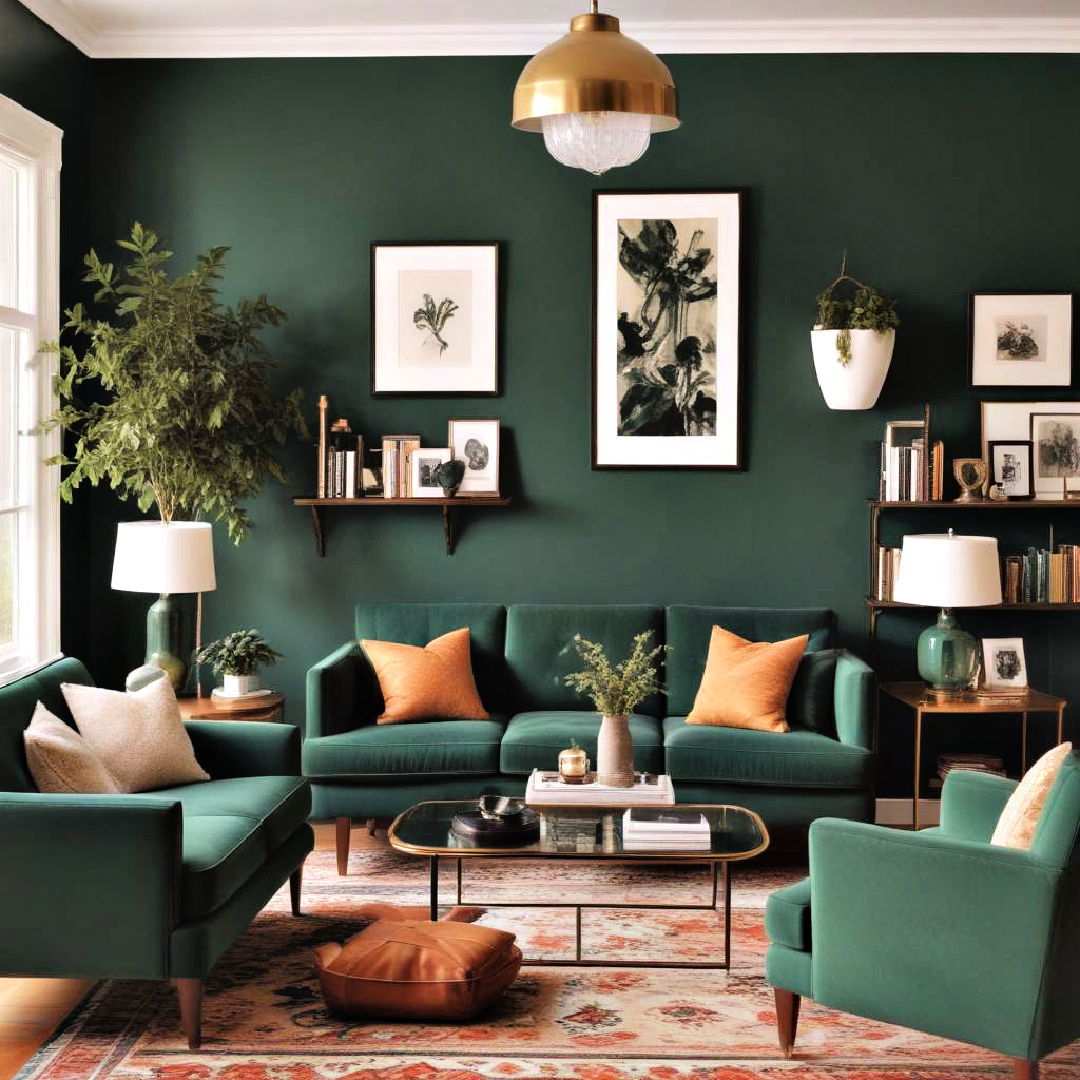
Hunter green was a signature color in 90s interiors, frequently used as an accent on walls, furniture, and accessories. This rich, deep green added a sense of luxury and calm to spaces, often paired with dark wood finishes and brass hardware. The trend was ideal for anyone seeking a sophisticated yet earthy touch, as it brought a classic color into a variety of interior styles and added warmth to living spaces.

Meet Tomas Clayton, a seasoned plant gardener who has been passionate about horticulture since he was a child. Tomas John developed a love for the natural world and a strong appreciation for the beauty of plants while growing up on a farm.