
1. Cultivating Space: The Art of Vegetable Garden Design
Maximizing space in a vegetable garden is not just about cramming in as many plants as possible; it’s about crafting a thoughtful and intentional design that optimizes growth and yield. By embracing innovative strategies and clever techniques, even the most modest urban balcony can be transformed into a lush and productive oasis. With the right approach, you can grow a diverse array of fresh, nutritious vegetables right in the comfort of your own home.
2. Elevating Growth: The Benefits of Raised Garden Beds
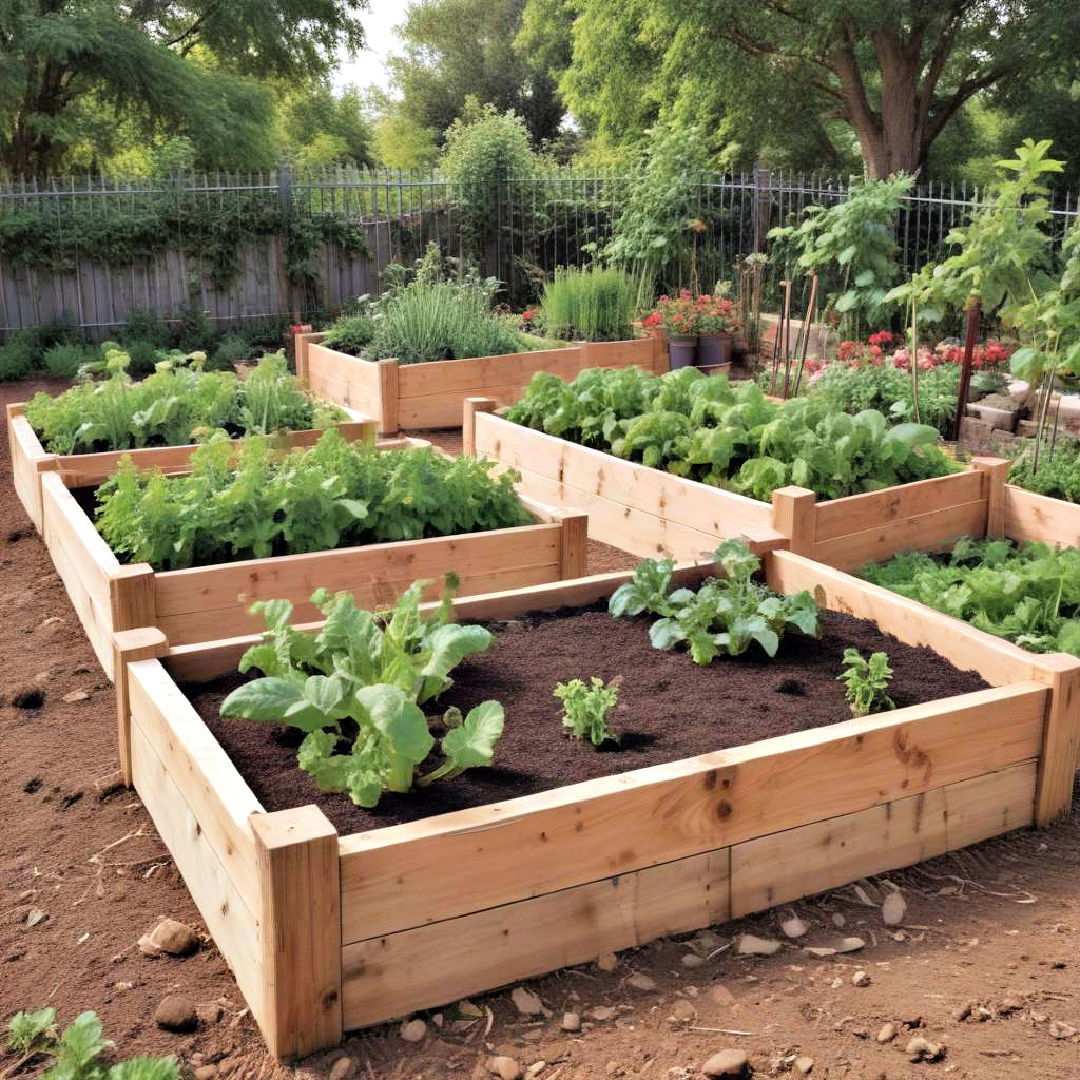
Think of raised garden beds as bespoke containers for your crops, carefully crafted to promote healthy growth and ease of maintenance. By elevating your plants, you can improve drainage, prevent soil compaction, and significantly reduce weed growth. Plus, raised beds make planting, weeding, and harvesting a breeze, freeing you to focus on other essential garden tasks. With options ranging from wood to metal to plastic, these versatile boxes can be tailored to fit any garden space, seamlessly integrating with beautiful backyard features like gazebos.
3. Reaching New Heights: The Power of Vertical Gardening
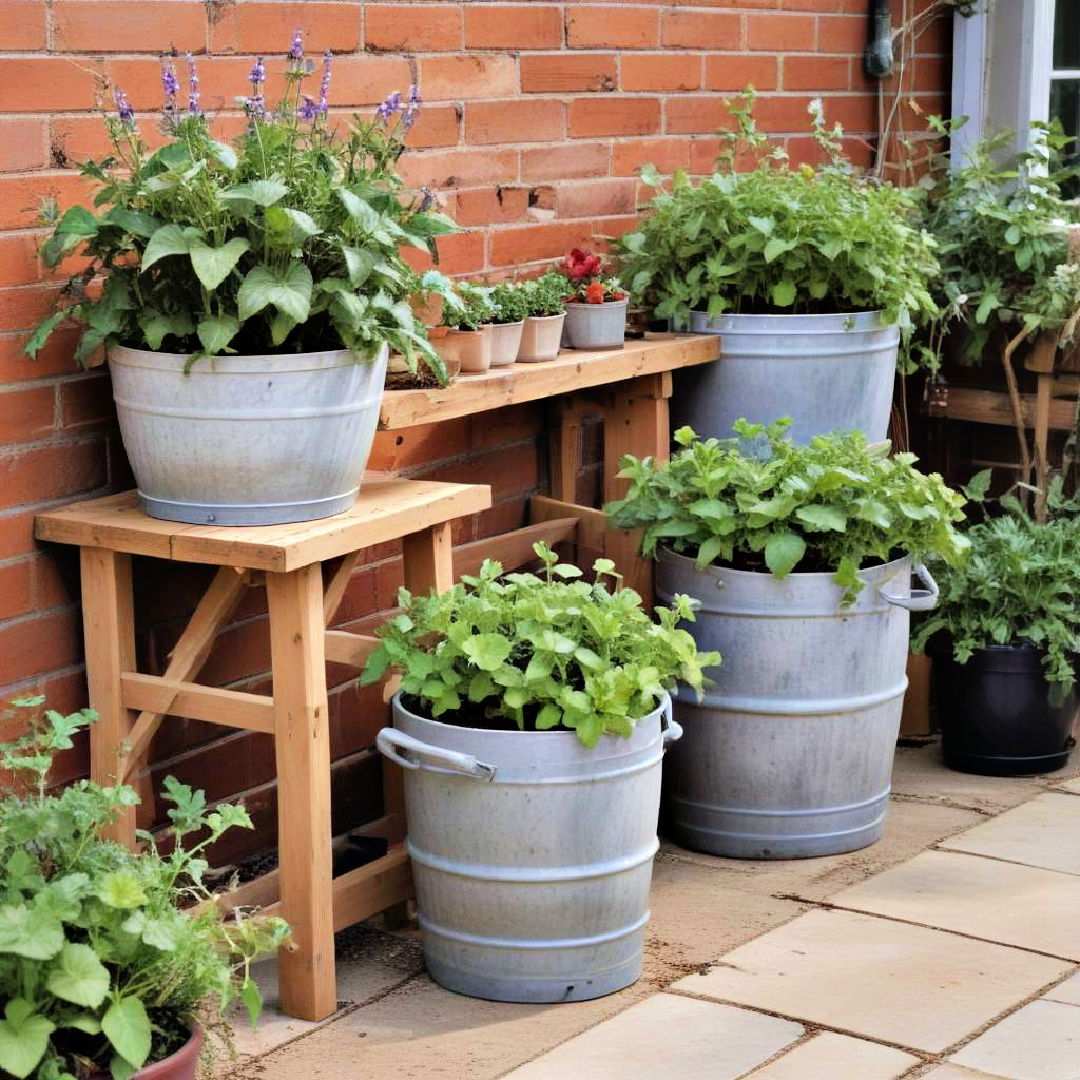
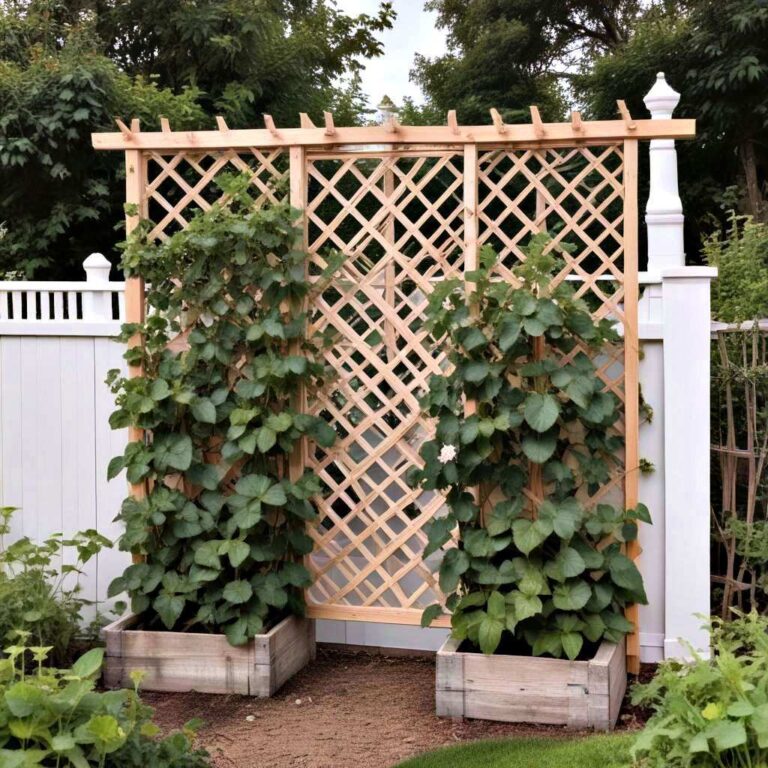
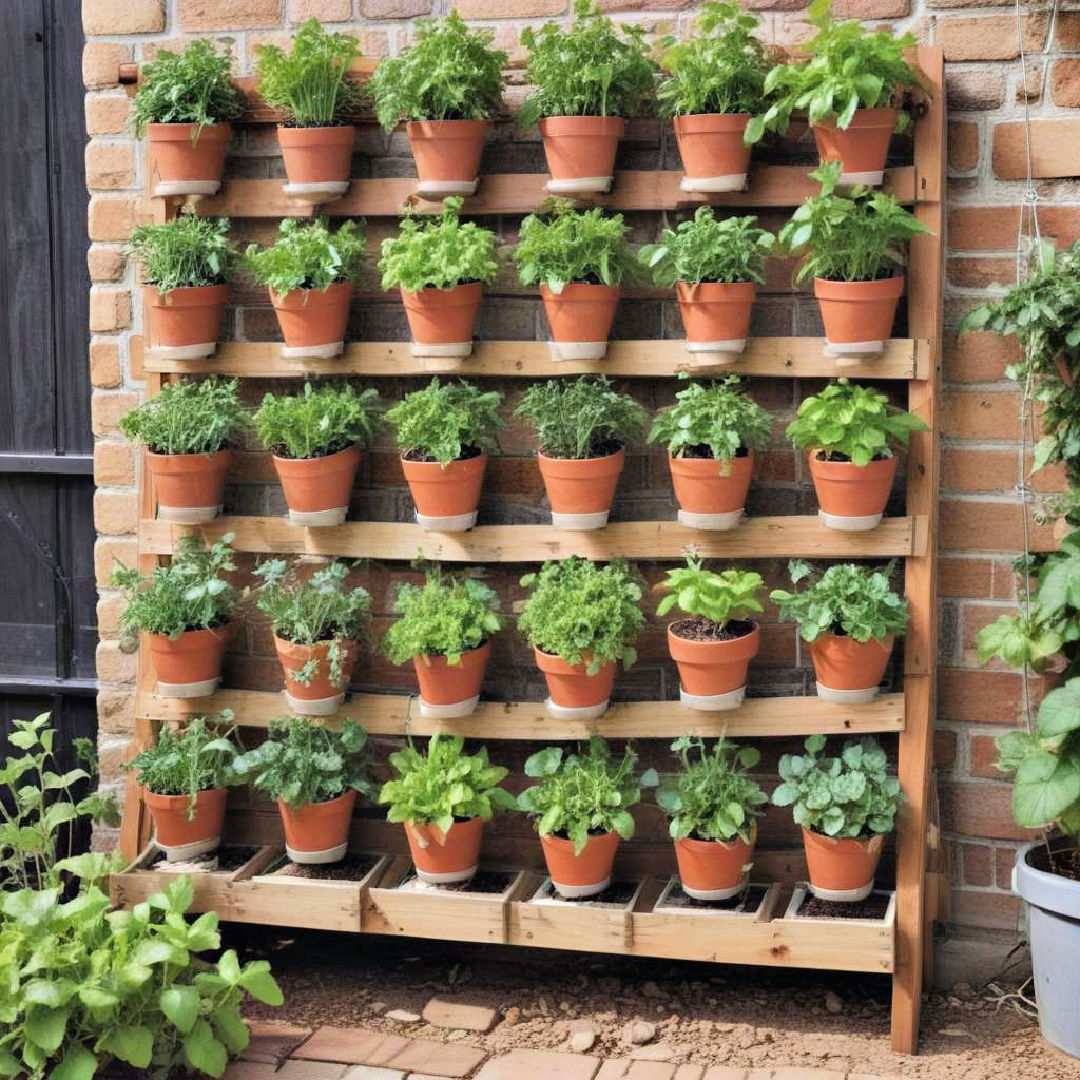
Vertical gardening is the perfect solution for small spaces, allowing you to make the most of every inch with clever and resourceful vertical garden ideas. By using shelves, hanging pots, or trellises, you can grow plants upwards instead of outwards, creating a stunning display of foliage and blooms. This space-saving approach is particularly well-suited for those working with limited budgets or small backyard spaces, and is a great way to showcase popular plants like peas, beans, and tomatoes.
4. Beyond Traditional Soil: The Efficiency of Hydroponic Systems
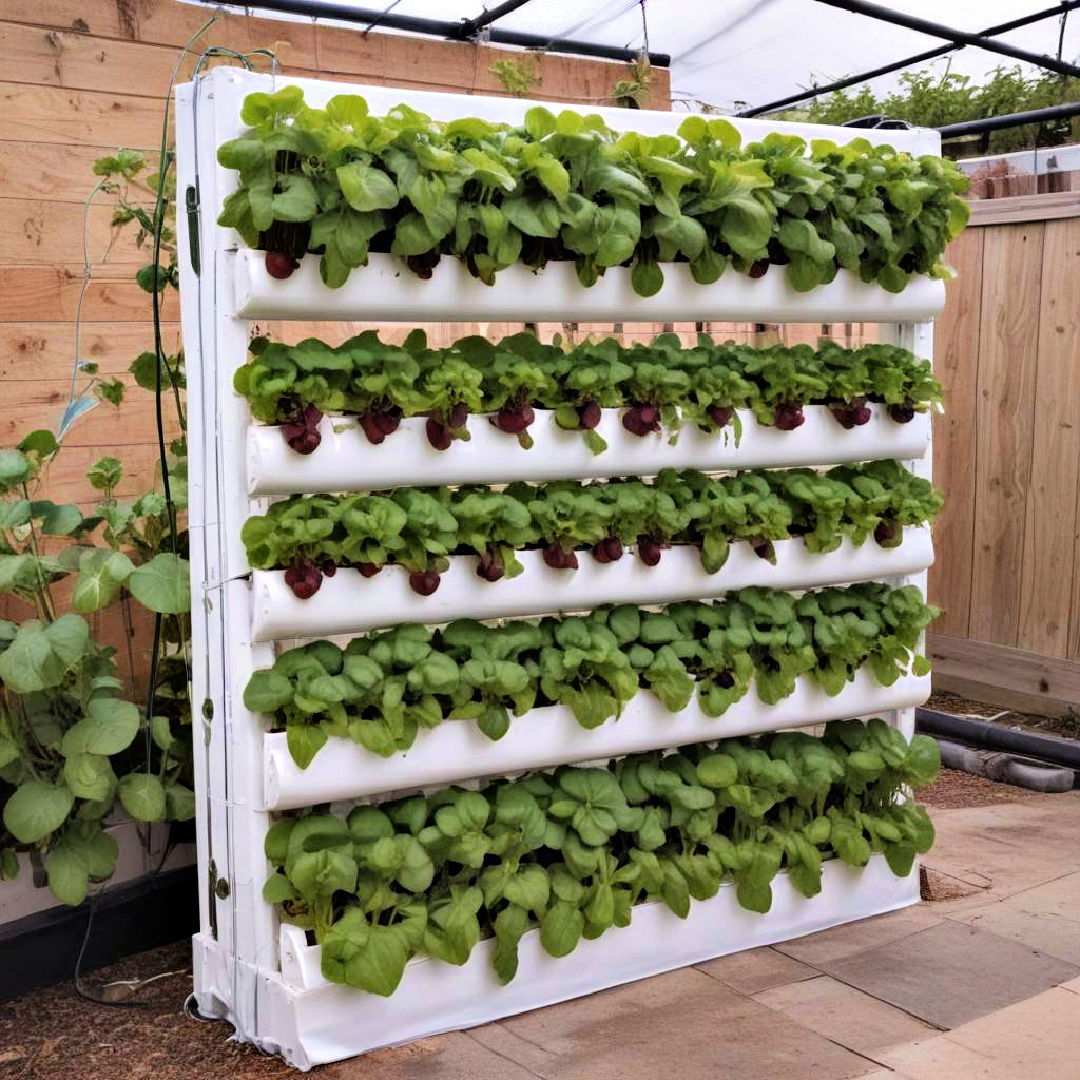
Hydroponic systems take a revolutionary approach to gardening by growing plants without the need for soil. Instead, they utilize nutrient-rich water solutions to deliver essential nutrients directly to the roots. This efficient method reduces the risk of soil-borne diseases and pests, while also using significantly less water than traditional gardening practices. Ideal for leafy greens and herbs, hydroponics can be set up indoors or outdoors, making it an attractive option for gardeners of all skill levels.
5. Optimizing Yield: The Benefits of Square Foot Gardening
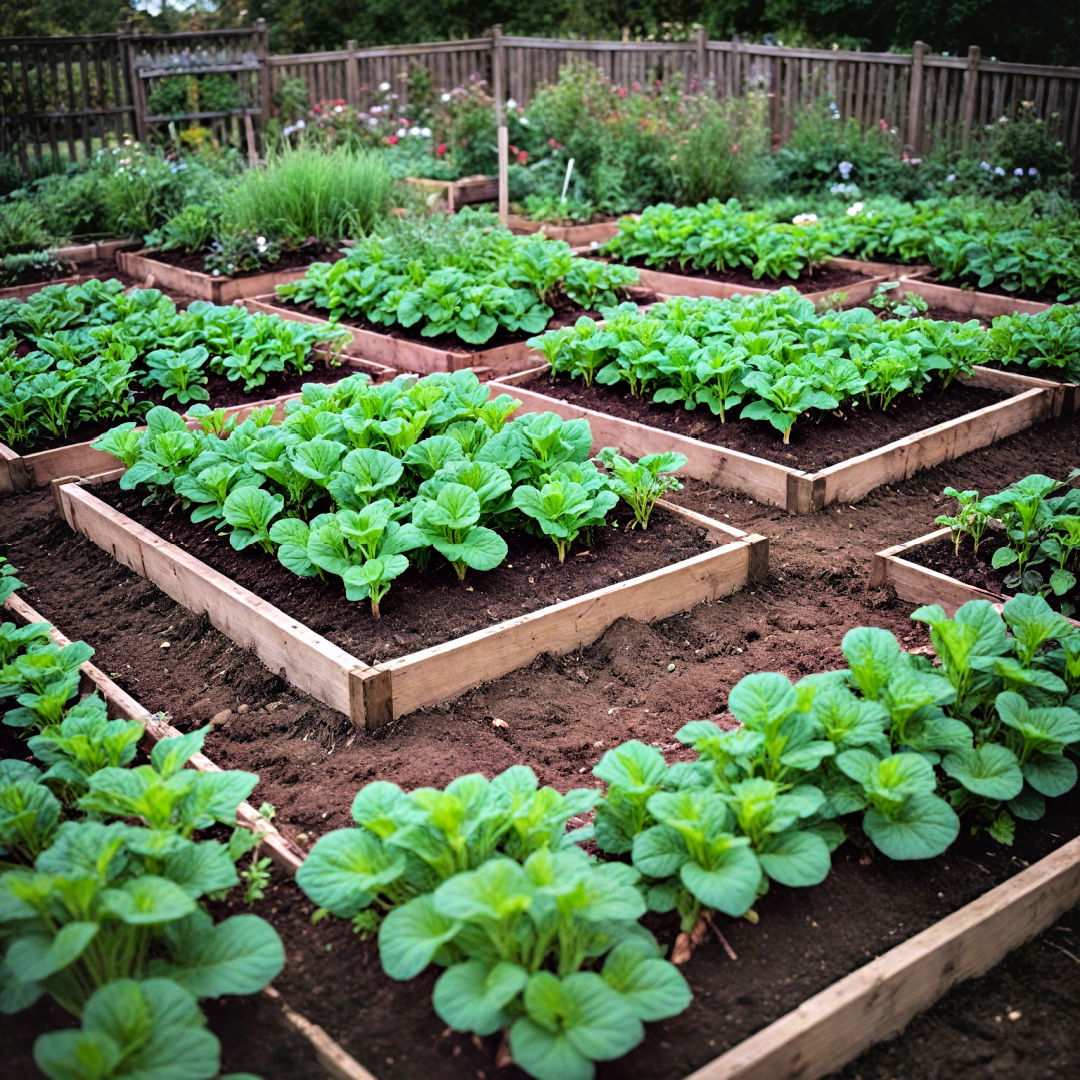
Square foot gardening takes a thoughtful approach to space optimization, dividing your growing area into small, manageable sections. By planting crops closely together, you can minimize weeds and maximize productivity, resulting in higher yields and greater efficiency. Perfect for beginners, this method simplifies planning and ensures that every inch of space is utilized to its full potential. As a result, it’s an excellent fit for budget-friendly backyard makeover ideas that prioritize functionality and productivity.
6. Strategic Garden Pairings
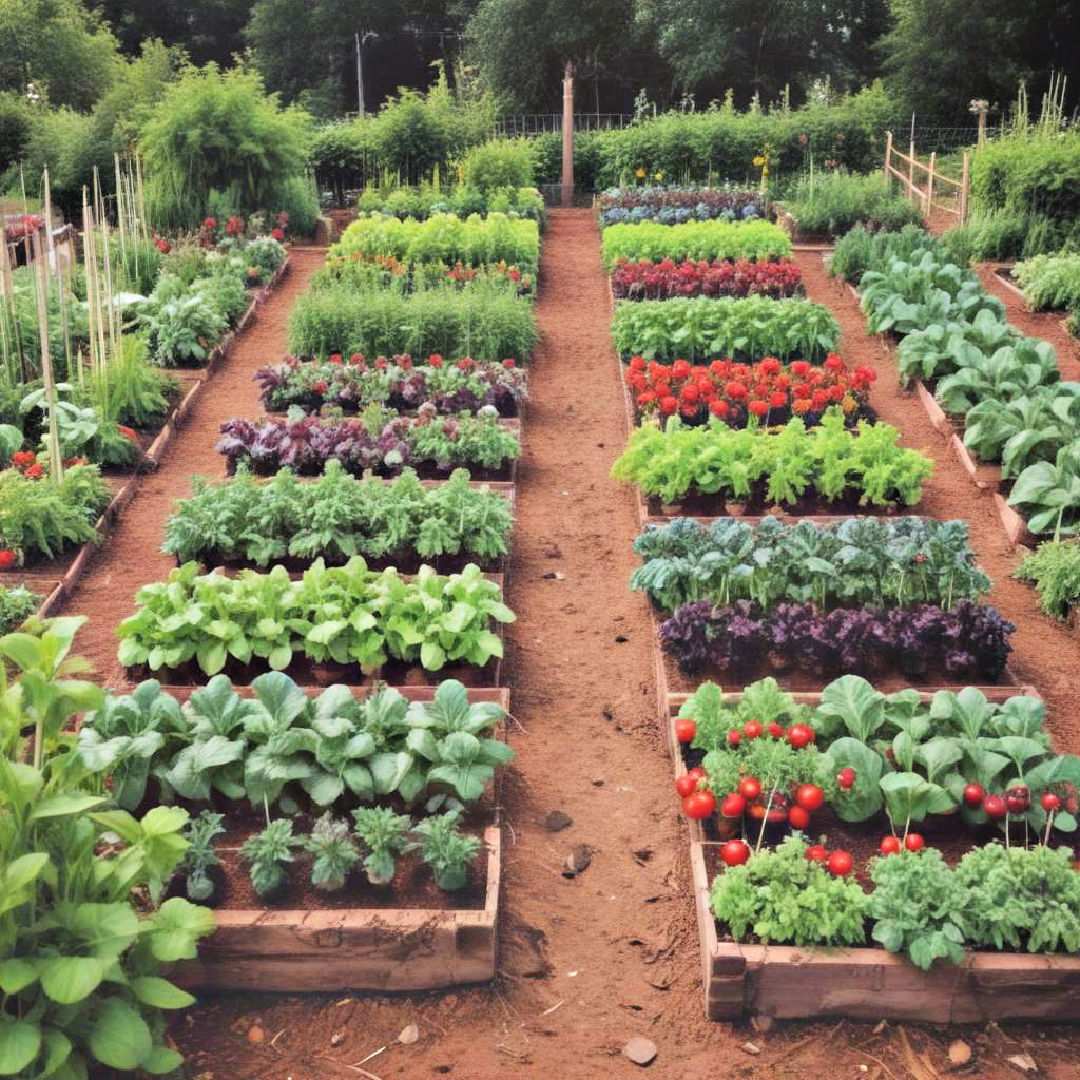
Intentional planting techniques, like companion planting, bring diverse plant benefits. By pairing plants strategically, growers can repel pests, enhance growth, and boost biodiversity, leading to a healthier garden ecosystem. For instance, tomato growth can be improved by planting basil nearby, making it a beneficial herb garden idea. This approach also deters pests and enhances nutrient uptake, creating a resilient garden system.
7. Circular Compost Systems
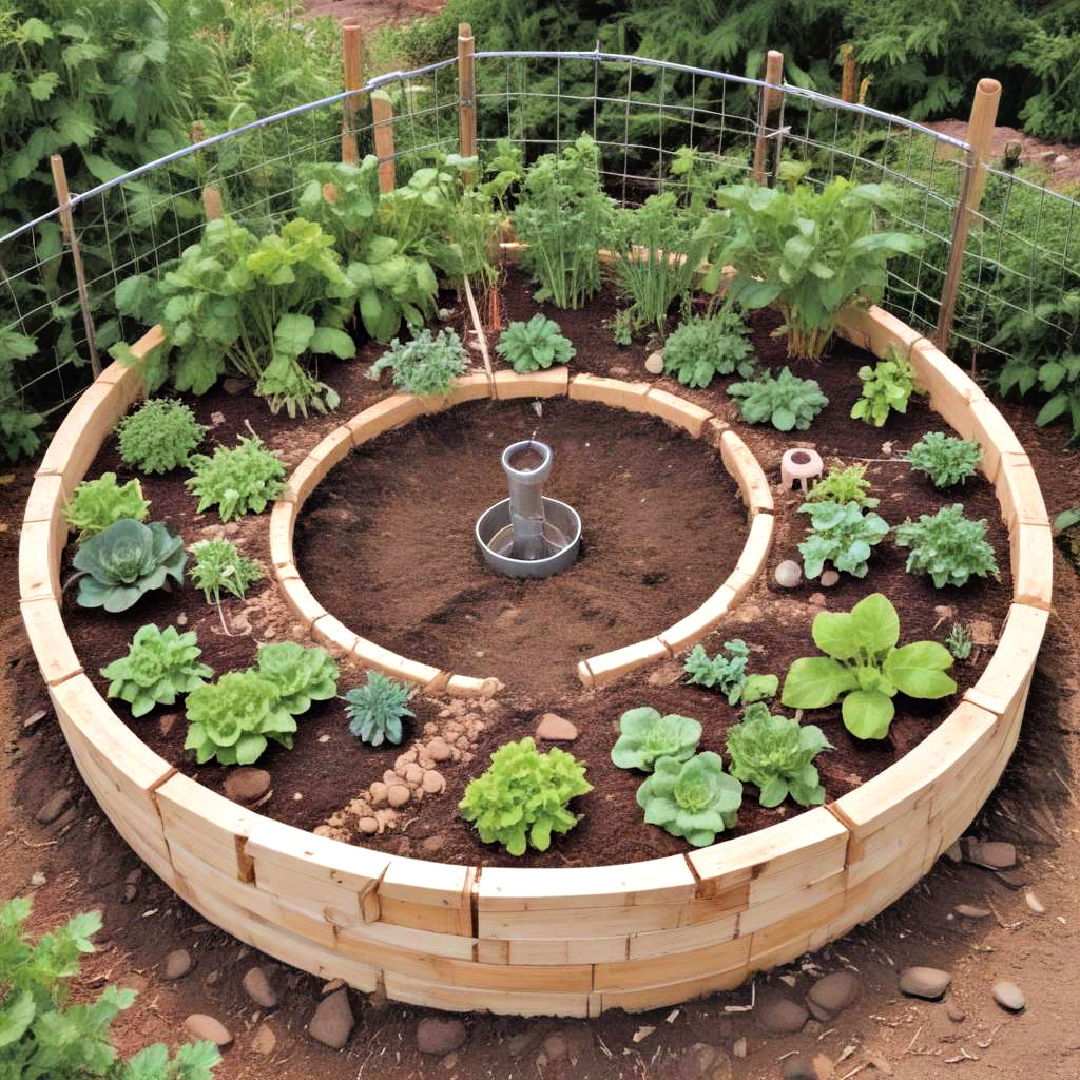
Keyhole gardens seamlessly integrate composting with gardening practices. Their unique circular design features a central compost basket, allowing for efficient kitchen waste management. This method not only conserves water but also optimizes space, creating nutrient-rich soil perfect for vegetables. Particularly beneficial for areas with poor soil quality, keyhole gardens reduce waste and promote a self-sustaining garden ecosystem.
8. Elevated Planting Beds
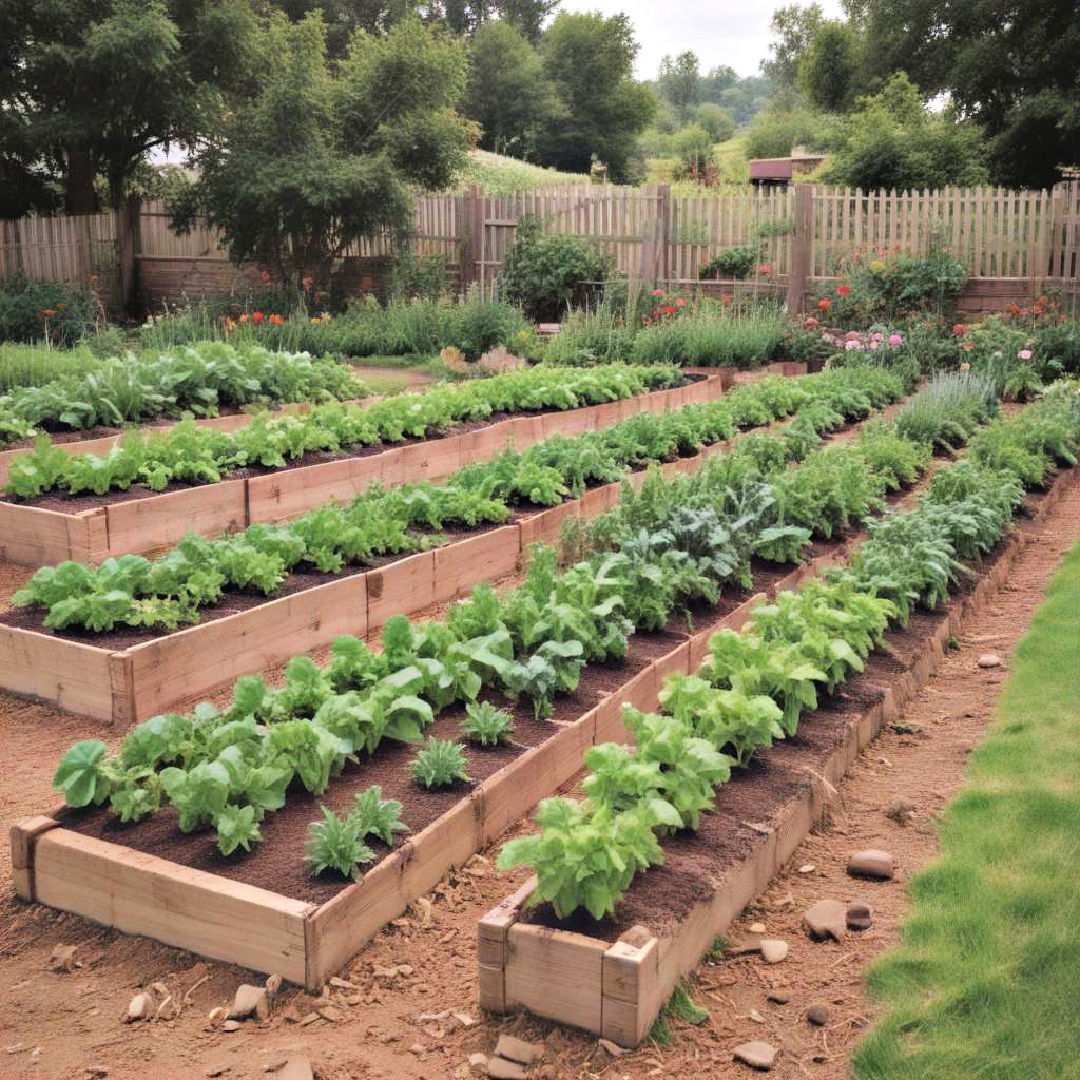
Practical backyard garden ideas for a productive harvest can start with raised row gardens. This low-maintenance approach creates raised mounds of soil for planting, improving water drainage and root growth. As a result, soil compaction and erosion are minimized, making it ideal for root vegetables like carrots and potatoes. Raised row gardens are a great way to transform your outdoor space into a thriving vegetable garden.
9. Layered Soil Enrichment
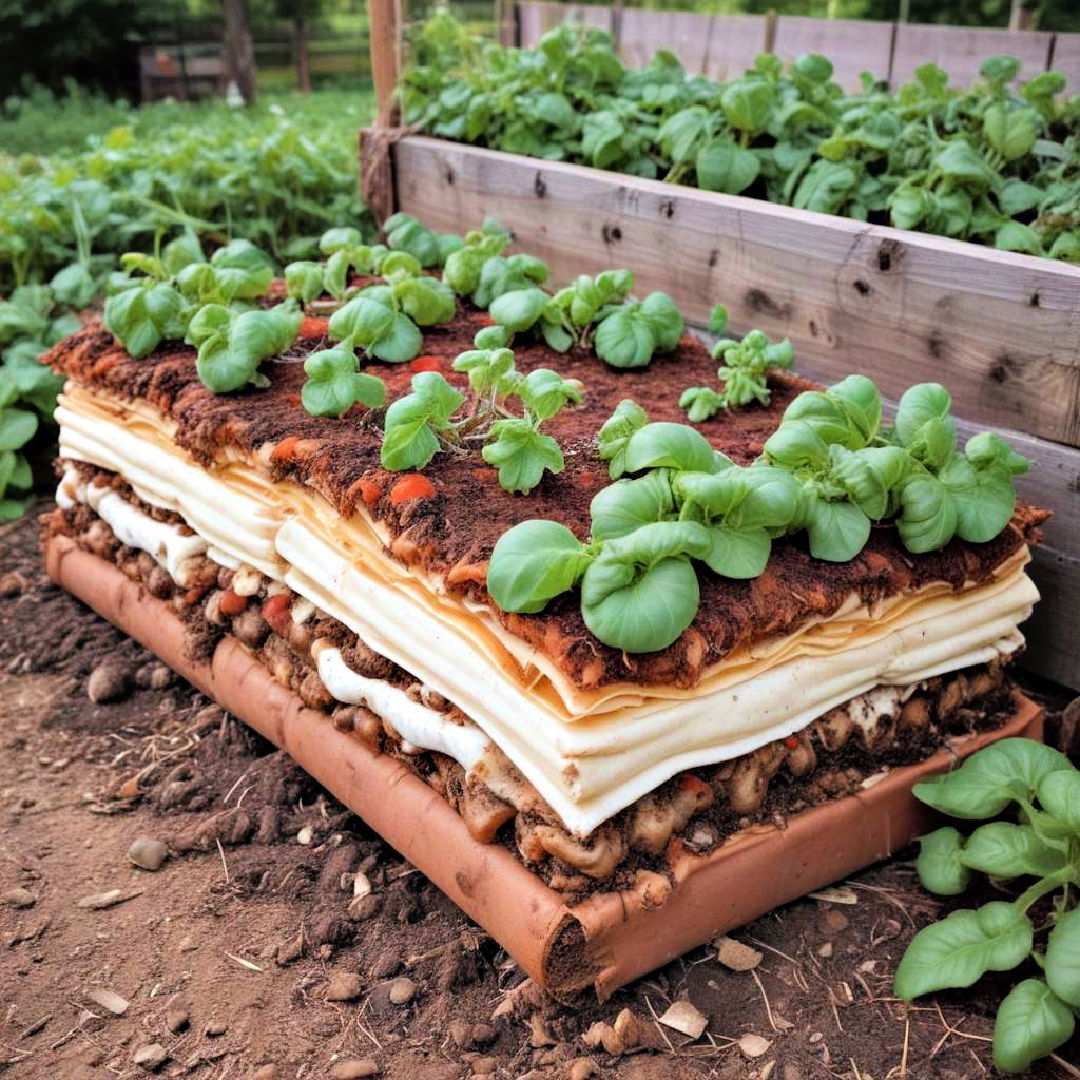
Lasagna gardening, or sheet composting, builds up the soil by layering organic materials. Starting with a cardboard or newspaper base, you add layers of compost, leaves, and straw, effectively enriching the soil over time. This approach reduces weeds and minimizes soil disturbance, making it suitable for nutrient-hungry plants. As the layers break down, the soil becomes more fertile, supporting healthy plant growth.
10. Soil Preservation Methods
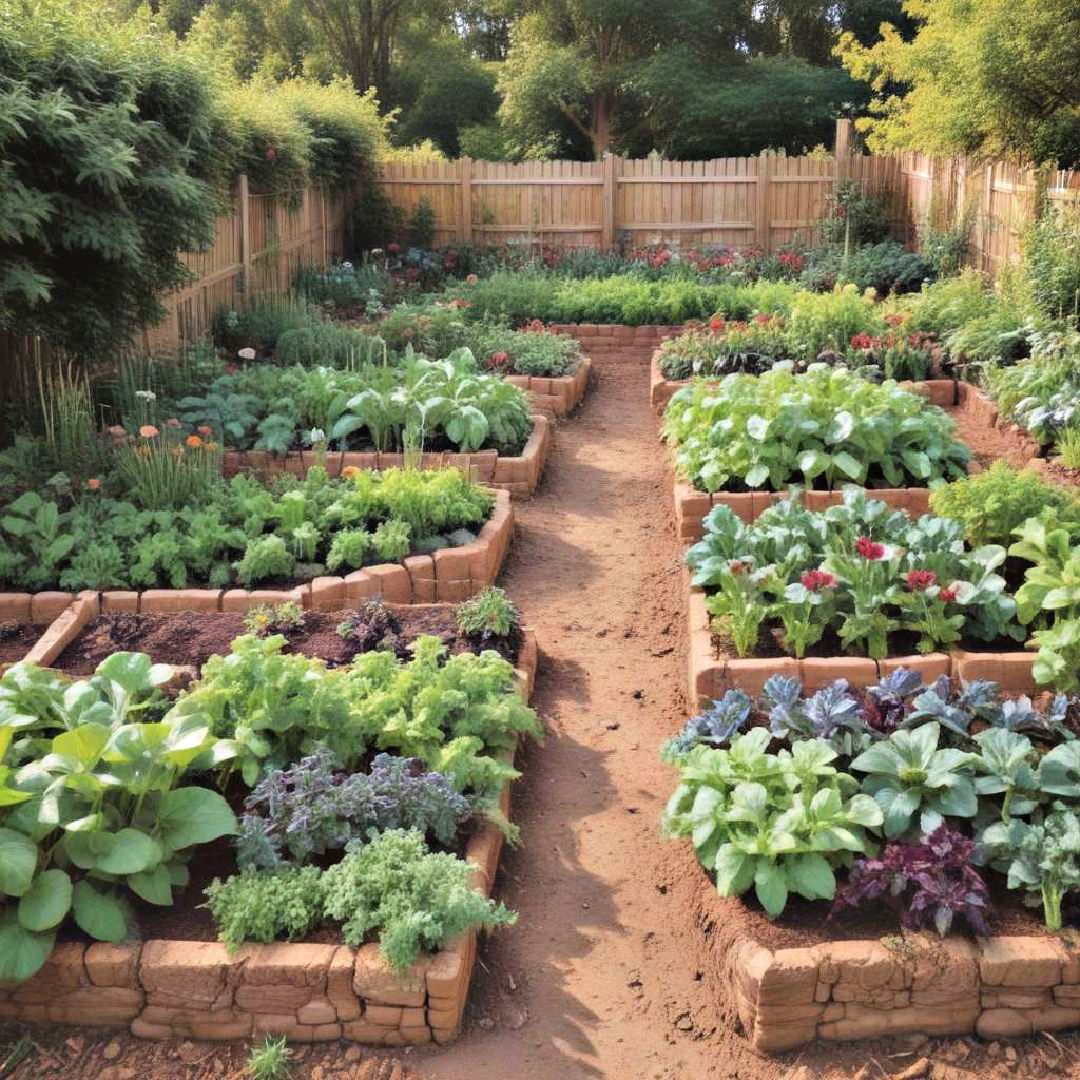
No-dig gardens prioritize soil health and structure by adding layers of organic materials on top. This approach avoids disturbing the existing soil, creating an environment where beneficial organisms and fungi can thrive. Improved drainage and reduced weed growth are additional benefits of this method. Ideal for busy gardeners, no-dig gardens offer a low-effort yet productive approach to gardening, perfect for those short on time.
11. Elevated Container Gardens
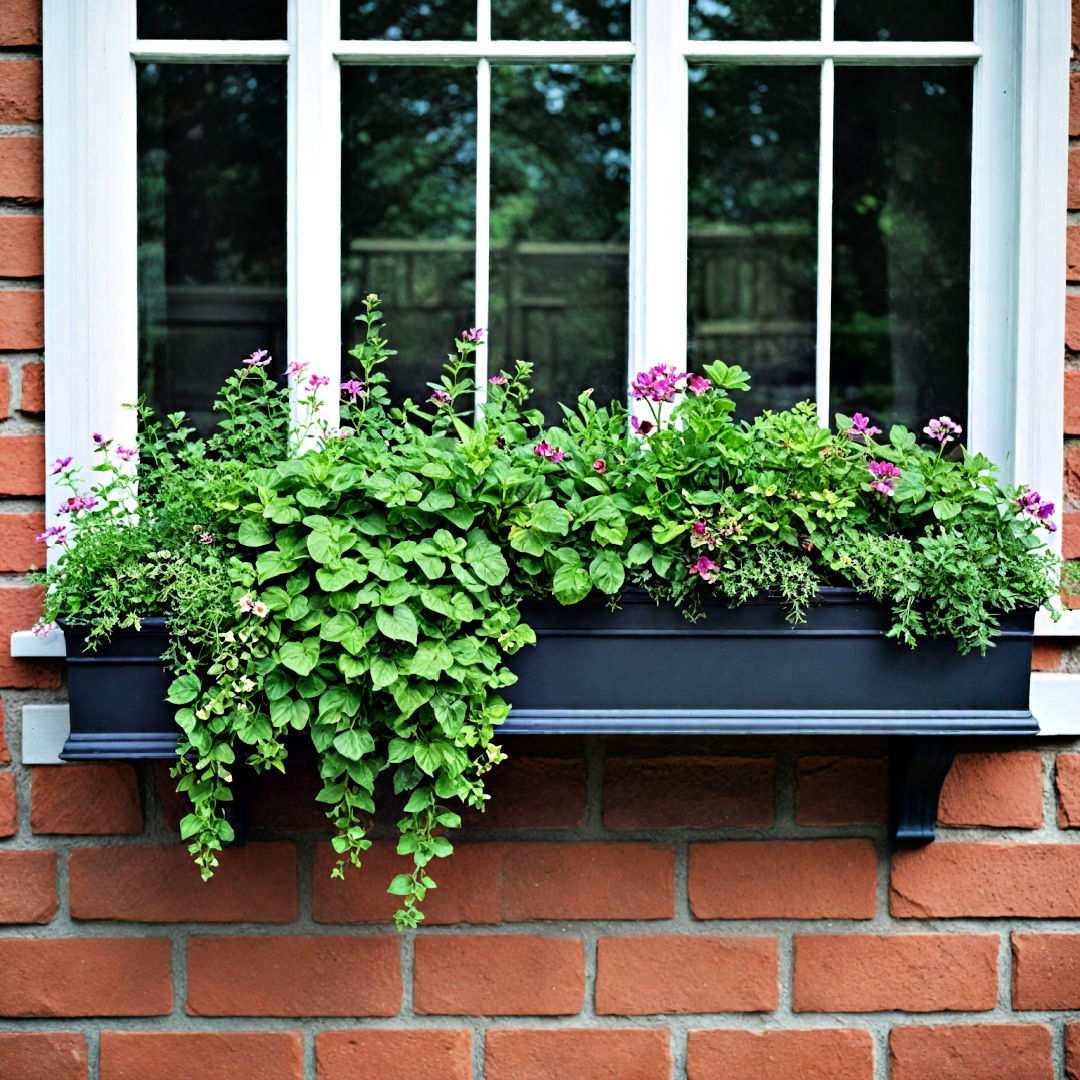
Window box gardens bring greenery to your windowsills, adding curb appeal and functionality. These elevated containers are perfect for growing herbs, flowers, or small vegetables, requiring minimal maintenance. As they are less prone to pests and offer easy access for watering and harvesting, window box gardens are ideal for urban dwellers or those with limited space, providing a convenient way to enjoy fresh produce.
12. Wood-Based Soil Enhancement
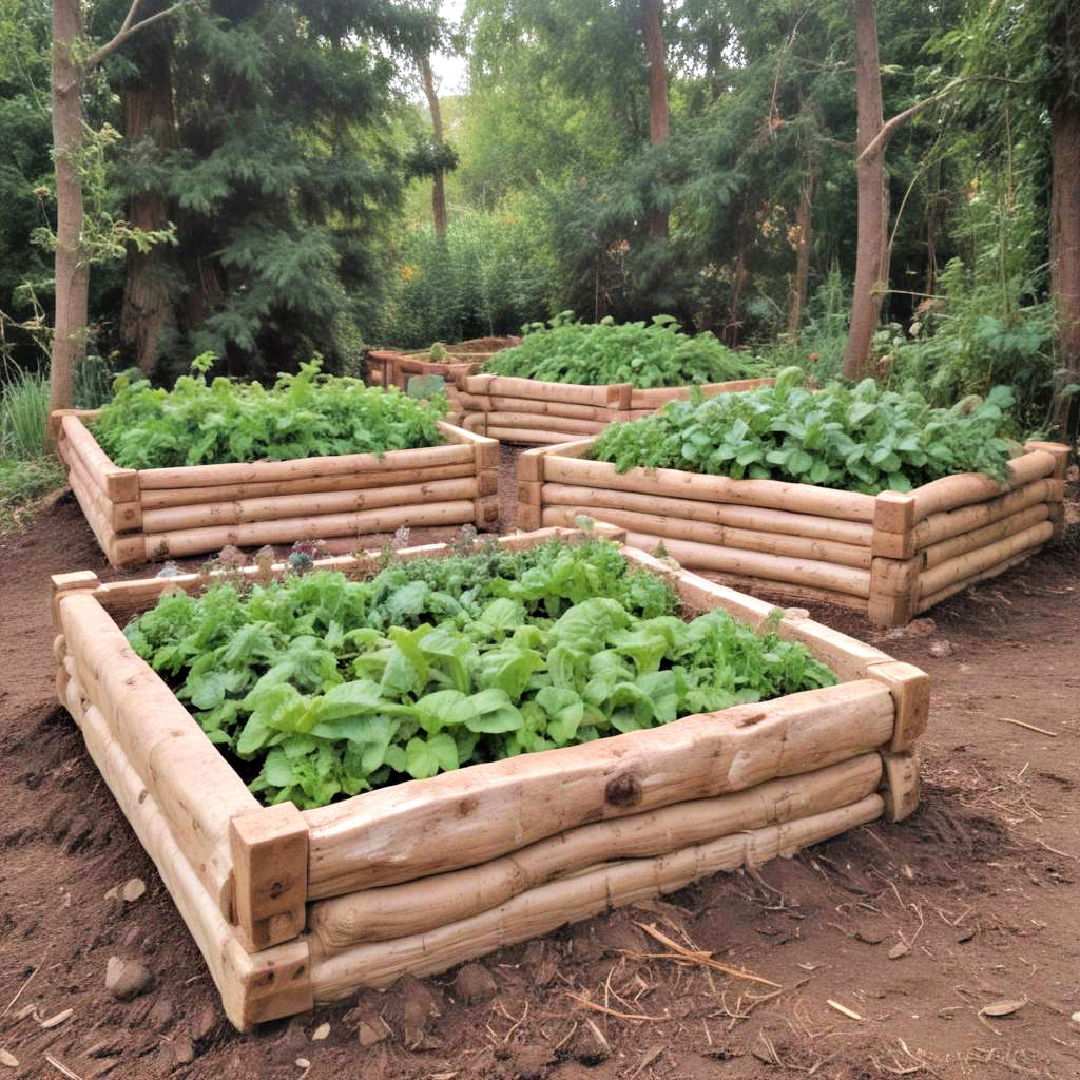
Hugelkultur beds involve creating raised beds filled with decaying wood and other organic materials. As the wood decomposes, it enriches the soil and retains moisture, reducing the need for watering. This method significantly improves soil fertility over time, supporting diverse plantings, from vegetables to flowers. By utilizing decaying wood, hugelkultur beds offer a sustainable and effective way to maintain a thriving garden ecosystem.
13. Controlled Growing Environments
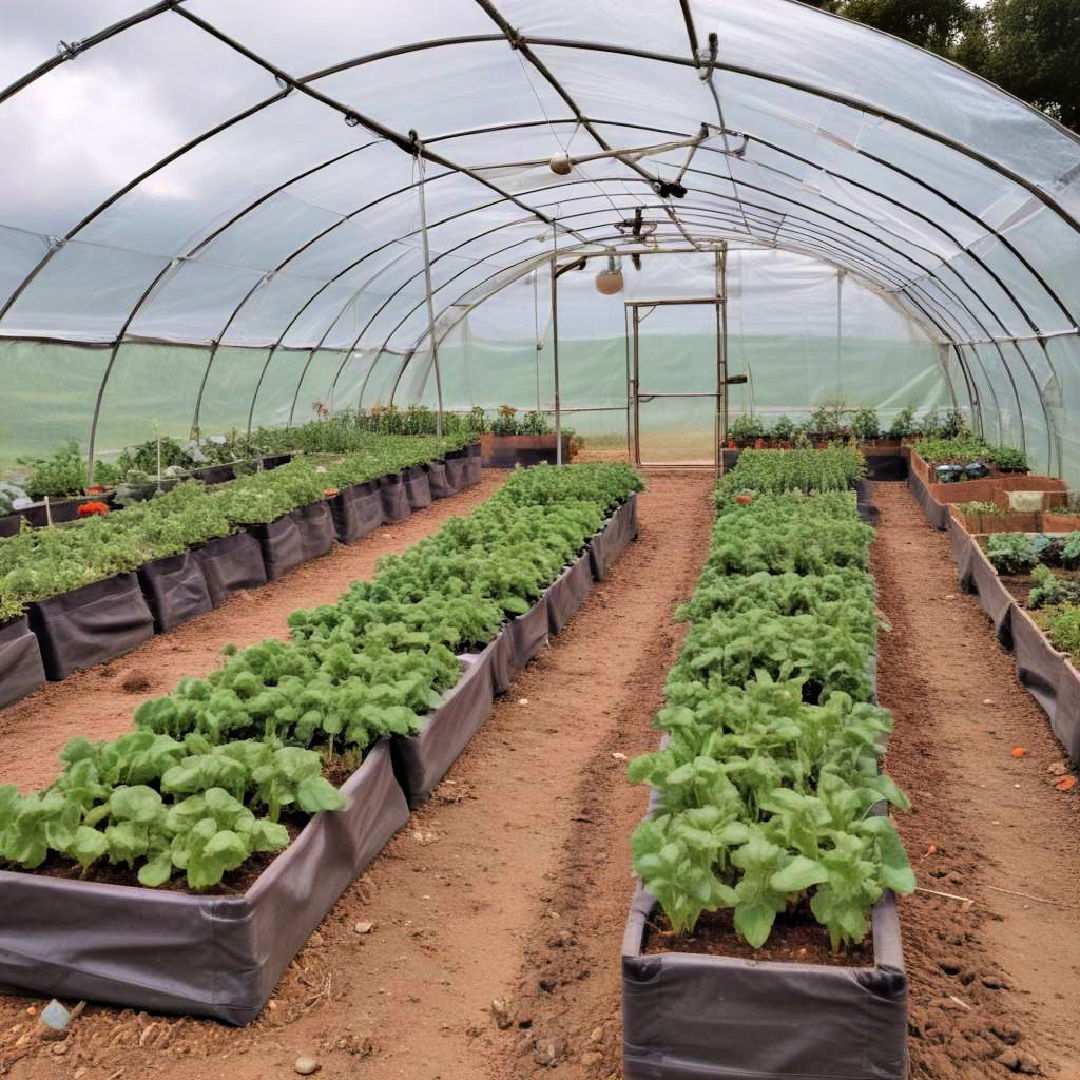
Polytunnels are versatile, protective structures made from polyethylene that create a controlled environment ideal for extending growing seasons and protecting plants from harsh weather. These structures provide a wide range of benefits, from maintaining consistent temperatures to protecting crops from pests, making them perfect for a variety of veggies and fruits. With polytunnels, gardeners can enjoy a longer growing season and healthier crops, regardless of the weather conditions.
14. Vertical Herb Gardens
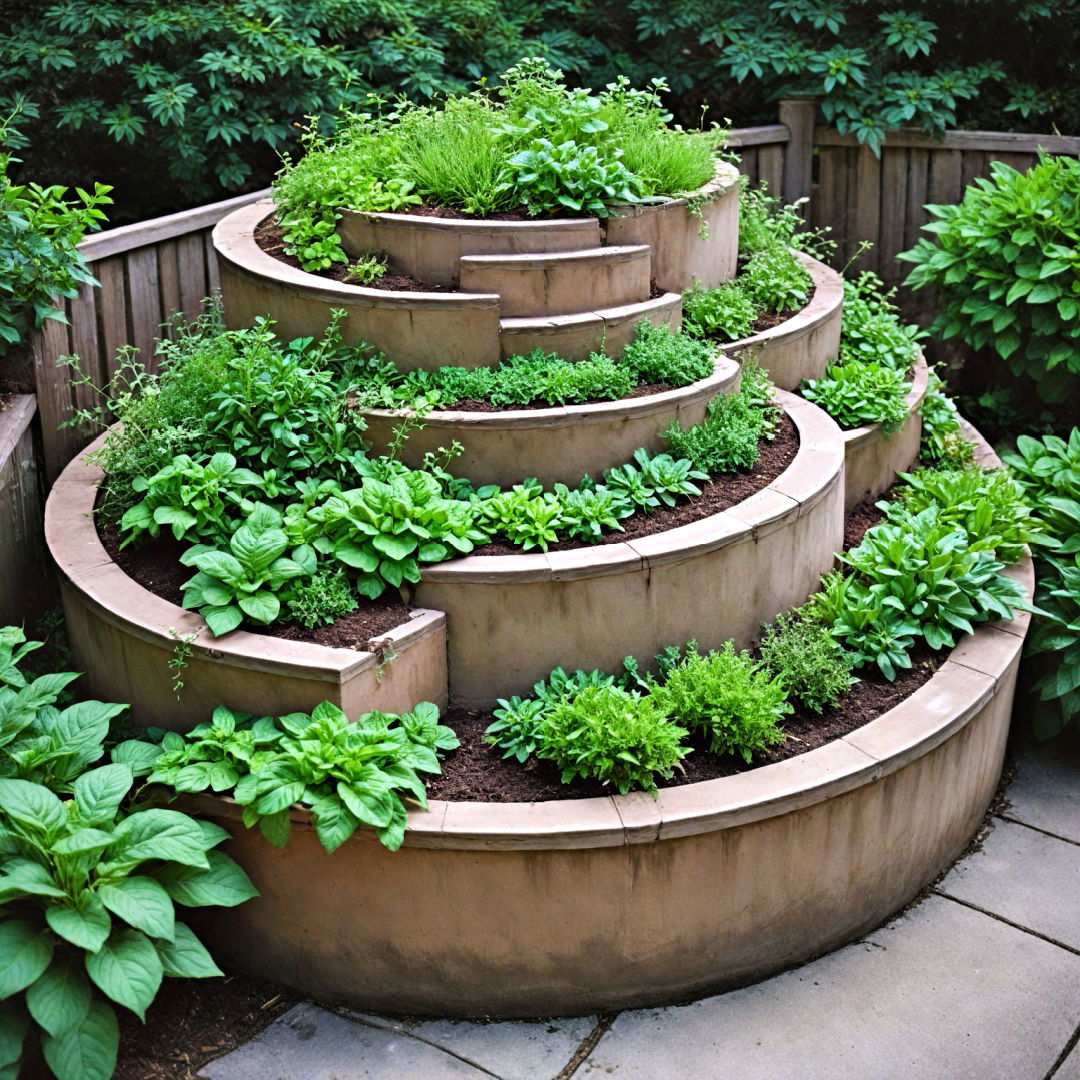
Vertical herb gardens, also known as herb spirals, are an innovative vertical gardening technique specifically designed for cultivating a diverse range of herbs in a compact space. By creating spiral mounds, these gardens optimize space, create multiple microclimates, and provide easy access to the plants. This design allows for a visually appealing and practical arrangement of herbs, making it an attractive option for gardeners and homeowners alike.
15. Urban Veggie Oasis
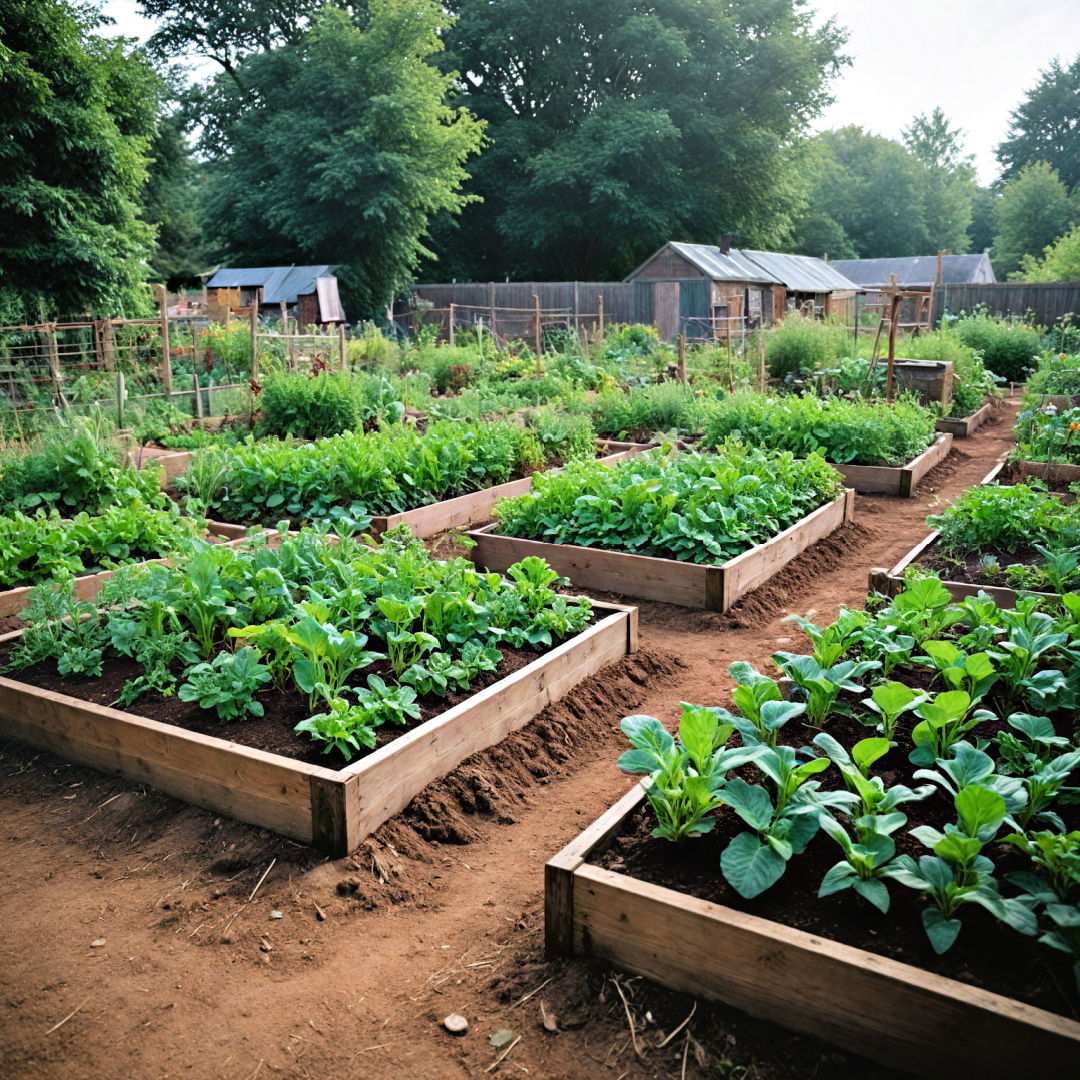
Incorporate simple and inspiring veggie garden ideas into your urban environment by exploring community gardens. These shared spaces offer a unique opportunity for individuals to come together and cultivate crops. Community gardens foster a sense of community, provide access to fresh produce, and promote resource sharing among gardeners. This collective effort makes it an excellent option for urban dwellers and a great way to create a thriving veggie oasis.
16. Integrated Aquaculture Systems
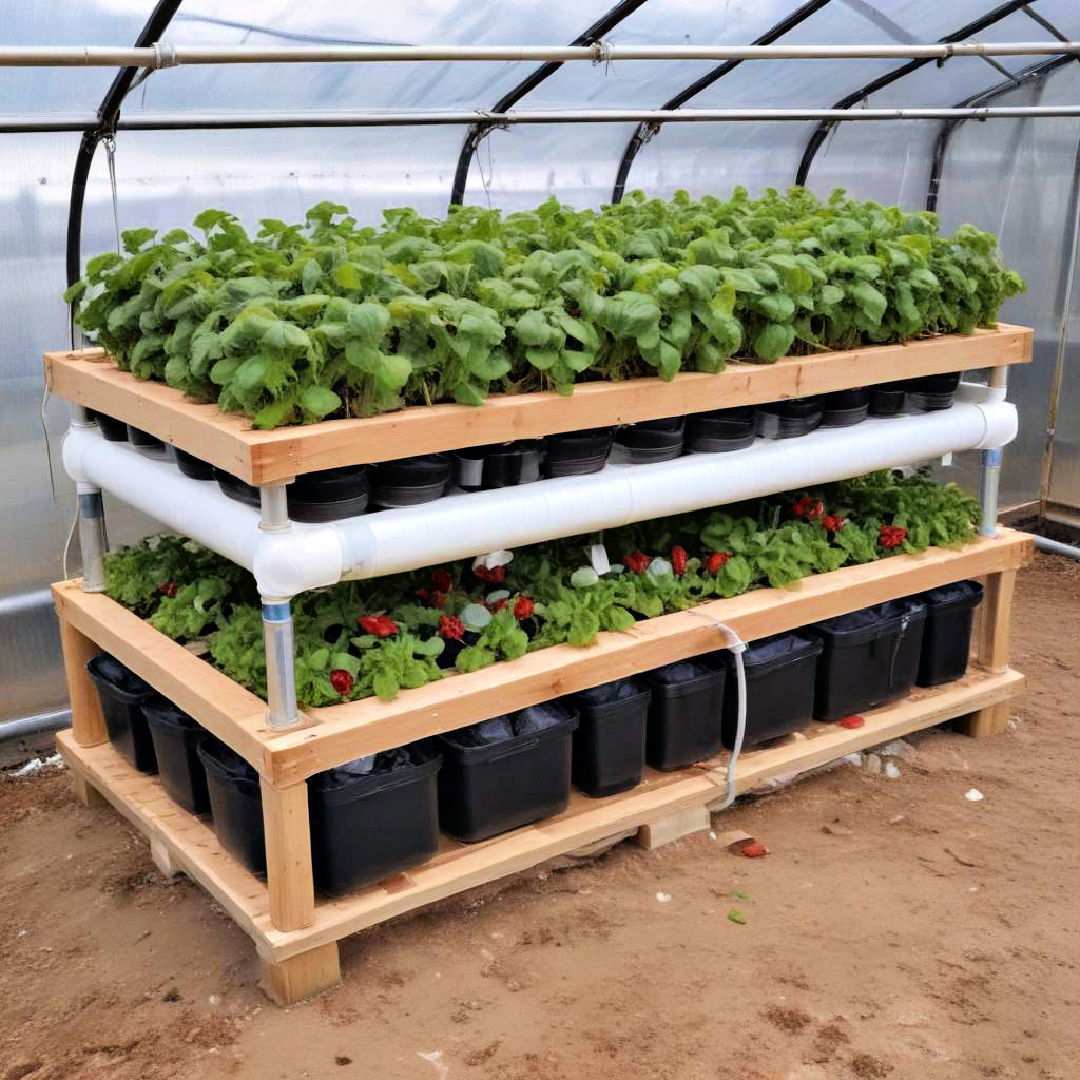
Aquaponic systems bring together fish farming and hydroponics in a mutually beneficial relationship. Fish waste serves as a nutrient-rich fertilizer for plant growth, while plants help filter and clean the water for the fish. This symbiotic relationship enables sustainable food production, minimizing water usage and optimizing resource efficiency. Suitable for a variety of crops, including leafy greens, herbs, and even some fruits, aquaponic systems offer a unique and efficient way to cultivate food.
17. Photoperiodic Lighting Systems
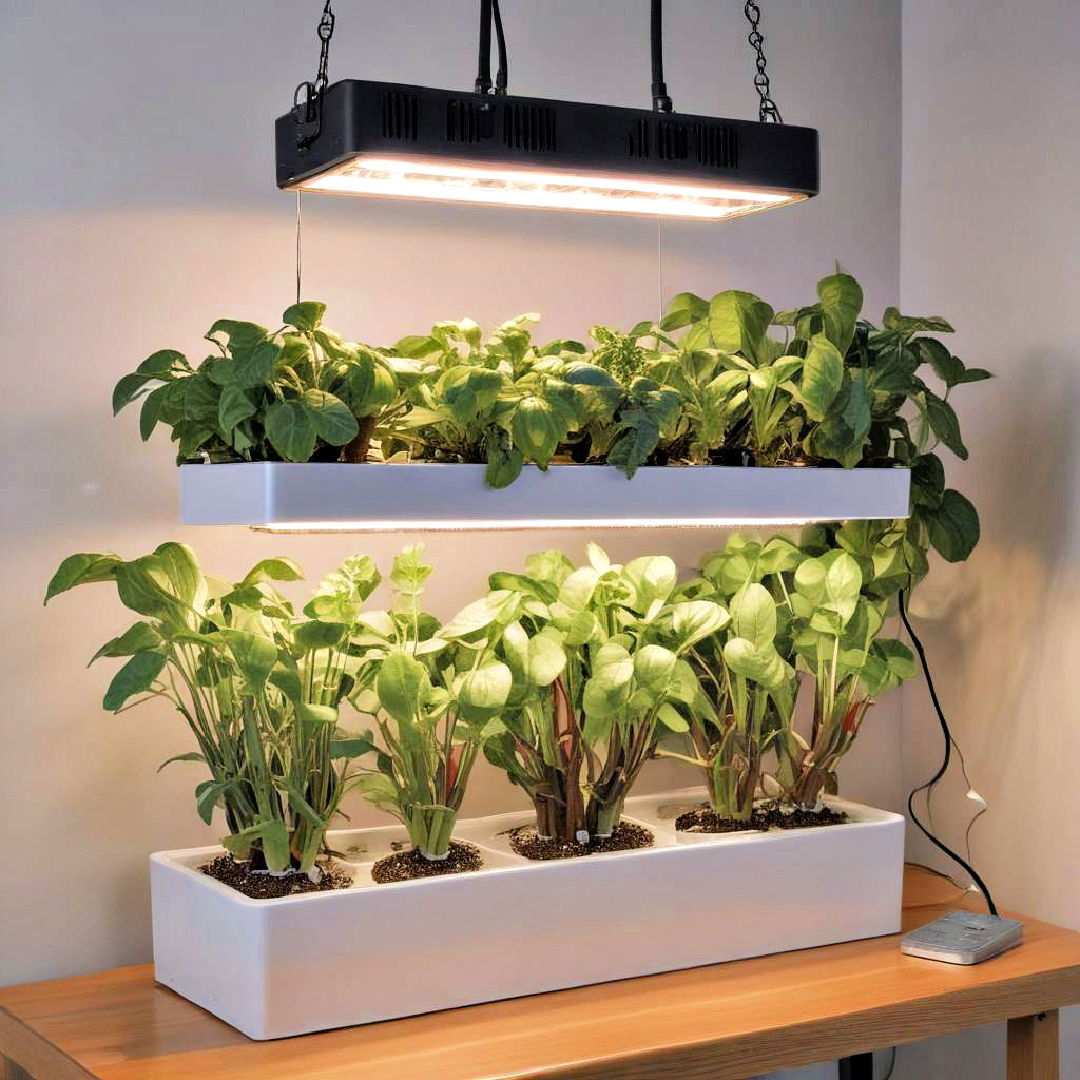
Indoor grow lights provide the perfect solution for gardening enthusiasts who want to cultivate plants indoors year-round. By replicating sunlight, these lights allow for precise control over growing conditions. Adjustable light spectrums cater to different growth stages, from seedlings to mature plants. This flexibility makes indoor grow lights an ideal choice for apartment gardening, enabling gardeners to cultivate a wide range of herbs, veggies, and flowers.
18. Insulated Bedding Systems
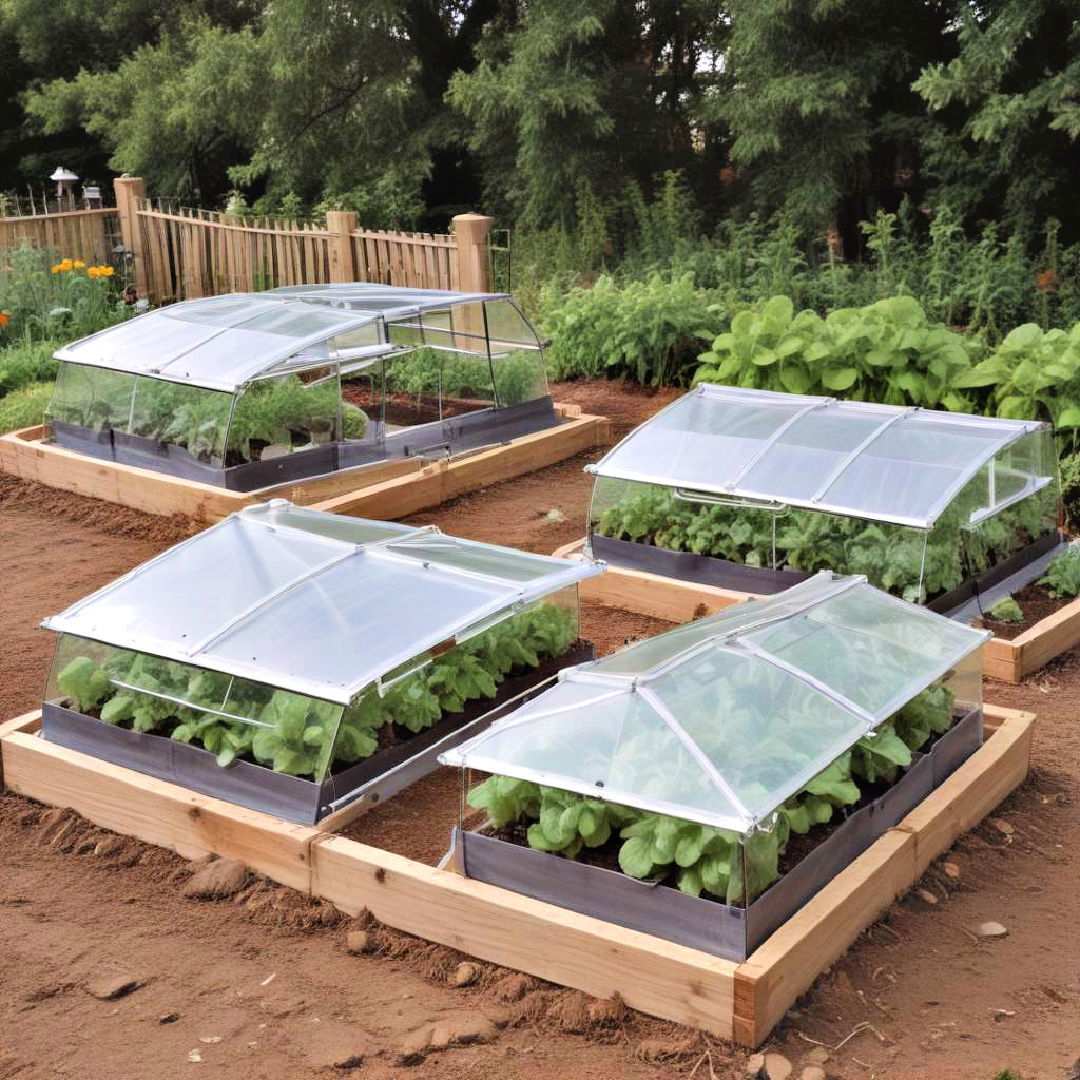
Cold frames are mini-greenhouses that harness the power of transparency to trap warmth and protect plants from harsh weather conditions. These frames extend the growing season, enabling gardeners to harden off seedlings and cultivate hardy vegetables like lettuce and spinach. Constructed from simple materials, cold frames are easy to build and maintain, making them an excellent addition to any garden.
19. Amended Bale Gardening
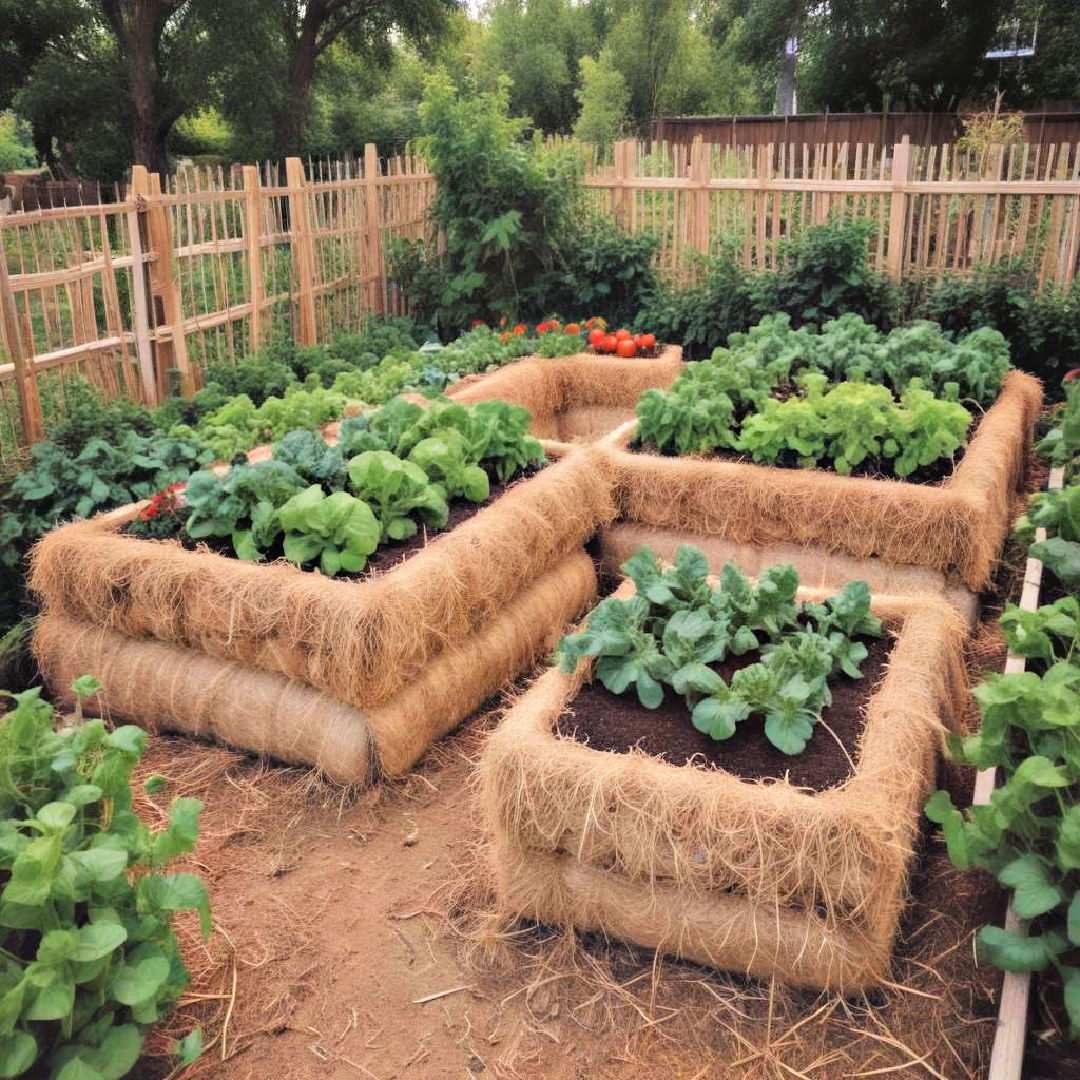
Straw bale gardens offer a unique and affordable method for cultivating a wide range of crops. By using straw bales as planting containers, gardeners create an environment that promotes decomposition and retains moisture and heat. Add compost and plant seedlings directly into the bales, which will decompose and nourish the plants. This eco-friendly method can grow everything from tomatoes to cucumbers, making it an attractive option for gardeners.
20. Self-Aware Systems
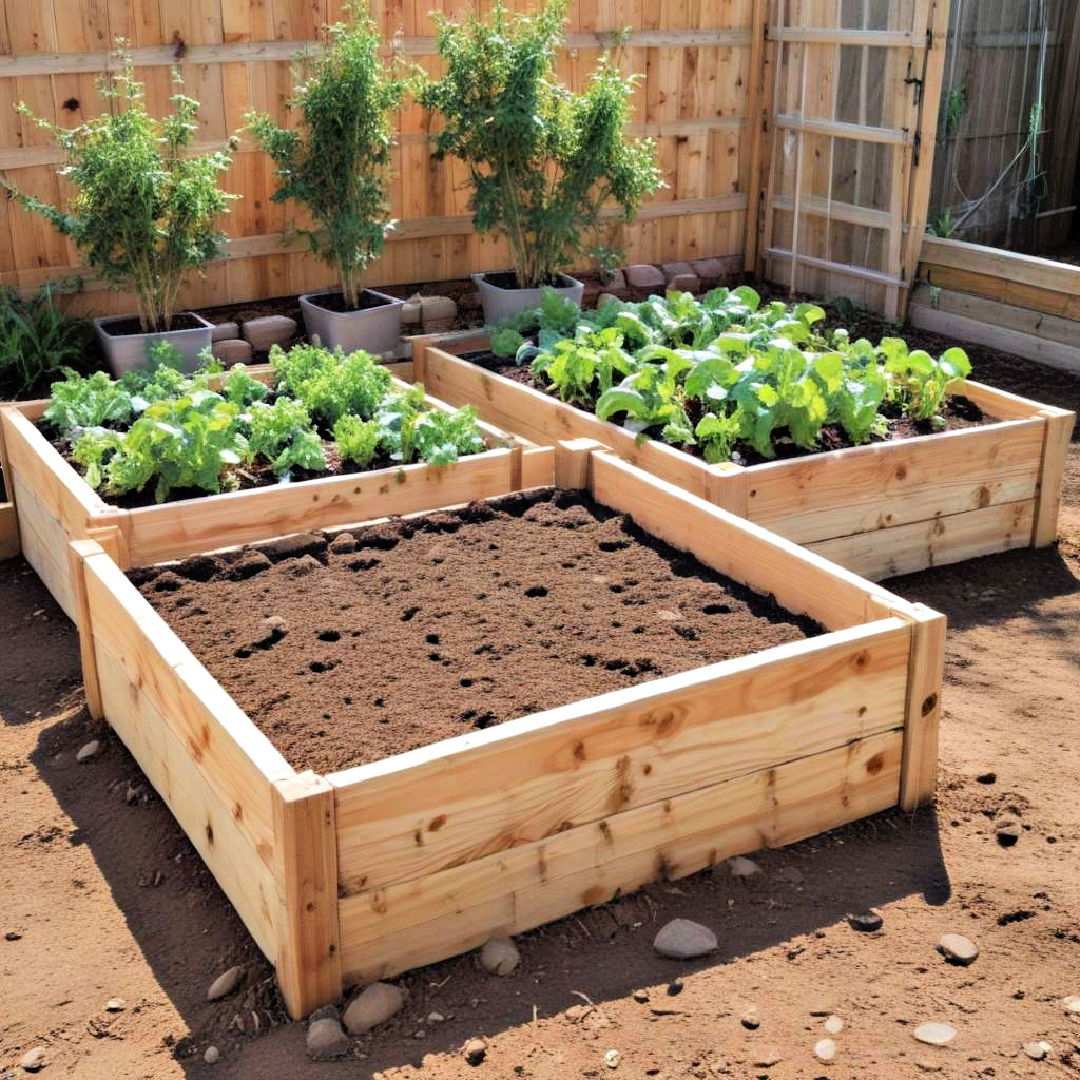
Wicking beds are self-watering gardens designed to maintain consistent soil moisture levels. Built with a reservoir beneath the soil, these beds utilize capillary action to draw water up to the plants. This system conserves water, reduces maintenance, and ensures optimal hydration for plants. Wicking beds are ideal for thirsty crops like tomatoes and peppers, making them a great addition to any garden.
21. Lunar Plantings
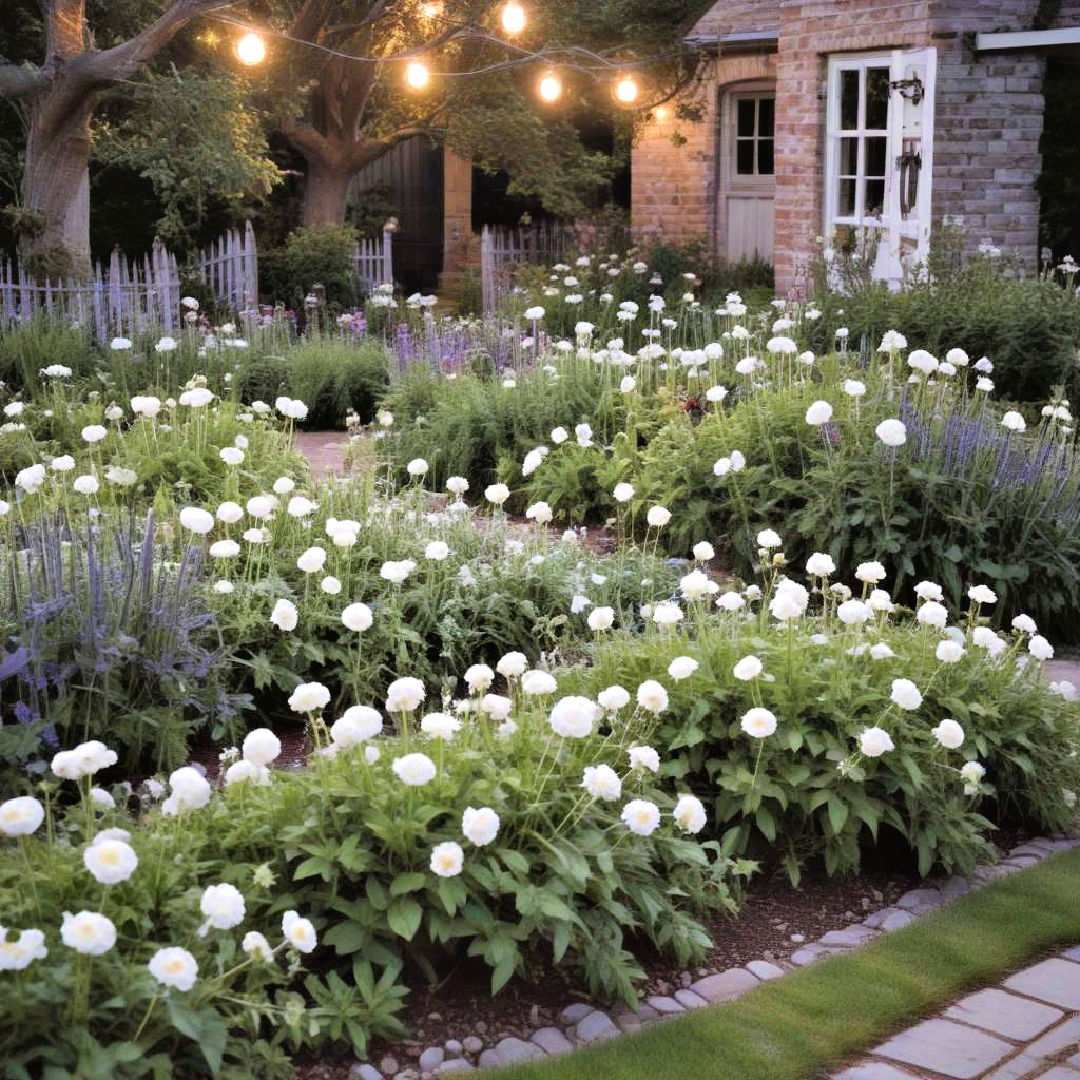
Moon gardens are designed to be enjoyed under the soft glow of the moonlight. Featuring plants with white flowers and silver foliage, these gardens provide a serene and soothing atmosphere for evening relaxation and reflection. Ideal plants include jasmine, evening primrose, and lamb’s ear, which bloom under the lunar light and create a peaceful ambiance, perfect for a moonlit stroll.
22. Succession Planting
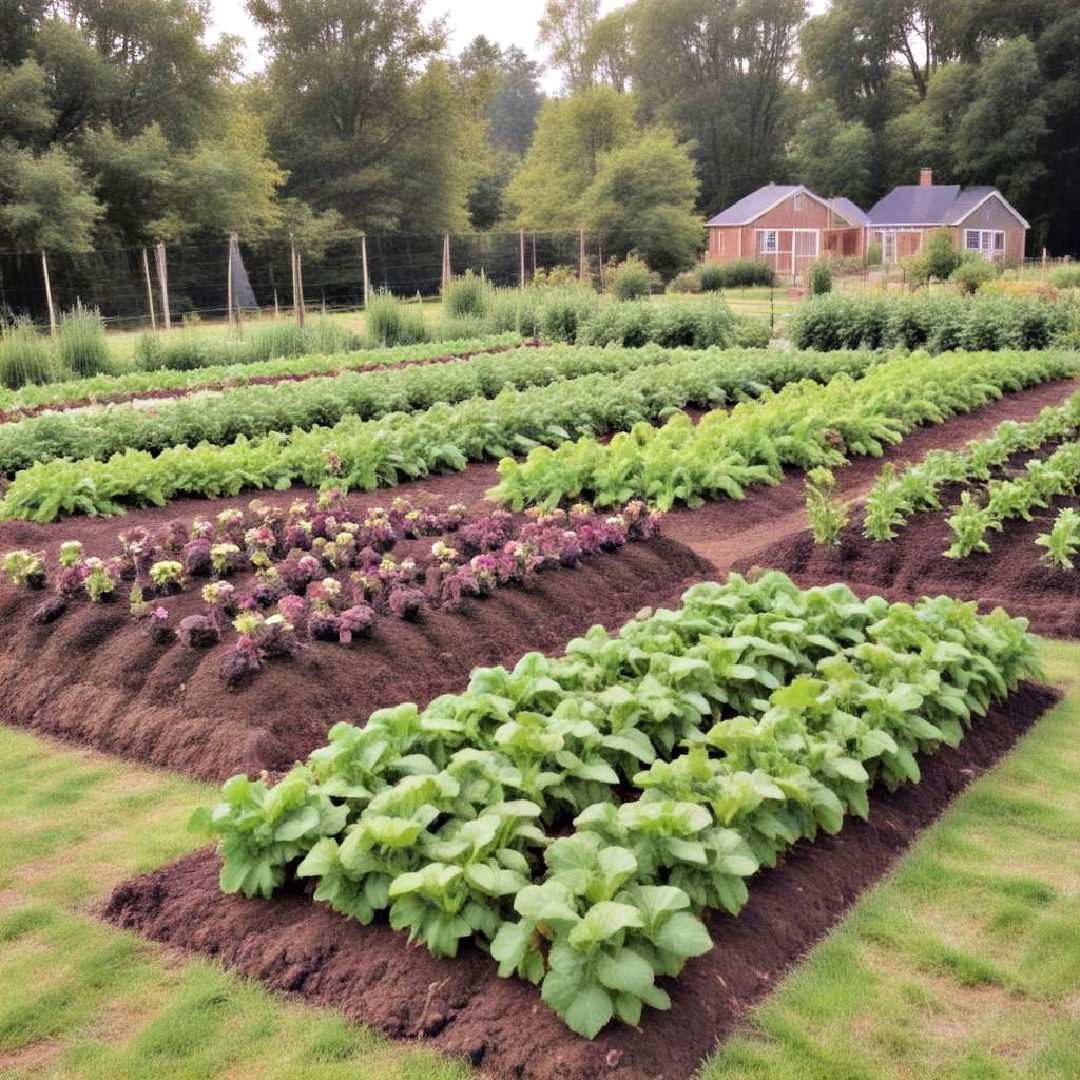
With a little creativity, you can turn an ordinary garden into a thriving oasis. Succession planting is a clever strategy that ensures a constant supply of fresh produce throughout the growing season. By planting new crops as soon as old ones are harvested, you can maximize your yield and enjoy a bountiful harvest. This approach is particularly effective for fast-growing crops like lettuce, radishes, and carrots, which continue to produce new growth even after being harvested.
23. Edible Landscaping
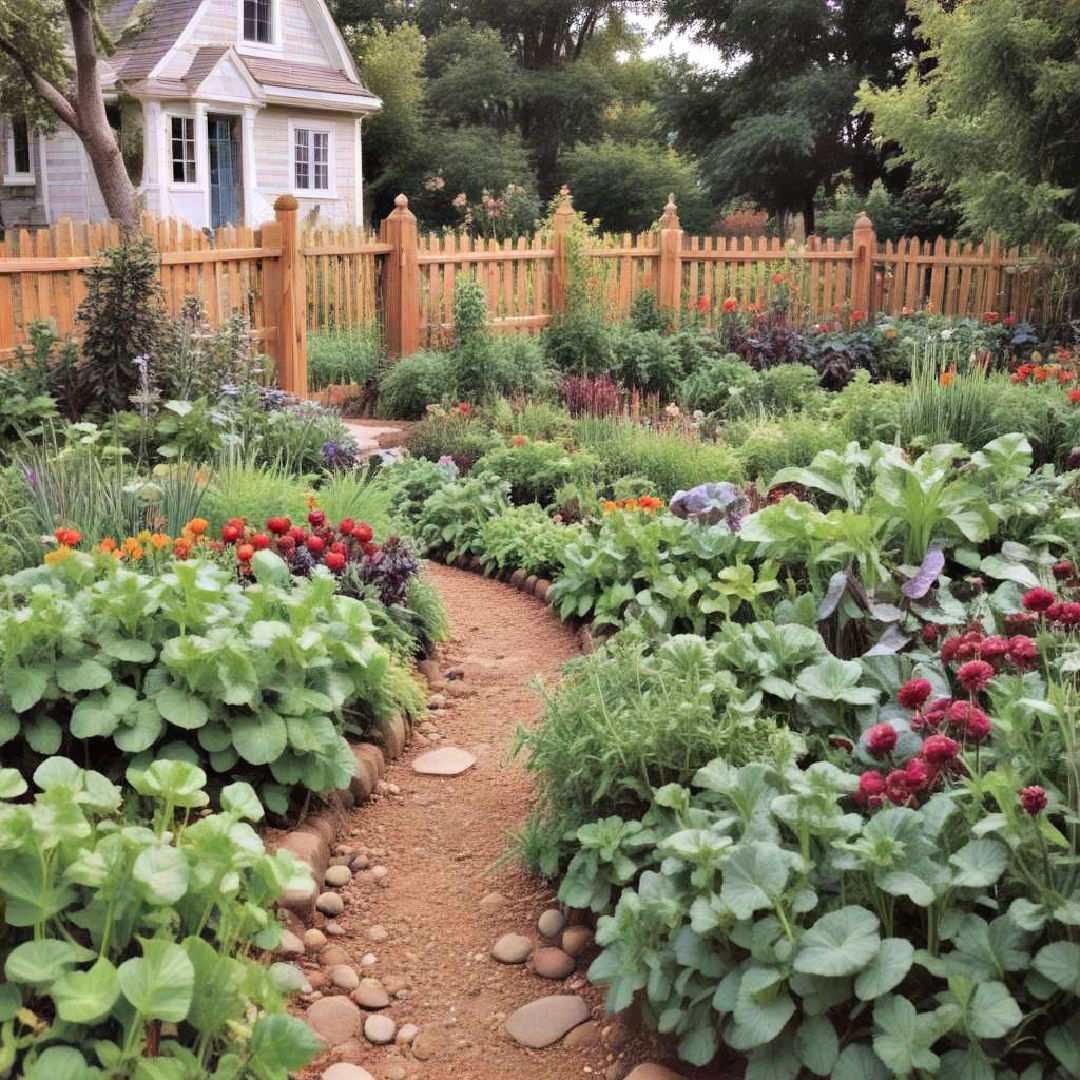
Edible landscaping is a unique approach to garden design that combines beauty and functionality. By incorporating ornamental plants with vegetables, fruits, and herbs, you can create a visually stunning garden that also provides a steady supply of fresh produce. Blueberry bushes, kale, and chives are just a few examples of plants that can add aesthetic appeal to your space while also filling your pantry.
24. Keyhole Gardens
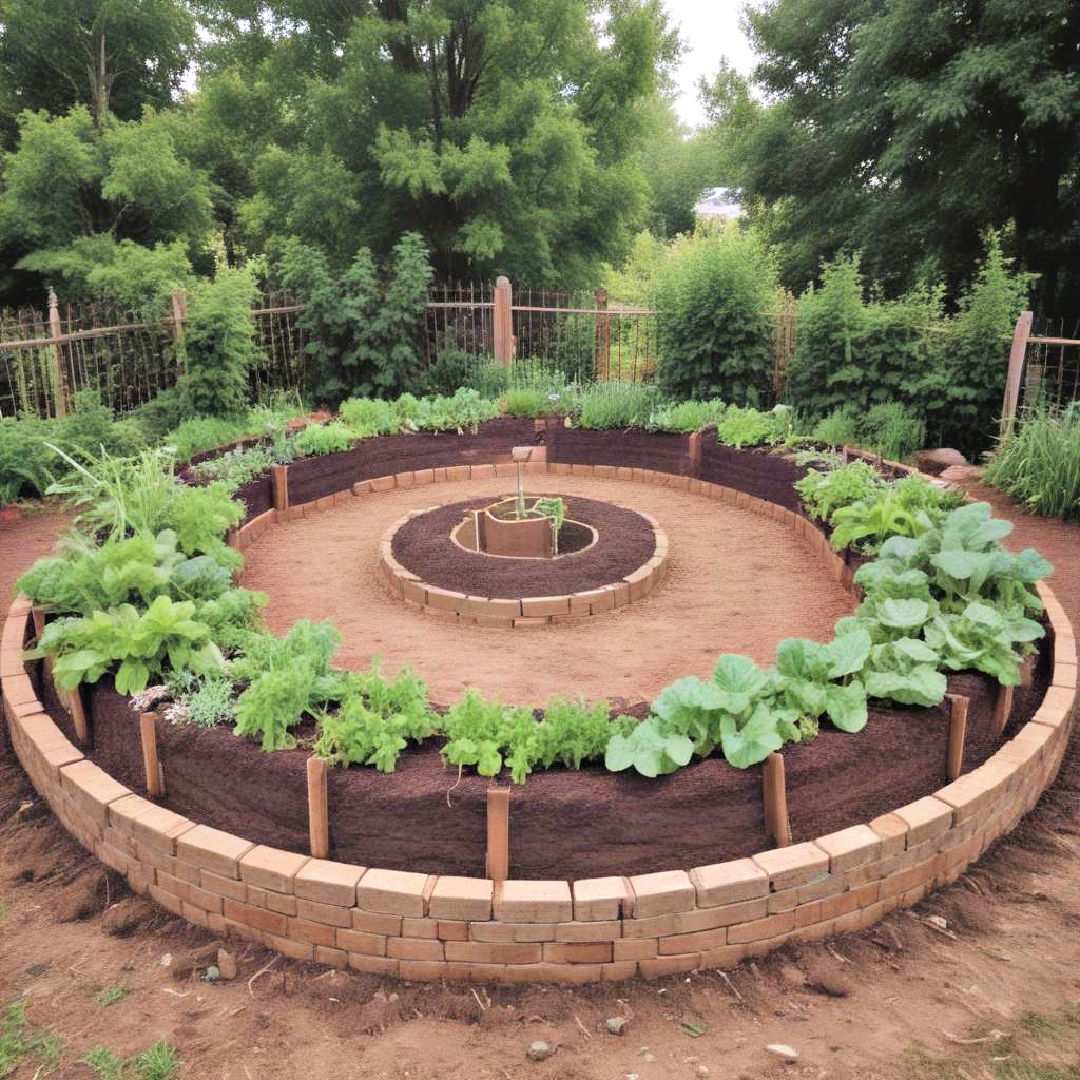
Keyhole gardens are innovative, circular raised beds with a composting basket at their center. By adding kitchen scraps to the basket, you’ll create a nutrient-rich environment that not only enriches the surrounding soil but also conserves water. These gardens are perfect for dry climates and a variety of vegetables, making them an attractive option for gardeners looking to reduce their environmental impact.
25. Spiral Gardens
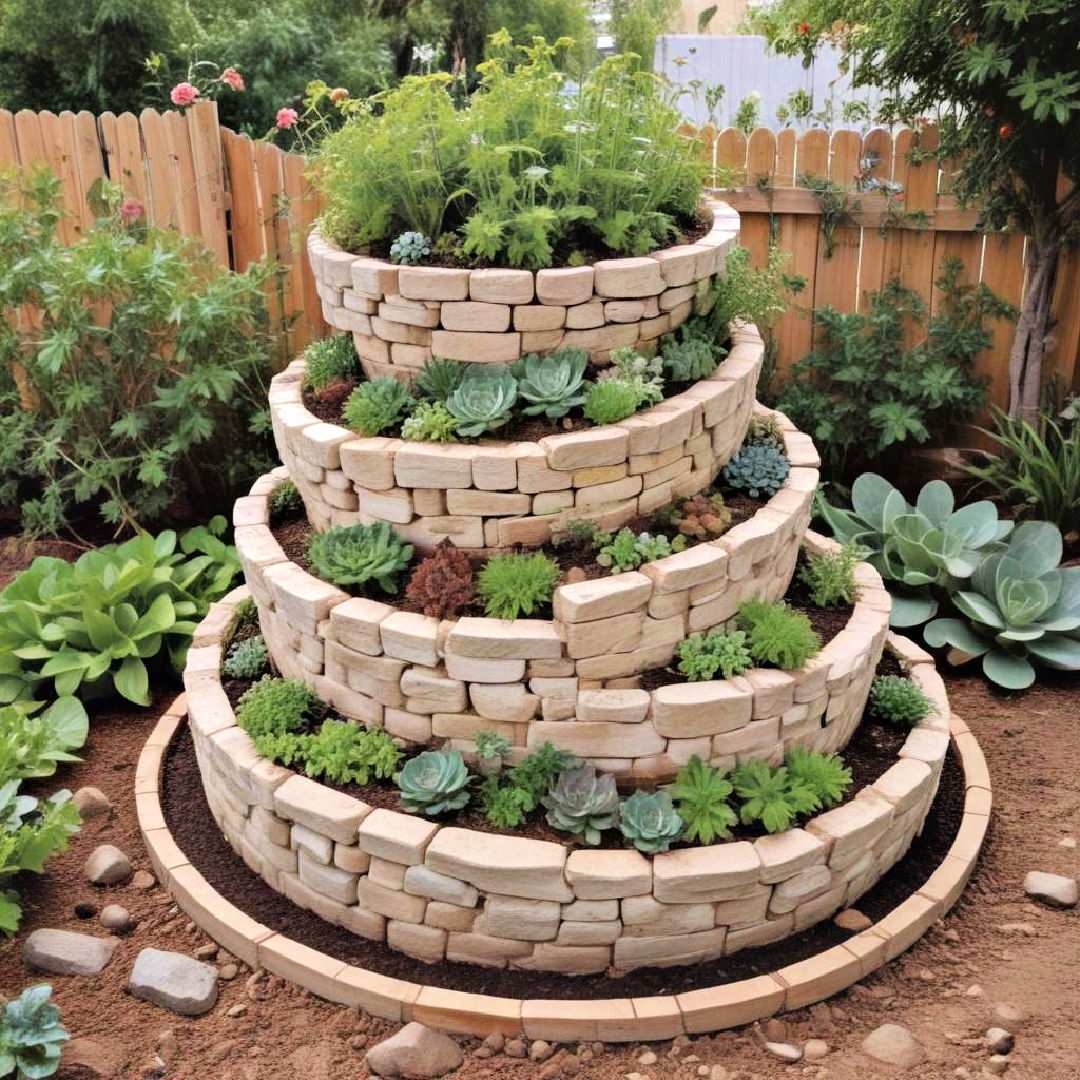
Spiral gardens are a modern take on traditional garden design, maximizing vertical space and creating a variety of microclimates. By stacking circular gardens, you can grow a diverse array of plants like herbs, succulents, and flowers, all while using minimal ground space. The design also allows for easy access to all plants, making it an ideal solution for yards with limited room.
26. Urban Rooftop Gardens
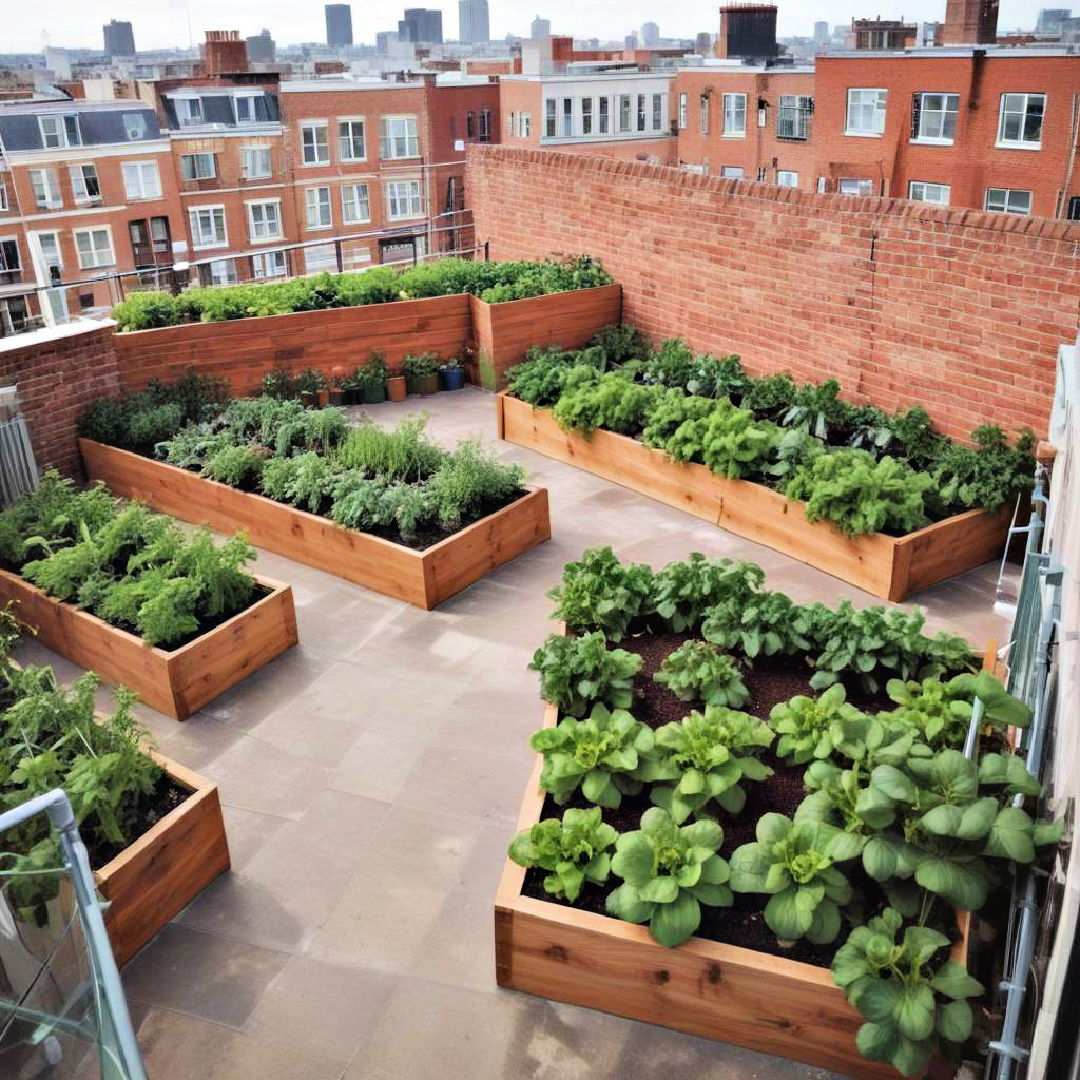
Urban rooftop gardens are a game-changer for city dwellers, transforming unused roof space into lush, productive gardens. Not only do they provide fresh produce, but they also combat urban heat islands and offer a peaceful retreat from the hustle and bustle of city life. Suitable plants include hardy grasses, succulents, and low-maintenance vegetables, making them a great option for busy gardeners.
27. Permaculture Gardens
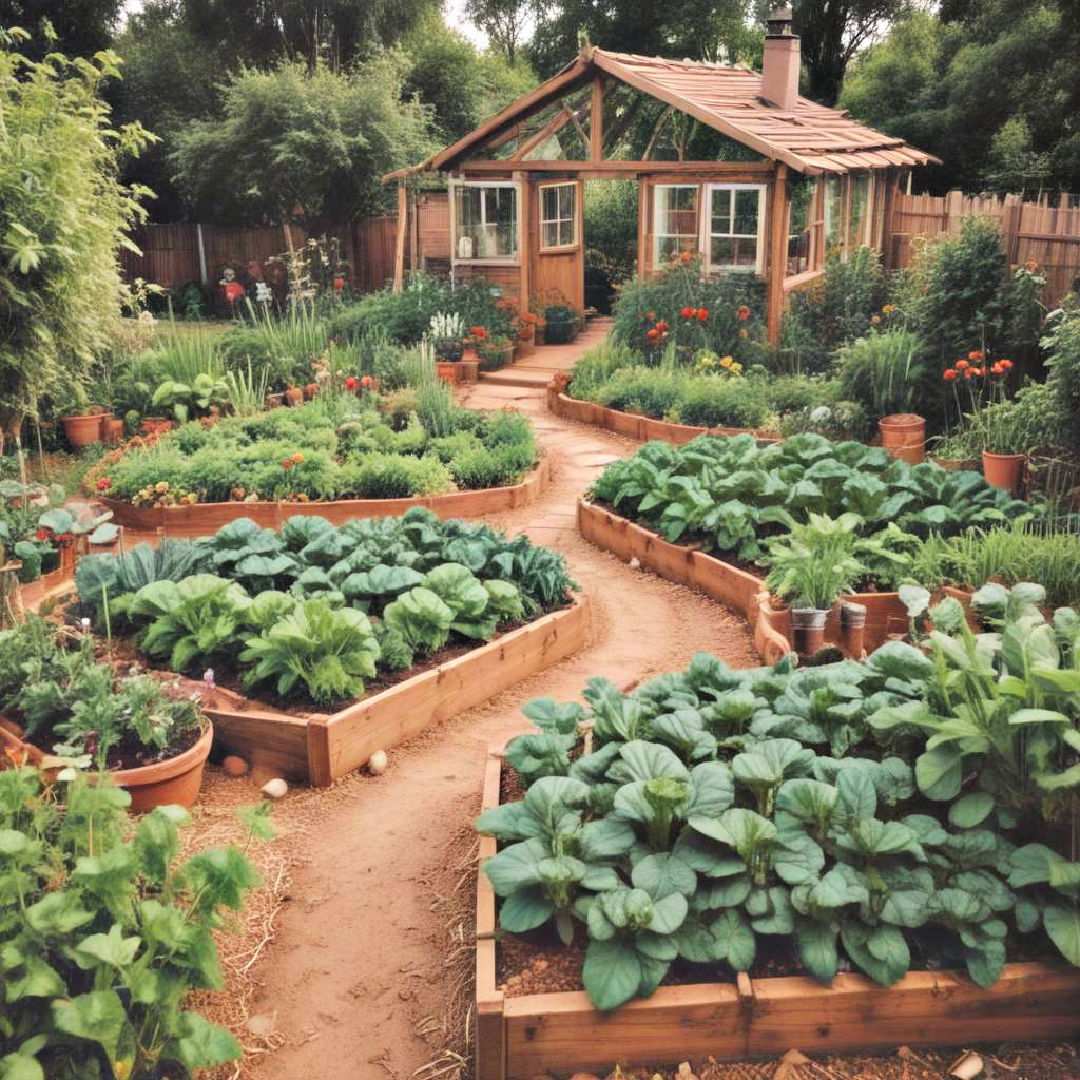
Permaculture gardens are designed to work in harmony with nature, focusing on sustainability and self-sufficiency. By incorporating companion planting, water conservation techniques, and plant diversity, you can create resilient ecosystems that thrive with minimal maintenance. Perfect for those looking to reduce their environmental footprint, permaculture gardens can grow a wide array of crops, making them an attractive option for eco-conscious gardeners.
28. Self-Watering Containers
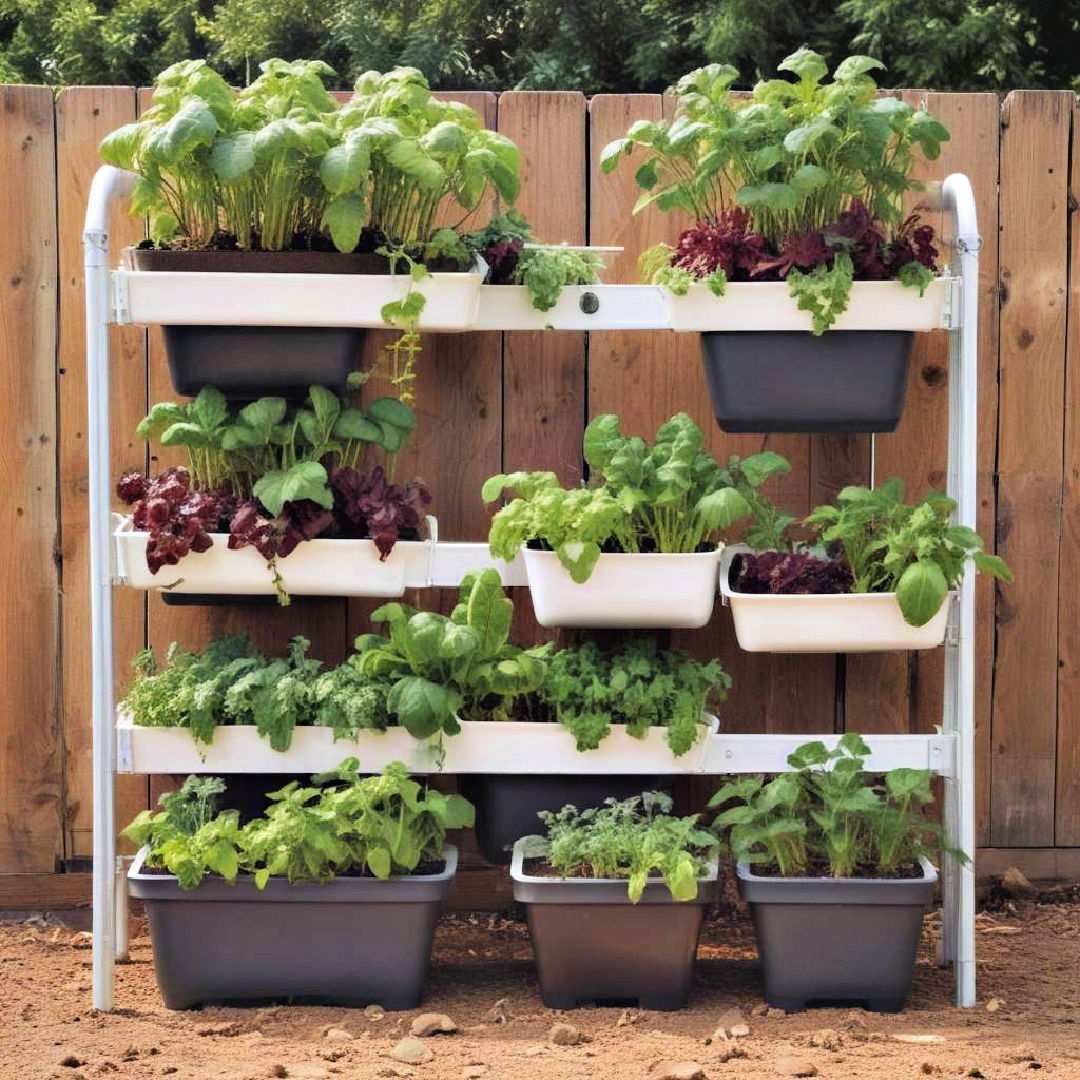
Self-watering containers are a great solution for busy gardeners, featuring a water reservoir at the bottom that allows plants to draw up moisture as needed. This innovative design reduces the need for frequent watering and helps prevent over- or under-watering, making it perfect for herbs, flowers, and small vegetables. With self-watering containers, you can enjoy a thriving garden without the hassle of constant maintenance.
29. Row Covers
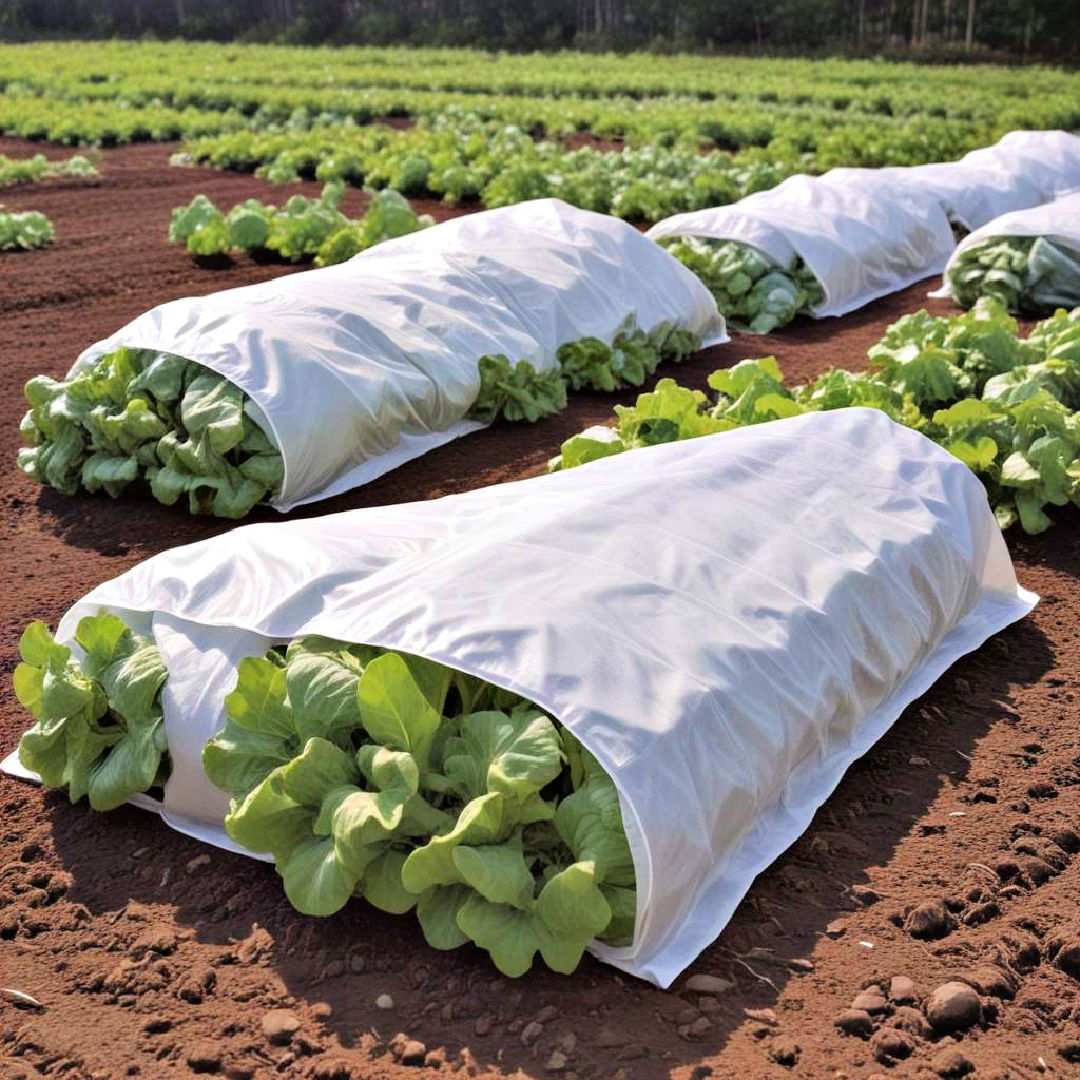
Row covers are a simple yet effective way to protect your plants from pests, frost, and extreme weather. By placing lightweight fabrics over your plants, you can create a warm microclimate that extends the growing season and improves yield. Ideal for vegetables like lettuce and cabbage, row covers are easy to install and remove as needed, making them a practical and stylish addition to any outdoor vegetable garden.
30. Optimizing Growing Space with Square Foot Gardens
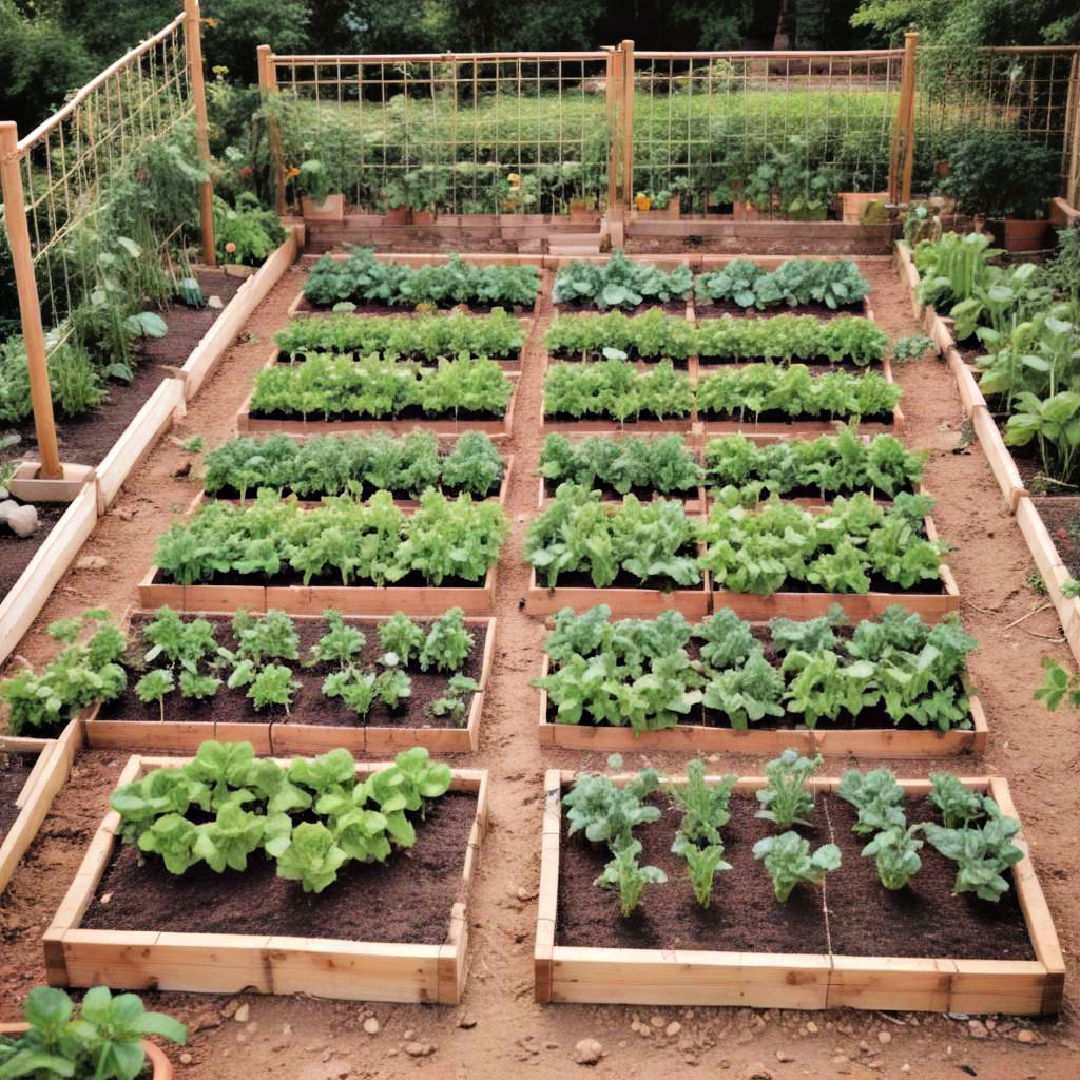
By partitioning a larger growing area into compact, 1-foot-square sections, square foot gardens unlock a more efficient and productive way to cultivate a diverse range of crops. This space-saving technique minimizes the prevalence of weeds, thereby maximizing the overall yield of your garden. Suitable for urban gardeners and those seeking a high-production garden, this method offers a flexible approach to cultivating a variety of crops within a designated area.

Meet Tomas Clayton, a seasoned plant gardener who has been passionate about horticulture since he was a child. Tomas John developed a love for the natural world and a strong appreciation for the beauty of plants while growing up on a farm.