
1. The Nuances of Hardware Finishes: Satin Nickel and Brushed Nickel
When choosing hardware finishes for your home, you’re often faced with a decision between satin nickel and brushed nickel. Both of these popular options are frequently used in kitchens, bathrooms, and other living spaces, but they possess distinct characteristics that can significantly impact the overall aesthetic of your home. This comprehensive guide will delve into the details of satin nickel and brushed nickel, providing you with the knowledge to make an informed decision. If you’re in a hurry, you can quickly compare the two finishes with our chart below, or dive deeper into the comparison for a more in-depth understanding.
2. Understanding the Basics of Satin Nickel and Brushed Nickel
Satin nickel and brushed nickel are two distinct metal finishes commonly used in home decor, including faucets, door handles, light fixtures, and cabinet hardware. At first glance, they may appear similar, but they bring unique characteristics that make them suitable for different styles and applications. Satin nickel boasts a smooth, non-reflective finish with a soft luster, often compared to a matte version of polished nickel. It’s a versatile, cost-effective option that works well with modern interiors, especially for those seeking a refined and timeless look. In contrast, brushed nickel features a slightly textured, matte finish created by physically brushing the metal, lending a handcrafted quality perfect for rustic or industrial styles. By exploring the characteristics, pros, and cons of these two finishes, you’ll be better equipped to determine which one is right for your home.
3. The Characteristics of Satin Nickel: A Popular Choice for Home Decor
Satin nickel is a metal finish that offers a smooth, non-reflective appearance with a soft, warm undertone. Its creation involves applying a chemical solution to the polished metal surface, which reacts to produce a low-gloss, satin-like appearance. Interior designers often recommend satin nickel for its refined look, which is less likely to show fingerprints or smudges, making it ideal for high-traffic areas like kitchen wall decor ideas and bathrooms. Satin nickel is a favorite among those who prefer modern and contemporary decor styles due to its understated elegance. It blends seamlessly with various color schemes and materials, making it a popular choice for faucets, light fixtures, door knobs, and cabinet hardware. The warm silver tone of satin nickel adds a touch of sophistication to any room, making it a versatile option for homeowners seeking a timeless look.
Common Types of Satin Nickel Finishes
PVD satin nickel stands out for its exceptional durability and resistance to corrosion, thanks to the Physical Vapor Deposition process that coats the metal with a long-lasting layer. This finish is perfect for high-traffic areas or environments where a scratch-resistant surface is essential. Another option is the antique satin nickel finish, which imparts a worn, aged appearance that adds a touch of elegance to any space. This vintage look is ideal for homeowners seeking to create a cozy, classic atmosphere.
What is Brushed Nickel?
Brushed nickel is a finish that achieves a textured look by employing a wire brush to gently abrade the metal surface. This treatment leaves a distinctive, matte finish with visible brush strokes, creating a uniquely handcrafted appearance. One of the significant advantages of brushed nickel is its ability to hide minor imperfections, such as fingerprints and scratches, thanks to its textured surface. This feature makes brushed nickel a practical choice for areas where frequent use is anticipated.
Common Types of Brushed Nickel Finishes
For those seeking a rustic, antiqued look, the oil-rubbed bronze finish is an excellent option. This finish is achieved by applying a dark, oil-based coating to the metal, giving it an aged, weathered appearance that’s perfect for spaces with a vintage or distressed aesthetic. In contrast, the matte brushed nickel finish maintains a smooth, matte texture without any additional treatments, resulting in a subtle, non-reflective look. Lastly, the polished brushed nickel finish adds a touch of modernity to this finish, thanks to its slightly shiny surface.
Comparing Satin Nickel and Brushed Nickel
To make an informed decision about the perfect finish for your home, it’s essential to understand the key differences between satin nickel and brushed nickel.
Appearance
The primary distinction between satin nickel and brushed nickel lies in their visual characteristics. Satin nickel boasts a soft, velvety texture with a slightly glossy finish, making it more akin to polished nickel. This finish has a warm, inviting tone that blends seamlessly with a variety of decor styles, particularly in modern and contemporary settings. In contrast, brushed nickel features a noticeable texture with visible brush strokes, offering a more rustic and handcrafted appearance. Its duller sheen also lends itself to concealing minor imperfections, making it a popular choice for areas where durability is crucial.
Durability
Both satin and brushed nickel finishes boast exceptional corrosion and tarnish resistance. Brushed nickel edges out its counterpart in terms of concealing wear and tear, thanks to its distinctive textured finish. The subtle brush strokes effectively mask minor imperfections, rendering it an ideal choice for high-traffic areas like kitchens and bathrooms, where durability meets aesthetics.
Satin nickel is, in fact, a durable option, albeit with a slightly higher visibility to scratches and smudges due to its smoother surface. Nonetheless, proper maintenance can ensure that both finishes remain long-lasting and retain their luster.
Maintenance
Satin nickel stands out in the realm of maintenance, thanks to its sleek, smooth finish. This sleekness allows for effortless cleaning with a damp cloth and mild soap, resulting in a polished appearance with minimal effort. In contrast, brushed nickel, while still relatively low-maintenance, demands slightly more attention due to its textured surface. To maintain its appearance, cleaning should be done in the direction of the brush strokes, and occasional polishing may be necessary to prevent grime buildup.
Cost
Generally, satin nickel commands a higher price point compared to brushed nickel. The increased cost is primarily attributed to the additional processes involved in achieving the smooth, matte finish. Satin nickel is often viewed as a premium finish, whereas brushed nickel offers a stylish look at a lower cost. Although the price difference may be minimal for smaller fixtures, it can become substantial when considering multiple installations.
When to Choose Satin Nickel
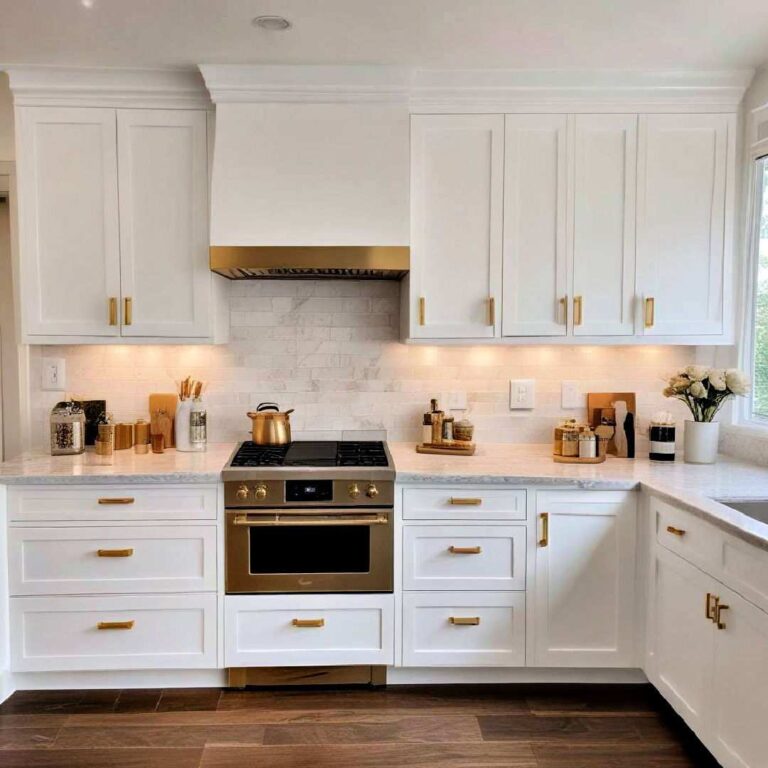
Satin nickel presents an attractive option for those seeking a clean, modern aesthetic, such as that of white kitchen cabinets paired with gold hardware. It works particularly well in contemporary-designed bathrooms and kitchens. Its ability to resist fingerprints makes it an appealing choice for high-touch areas. Satin nickel also displays versatility, seamlessly integrating into both modern and traditional settings without overpowering other design elements.
For those desiring a softer shine without the mirror-like reflection of polished finishes, satin nickel is an ideal choice. It pairs harmoniously with a variety of materials, including marble, quartz, and glass, making it a great selection for diverse design palettes.
When to Choose Brushed Nickel
Brushed nickel is an excellent option for spaces with a rustic, farmhouse, or industrial aesthetic. Its textured surface adds visual depth and character, making it a standout choice for those looking to create a warm and inviting atmosphere. The brushed finish helps conceal scratches and wear, which is particularly beneficial in busy households or areas exposed to heavy use.
Brushed nickel fixtures are well-suited for kitchens and bathrooms where durability is essential. For those seeking a finish that brings warmth and a handcrafted feel to their space, brushed nickel is the perfect choice.
Harmonizing Satin Nickel and Brushed Nickel Finishes
When it comes to combining distinct finishes in a single space, satin nickel and brushed nickel can create a visually striking contrast. This aesthetic is reminiscent of black and white entryways that utilize contrasting tones to achieve balance. For instance, pairing satin nickel faucets with brushed nickel cabinet handles can produce a captivating yet cohesive look that adds depth and variety.
Interior design experts often advocate for mixing metallic finishes to lend sophistication to a room. Combining satin nickel with brass or black hardware can create a striking contrast that elevates the overall design. By incorporating multiple finishes, homeowners can avoid a monotonous appearance and instead opt for a more dynamic and engaging look.
Insightful Perspectives from Experts
Interior designers and product specialists offer valuable insights when choosing between satin and brushed nickel. For example, Hallie Milstein recommends satin nickel for modern and traditional spaces due to its timeless versatility. On the other hand, Bambi A’Lynn Bratton suggests that brushed nickel is perfect for creating a rustic, handcrafted look. Bratton also emphasizes the importance of mixing finishes to prevent a stark or sterile appearance, suggesting combinations like satin nickel plumbing fixtures paired with brass or black accents. Experts also agree that both finishes are low-maintenance and durable, but the decision ultimately depends on the desired aesthetic and the room’s function.
Ultimately, the choice between satin nickel and brushed nickel boils down to the desired aesthetic and the room’s function. Satin nickel is generally recommended for spaces where a clean, sophisticated look is preferred, while brushed nickel is ideal for adding warmth and character.
Key Considerations for Satin Nickel and Brushed Nickel
Satin Nickel: Characterized by a smooth, soft luster with a non-reflective finish, making it ideal for modern and contemporary spaces. It is also easier to clean and slightly more expensive.
Brushed Nickel: Features a textured, matte finish that conceals fingerprints and wear, making it perfect for rustic or industrial aesthetics. It is more affordable and great for high-use areas.
Durability: Both finishes are durable, but brushed nickel’s texture helps hide wear better.
Maintenance: Satin nickel is easier to clean due to its smooth surface, whereas brushed nickel requires a bit more care, especially cleaning along the brush marks.
Cost: Satin nickel tends to be more expensive due to the additional finishing processes.
Mixing Finishes: Combining satin and brushed nickel can add depth and variety, preventing a uniform look. This approach allows homeowners to create a unique and engaging design.

Meet Tomas Clayton, a seasoned plant gardener who has been passionate about horticulture since he was a child. Tomas John developed a love for the natural world and a strong appreciation for the beauty of plants while growing up on a farm.